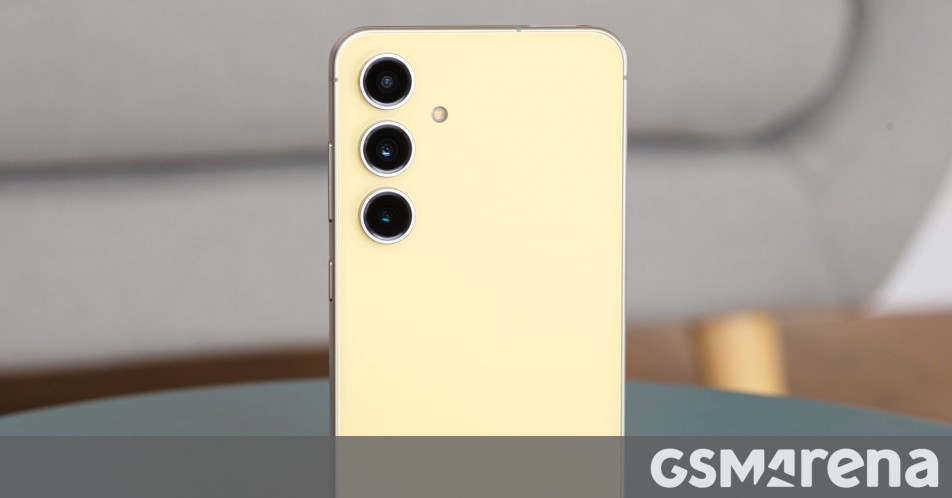
Samsung’s One UI 8.5 stable update is now rolling out in the US for the Galaxy S24 series, Galaxy Z Fold6, and Galaxy Z Flip6, with firmware versions including S928USQU5DZDR, S721USQUBDZDP, F956USQU3DZDQ, and F741USQU3DZDP. The rollout is currently limited to carrier-locked US CSC devices, while wider availability is expected soon. This is routine product software news with limited expected market impact.
This is less a product headline than a timing signal: Samsung is using staged US carrier rollouts to force a refresh of its installed base without waiting for a new hardware cycle. The immediate economic winner is not the handset OEM alone but the carrier ecosystem, because locked-device users are the most captive audience for warranty extensions, accessory attach, and financing upgrades. In the near term, the update also functions as a retention tool against Apple’s ecosystem gravity by reducing the perceived feature gap on older Galaxy flagships.
The second-order effect is that software polish can prolong demand for premium Android devices by 1-2 quarters, which tends to help component suppliers with exposure to high-end Android mix more than pure handset branding suggests. The contrarian angle is that a stable update often signals Samsung is trying to stabilize user experience ahead of a larger software/hardware transition, implying the market may be underestimating the need for a clean launch on the next flagship and any associated QA spending. If rollout issues emerge across carrier-locked US devices, the downside is reputational rather than direct revenue, but it can still depress upgrade conversion in the next 90 days.
For competitors, the meaningful risk is not immediate share loss but feature normalization: when Samsung closes interface gaps through software, it raises the bar for differentiation in mid-cycle iPhone and Pixel comparisons. Over a 3-6 month window, that can blunt Android churn into Apple in the premium segment if users feel their existing device remains current. The main reversal catalyst would be negative user feedback, delayed unlocked-device rollout, or evidence that the update introduces battery/performance regressions, which would turn a retention catalyst into an upgrade deferral headwind.
AI-powered research, real-time alerts, and portfolio analytics for institutional investors.
Request DemoOverall Sentiment
neutral
Sentiment Score
0.05
