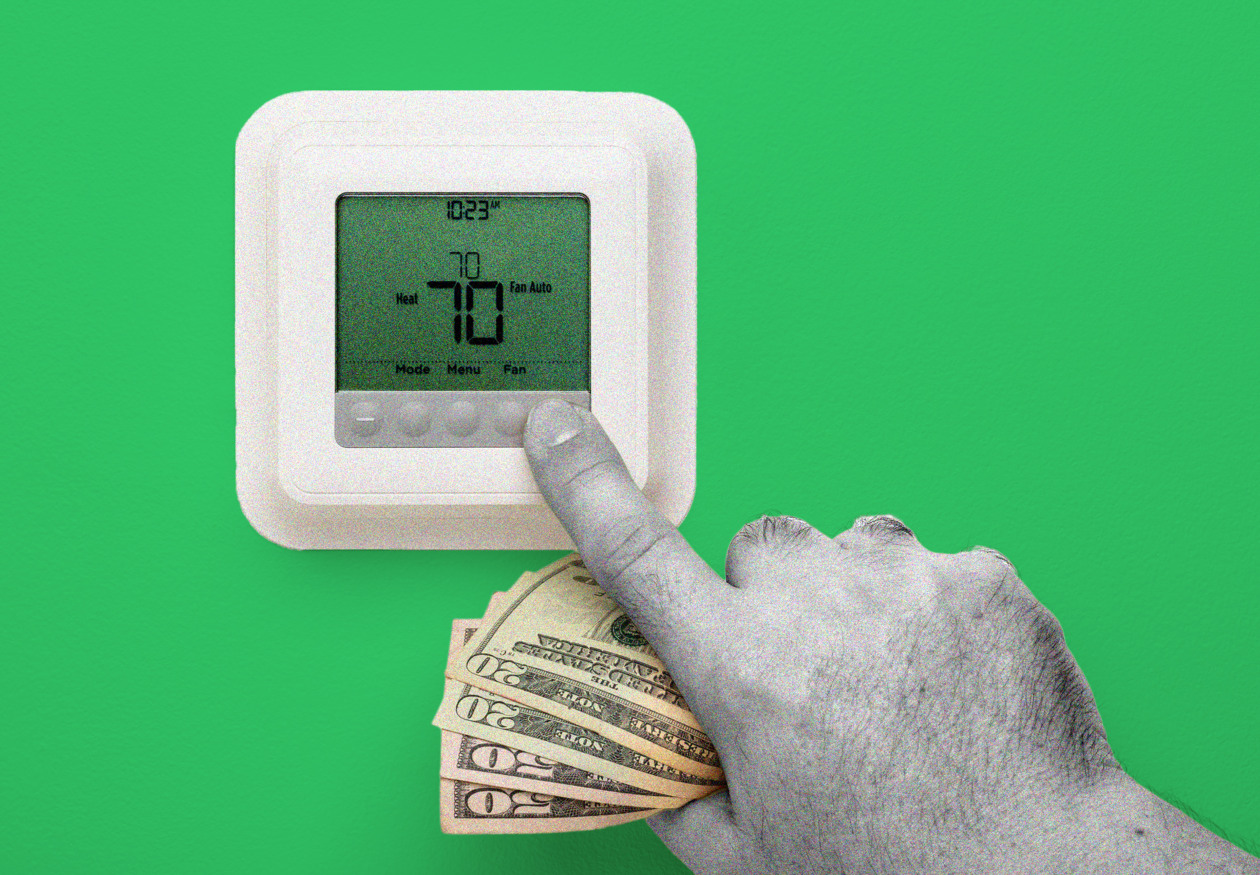
U.S. households are expected to pay an average of $792 for electricity this summer, up 10.5% from last year as a dangerous heat wave drives cooling demand. The article frames the cost increase as a budgetary burden for consumers rather than a market-moving event, with advice focused on lowering household energy bills.
This is a near-term margin transfer from households to utilities and retailers with exposure to summer discretionary spend. The first-order effect is higher electric bills, but the second-order effect is reduced willingness to spend on non-essentials during the peak shopping window, especially for lower- and middle-income consumers who have less balance-sheet flexibility. That creates a subtle headwind for broad retail names while favoring energy-efficiency products, replacement parts, and “cost-saving” home improvement purchases that can be justified as quasi-necessities.
The market is likely underpricing how weather-driven demand shifts can reallocate spend rather than simply destroy it. Consumers may cut back on apparel, restaurants, and travel, but still spend on fans, insulation, window treatments, smart thermostats, portable AC units, and maintenance services; the winners are less obvious than the losers. This also tends to compress the timing of demand into the weeks ahead of the heat event, creating a short-lived but sharp pull-forward for specialty retailers and HVAC service channels.
From an energy-market perspective, the heat wave is supportive for power prices and peak-load generators, but only if duration persists beyond a few days. If the event is brief, the trade is mostly a regional volatility spike; if it lasts multiple weeks, capacity-constrained grids can see outsized price dislocations and forced demand response, which benefits generation assets with merchant exposure and hurts industrial users with interruptible loads. The contrarian risk is that consensus may overestimate the persistence of the demand shock: once the weather normalizes, some of the bill pain will be delayed into later statements, muting the immediate hit to spending and creating a delayed rather than immediate consumer drag.
AI-powered research, real-time alerts, and portfolio analytics for institutional investors.
Overall Sentiment
mildly negative
Sentiment Score
-0.35
