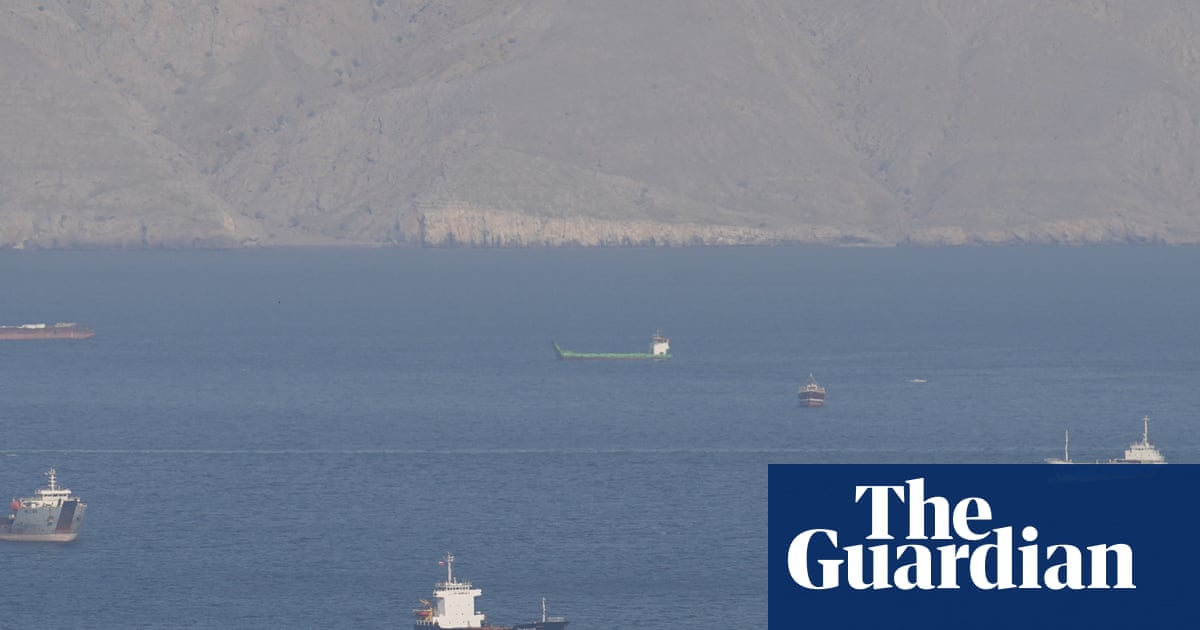
Iran has reimposed restrictions on the Strait of Hormuz after the US said its blockade of Iranian ports would remain, and a UK maritime agency reported IRGC gunboats fired on a tanker 20 nautical miles northeast of Oman. The strait carries about 20% of global oil and liquefied natural gas flows, so renewed disruption raises the risk of a sharp energy-price spike and broader shipping volatility. The situation remains highly fluid as US-Iran peace talks are still pending and the temporary ceasefire may expire on Wednesday.
The market is still underpricing how asymmetric a credible Hormuz disruption is for the physical system versus the headline move in front-end energy. Even a short-lived tightening can force refiners, shippers, and LNG buyers into precautionary behavior: higher war-risk premiums, rerouting, and inventory hoarding that can keep spot differentials elevated well after the shooting stops. The first-order winner is upstream and integrated energy, but the second-order winner is anything with flexible non-Middle East supply and spare transport capacity; the losers are highly levered import-dependent industrials, airlines, chemicals, and European/Japan-heavy manufacturers that cannot pass through feedstock costs quickly.
The most important catalyst window is days, not months. If the Strait remains intermittently constrained, the real trade is not just higher Brent but a widening of Brent-WTI and regional LNG basis spreads, plus a squeeze in tanker rates and marine insurance. That argues for long volatility rather than outright directional risk: the headline can reverse on diplomacy, but physical congestion and restocking can persist for several weeks even after a ceasefire, creating a mismatch between political news flow and supply-chain reality.
The contrarian read is that consensus may be too focused on a binary closure/opening narrative, when the base case is probably persistent friction rather than a clean blockade. That means the biggest upside in energy may already be partly discounted, while the underowned opportunity sits in assets that profit from dislocation without needing a permanent shutdown: shipping, midstream bottlenecks, and exporters with pricing power. Conversely, any resolution would likely crush the geopolitical premium quickly, so chasing spot crude after spikes is lower quality than owning convexity around it.
AI-powered research, real-time alerts, and portfolio analytics for institutional investors.
Request TrialOverall Sentiment
strongly negative
Sentiment Score
-0.70
