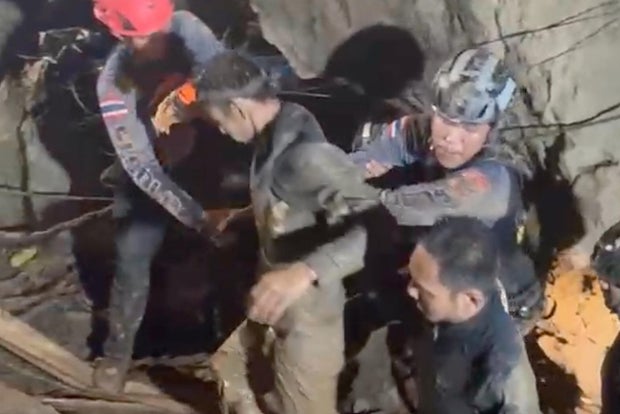
One Laos gold miner has been rescued after more than a week trapped in a flooded cave, while two of seven artisanal miners remain missing. Monsoon flooding has made the cave extremely dangerous, and rescue efforts to pump out water have failed after five days. The situation is a humanitarian emergency tied to severe weather and hazardous mining conditions, but it is unlikely to have meaningful market impact.
This is a localized disaster with limited direct market beta, but the second-order read is that it reinforces the asymmetry in Southeast Asian hazard risk: monsoon-driven disruptions tend to be binary, arrive fast, and create outsized operating risk for small-cap extractive names with poor infrastructure and weak insurance coverage. The immediate equity impact is not on a listed Laos miner so much as on sentiment toward frontier-market resource operations, where one adverse weather event can shut output, freeze logistics, and elevate remediation/liability costs for weeks.
The more investable angle is the creeping repricing of weather vulnerability across commodities supply chains. In markets where production is already low-margin, an event like this can trigger a temporary bid for larger, better-capitalized producers with diversified jurisdictions versus single-site operators exposed to monsoon, flooding, and access bottlenecks. Over a 1-3 month window, the cleaner trade is not “long disaster,” but long resilience: names with self-insured balance sheets, redundant transport, and established emergency response plans.
Contrarian risk: the market often overweights the headline and underweights the actual supply effect. Because this appears to be a small artisanal operation, the direct output shock is likely immaterial versus broader gold pricing; any knee-jerk rally in gold miners is likely to fade unless the weather pattern broadens into a regional production issue. The real catalyst to watch is whether rescue complexity becomes a regulatory or permitting tightening story for informal mining in Laos and neighboring jurisdictions, which would matter more for local operators than for global bullion producers.
From a portfolio construction perspective, the right takeaway is to keep this in the bucket of tail-risk monitoring rather than trade conviction. If monsoon intensity persists and rescue/production interruptions recur across the region, the setup can morph into a broader theme around infrastructure hardening, remote-site automation, and insurers re-pricing catastrophe exposure in emerging markets.
AI-powered research, real-time alerts, and portfolio analytics for institutional investors.
Request DemoOverall Sentiment
moderately negative
Sentiment Score
-0.45
