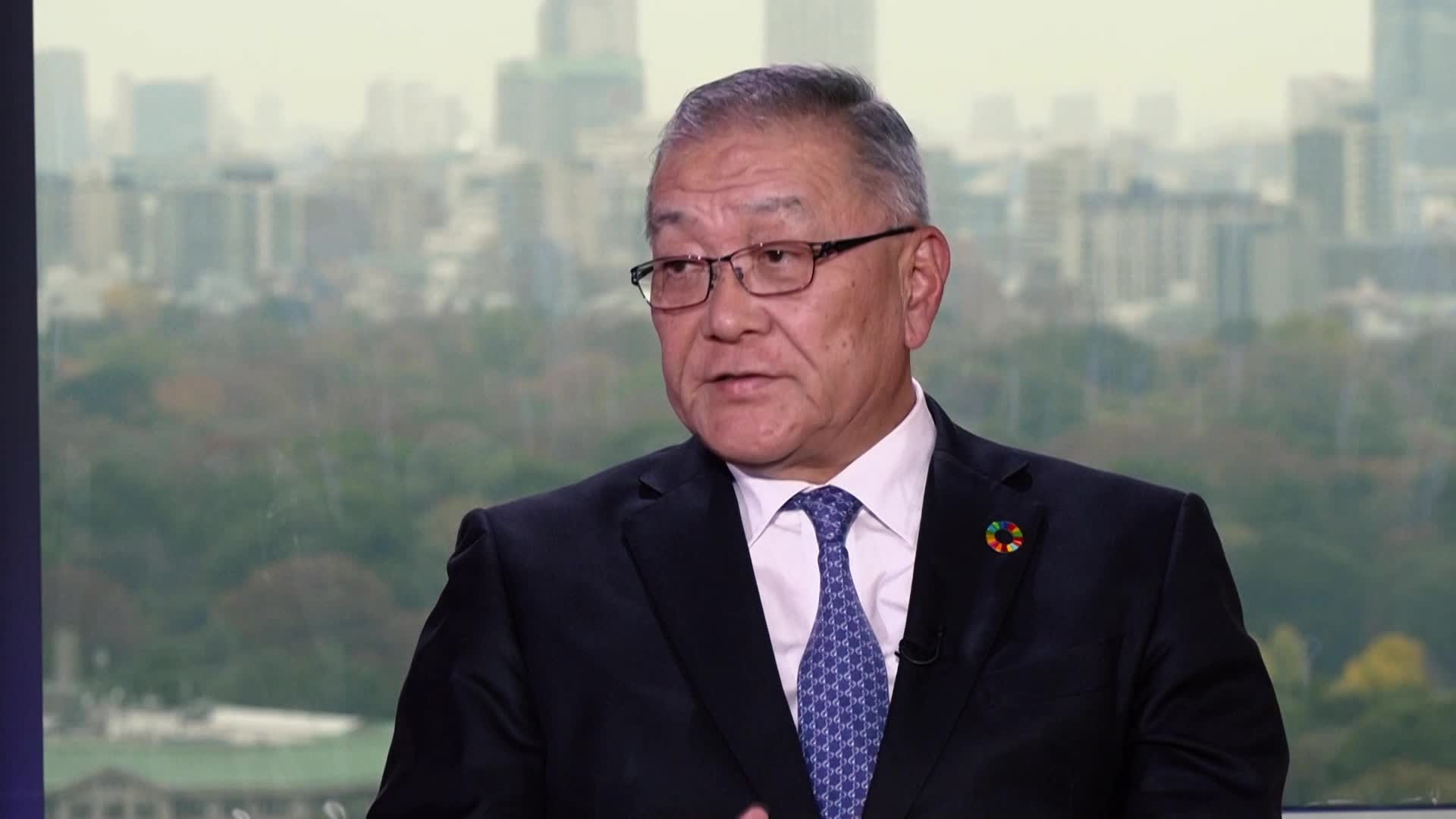
Osaka Gas expects rising power demand driven by data centers and AI buildouts in Japan and North America, citing Japan's Strategic Energy Plan projection that electricity demand could rise from ~1 trillion kWh to 1.2–1.6 trillion kWh. The company favors environmentally friendly natural-gas-fired generation, plans LNG import bases and gas cogeneration for grid-constrained data center locations, and highlights international growth via a secured exclusive gas concession in India (with ~10,000 km of pipelines built) and its 2019 Sabine Oil & Gas acquisition to expand North American LNG and power-plant exposure.
Market structure: Rising data‑center demand (Tokyo + rural builds) and Japan’s Strategic Energy Plan (domestic electricity demand 1.0 → 1.2–1.6 trillion kWh over years) structurally favors LNG producers, pipeline owners and gas cogeneration OEMs while pressuring pure‑play renewables and weak rural grids. Expect pricing power for midstream (pipelines, regas terminals) to strengthen regionally — Henry Hub/JKM spreads will stay elevated in stressed months and push CAPEX into terminals and FSRUs.
Risk assessment: Key tail risks are accelerated regulatory decarbonization (national carbon price >$50/ton CO2 within 3–5 years), major LNG shipping disruption, or permit rejections for terminals; these would hit valuations quickly (days–months). Short/medium catalysts: Japanese policy updates and US FERC approvals (30–180 days), LNG cargo flow reports and JKM‑HH spread moves; hidden dependency is grid reliability and local permitting delays which can push ROI out >2–4 years.
Trade implications: Tactical long bias to LNG midstream and data‑center power beneficiaries; prefer liquid names that capture pipeline/terminal fees (KMI, WMB, LNG) and data center REITs (EQIX, DLR). Use 6–18 month call spreads to cap premium if volatility rises; implement pair trades long KMI/Cheniere (LNG) vs short pure‑renewable developers (e.g., trim NEE exposure) to express gas‑over‑renewables thesis.
Contrarian angles: Consensus underprices buildout time and permitting friction — tightness and price support for gas can persist 2–4 years, so near‑term weakness is a buying window. Beware stranded‑asset risk if aggressive carbon policy materializes; monitor carbon price signals and JKM‑HH >$6/MMBtu as a trigger to add convex LNG exposure.
AI-powered research, real-time alerts, and portfolio analytics for institutional investors.
Request DemoOverall Sentiment
moderately positive
Sentiment Score
0.45
