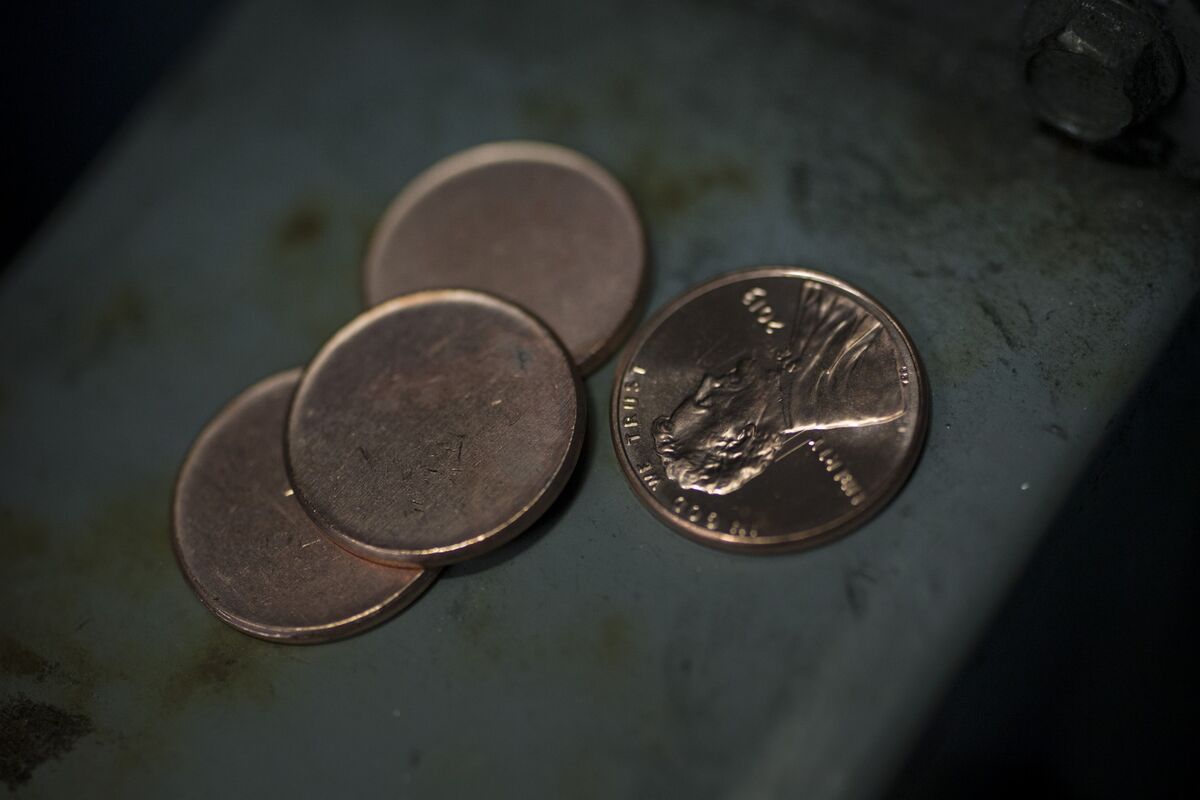
US retailers are petitioning Congress for legislation to permit rounding purchases to the nearest nickel, citing a critical shortage of new penny supplies that prevents businesses from providing exact change. This industry-wide appeal, communicated via a letter to key congressional committees, underscores an emerging operational challenge for the retail sector and could necessitate a significant shift in consumer transaction practices.
US retail industry groups are actively lobbying Congress to address an escalating operational challenge: a critical shortage of pennies. According to a letter sent on September 30 to key congressional finance committees, businesses report being unable to acquire sufficient pennies to provide exact change for cash transactions. The proposed solution is federal legislation that would permit retailers to round final purchase totals to the nearest nickel. This development signals a potential structural shift in consumer payment practices, moving the US closer to the currency rounding systems already adopted by countries like Canada. While the immediate market impact is low, this logistical issue poses a tangible headwind for cash-reliant businesses and highlights a vulnerability in the physical currency supply chain.
AI-powered research, real-time alerts, and portfolio analytics for institutional investors.
Request DemoOverall Sentiment
neutral
Sentiment Score
0.00
