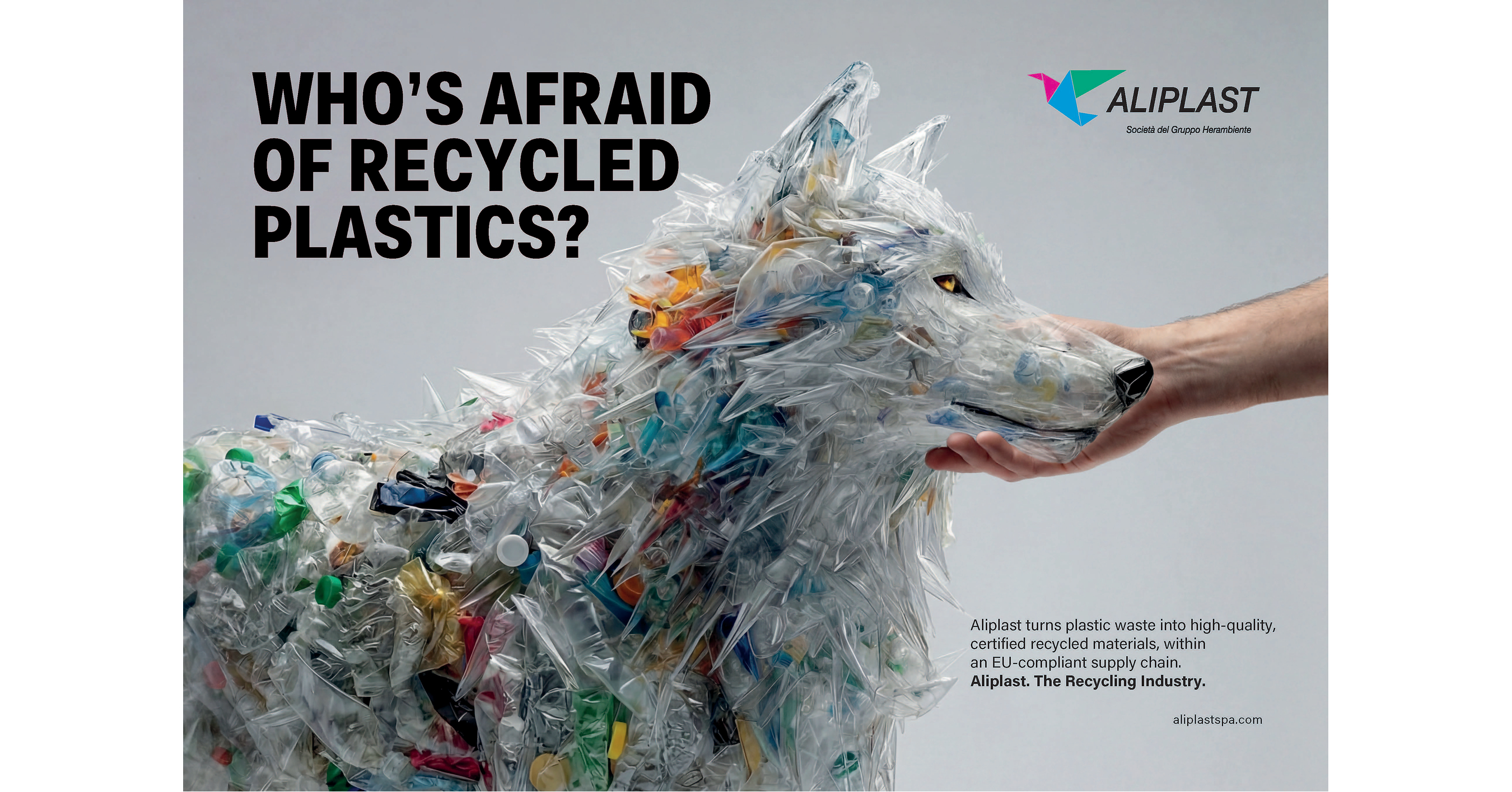
Aliplast (Hera Group) agreed to acquire a 70% stake in Kronos Polymer Polska to expand polyethylene recycling capacity, including a plant with 12,000 tonnes/year capacity. The deal supports Aliplast’s push to double group recycling capacity to over 210,000 tonnes/year and strengthen logistics by processing on-site in Poland. Transaction completion is expected by end-2026, subject to standard conditions precedent (e.g., demerger completion and permit transfer), and is positioned as a response to the PPWR packaging-waste rules.
This is less an earnings event than a capacity-and-compliance option on Europe’s recycled-content transition. The near-term financial contribution is likely de minimis, but the strategic value is that Hera is tightening control over feedstock quality, permitting, and local logistics just as buyers increasingly pay for traceability rather than tons alone. That should support margin stability in recycled PE versus smaller operators that compete purely on spot spreads.
The more interesting second-order effect is competitive: vertically integrated recyclers with permits and downstream distribution can absorb policy friction better than standalone processors. If PPWR enforcement tightens as expected, the winners are the operators that can guarantee specification consistency; the losers are virgin resin suppliers and low-capex recyclers whose output will be discounted when converters need auditable recycled input. Over 6-18 months, that can translate into a modest multiple premium for the best-positioned circular-economy names, but only if recycled-resin spreads stay firm.
The contrarian view is that the market may be extrapolating policy intent too quickly. The transaction closes late and depends on permits, so there is no immediate P&L catalyst; if implementation drifts or recycled-content enforcement is uneven across EU markets, the thesis becomes a story rather than cash flow. The key falsifiers are a delay in permit transfer, softening recycled-PE pricing, or signs that PPWR timelines slip enough to reduce procurement urgency.
AI-powered research, real-time alerts, and portfolio analytics for institutional investors.
Overall Sentiment
moderately positive
Sentiment Score
0.35
