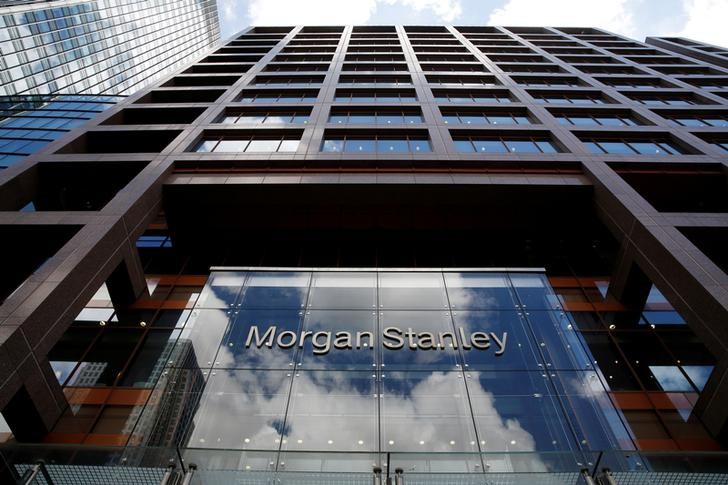
Morgan Stanley reiterated Overweight on Cadence Design Systems with a $370 price target, while noting FY2026 EPS estimates were trimmed in line with updated guidance. The company recently reported Q1 FY2026 revenue of $1.474B versus $1.450B consensus and adjusted EPS of $1.96 versus $1.88 expected, reinforcing a constructive outlook. Analysts highlighted strong margins, backlog, and AI-driven EDA momentum, though the stock may be trading above fair value.
The important read-through is not that Cadence remains fundamentally strong; it is that the market is now paying for a multi-year AI tooling conversion story while near-term estimates are still being reset lower. That creates a classic setup where the stock can grind higher on narrative support, but the multiple becomes increasingly fragile if bookings or hardware demand merely normalize rather than re-accelerate. The tension between raised targets and revised EPS is a warning that sell-side conviction is moving faster than the earnings base.
Second-order, Cadence is effectively becoming a proxy for the health of advanced-node design activity and AI infrastructure capex, not just generic EDA spend. If agentic tools shorten design cycles, the benefits accrue first to Cadence in sentiment, then to customers in time-to-market, and only later to revenue; that lag means this theme can persist for several quarters even if monetization is back-end weighted. The risk is that the market extrapolates tool adoption before it translates into enough incremental license expansion to support the current valuation.
The contrarian angle is that the bullish consensus may be underpricing the possibility of margin mean reversion in the wrong direction: not down from competition, but down from mix. If hardware and higher-touch design wins keep pulling the mix toward less scalable implementations, gross margin durability could look less “software-like” than the current multiple implies. In that case, any disappointment in the next 1-2 quarters would likely compress the stock faster than the target-price upgrades can protect it.
For holders, the key catalyst window is the next two earnings prints and any commentary on AI tool attach rates, backlog conversion, and China exposure. That is where the market will decide whether this is a structural re-rating or a temporary enthusiasm spike layered on top of already rich expectations.
AI-powered research, real-time alerts, and portfolio analytics for institutional investors.
Request DemoOverall Sentiment
mildly positive
Sentiment Score
0.45
Ticker Sentiment
