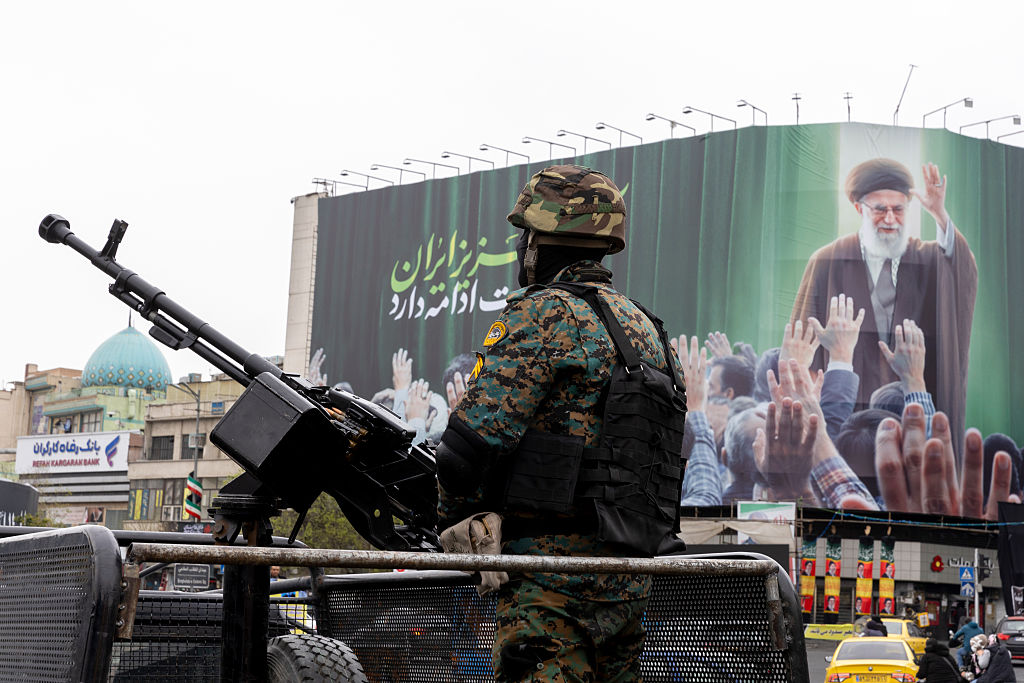
Airstrikes by the U.S. and Israel have opened a war with Iran; roughly 20% of global oil flows transit the Strait of Hormuz and oil prices have risen on heightened supply-risk concerns. Iran’s regime and the IRGC have shown resilience after the June 2025 12-day conflict and the strike that killed the Supreme Leader, increasing the likelihood of a protracted confrontation rather than a quick resolution. Reported Russian intelligence-sharing, potential Chinese assistance, and speculation about arming Kurdish groups amplify escalation risks, implying sustained volatility, upward pressure on fuel/inflation expectations, and a prolonged risk-off environment for portfolios.
Markets are pricing in elevated geopolitical premia across energy, shipping, and defense that can persist for months even if headline hostilities ebb; a sustained premium of $8–$18/bbl in global crude is plausible within a 1–3 month stress window because rerouting, insurance, and idling of refinery-sourced cargos compress available flows. That shock would mechanically add roughly 0.2–0.4 percentage points to core inflation over a 6–12 month horizon via higher transport and refining margins, forcing central banks to push back on any dovish pivot.
Second-order winners will be owners of tonnage and spot tanker charters: limited vessel supply means freight rates can spike multiple-fold for specific corridors, creating concentrated cashflows for equity-like owners rather than commodity producers who hedge. Conversely, sectors with high short-cycle demand sensitivity—airlines, leisure travel, and just-in-time manufacturing in EM—face earnings volatility within 1–3 quarters from both fuel and demand shocks.
Tail risks that reprice everything quickly include: a rapid diplomatic de-escalation through backchannel concessions (days–weeks), a broadening of sanctions/supply restrictions by major trade partners (weeks–months), or asymmetric tech/economic assistance that cushions targeted sectors (months). The most likely reversals are policy-driven — e.g., coordinated SPR releases combined with resumed cargo throughput — which would compress energy premia and rerate cyclicals within 30–90 days if executed credibly.
AI-powered research, real-time alerts, and portfolio analytics for institutional investors.
Request DemoOverall Sentiment
strongly negative
Sentiment Score
-0.65
