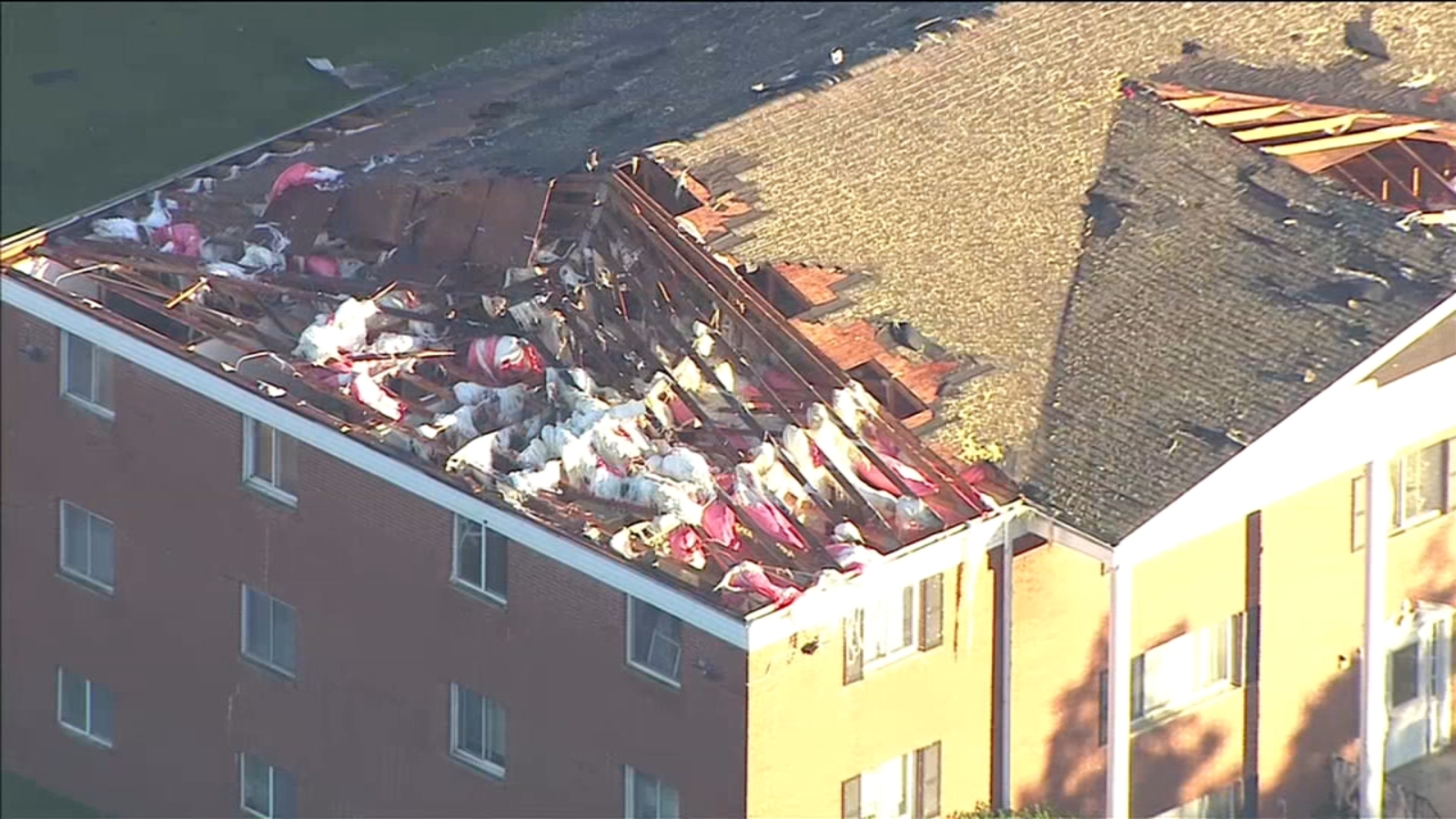
Strong thunderstorms and at least two confirmed tornadoes damaged homes, schools, roads, and utility infrastructure across the Chicago area, with more than 170,000 ComEd customers and over 74,000 NIPSCO customers without power. Streator reported 11 homes damaged, four hospitalizations with non-life-threatening injuries, and multiple shelters were opened in Streator and Hobart. The storm also knocked out operations at Andrean High School and caused roof damage at Saint Nicholas of Tolentine School in Chicago's West Lawn neighborhood.
The immediate market impact is less about the tornado headline itself and more about the concentrated outage footprint: utility load will be deferred, but replacement demand for line crews, transformers, poles, roofing materials, generators, and temporary shelter services should step up over the next 2-6 weeks. For listed equities, the first-order hit is on local productivity and any insurers with Midwest property exposure; the second-order beneficiary set is broader and more durable, especially industrial service firms and building-products distributors that can monetize emergency rebuild demand at better margins than routine maintenance work.
The more interesting setup is the duration mismatch between the economic loss and the equity reaction. Power restoration is typically measured in days, but commercial roof replacement, school repairs, and municipal cleanup can stretch into quarters, creating a multi-bid tailwind for contractors and materials suppliers even after the weather event fades from the tape. That argues for looking past the obvious ‘disaster = bad’ reflex and toward businesses with fast-response logistics, storm inventory, and regional branch density, which can take share when smaller locals run out of labor or stock.
Contrarianly, the consensus may be overpricing the negative read-through to the broad Chicago/NW Indiana economy while underpricing the insurance and reinsurance angle. Loss severity here is more likely to be dominated by frequency of smaller claims, water intrusion, and business interruption than by a single catastrophic loss event, which can actually be favorable for well-diversified carriers versus concentrated regional names. The real risk is not the next few trading sessions but the follow-on: if additional severe-weather systems hit the Midwest during peak summer months, you get a compounding effect on claims inflation, labor scarcity, and materials pricing that could persist into Q3-Q4.
AI-powered research, real-time alerts, and portfolio analytics for institutional investors.
Request DemoOverall Sentiment
strongly negative
Sentiment Score
-0.60
