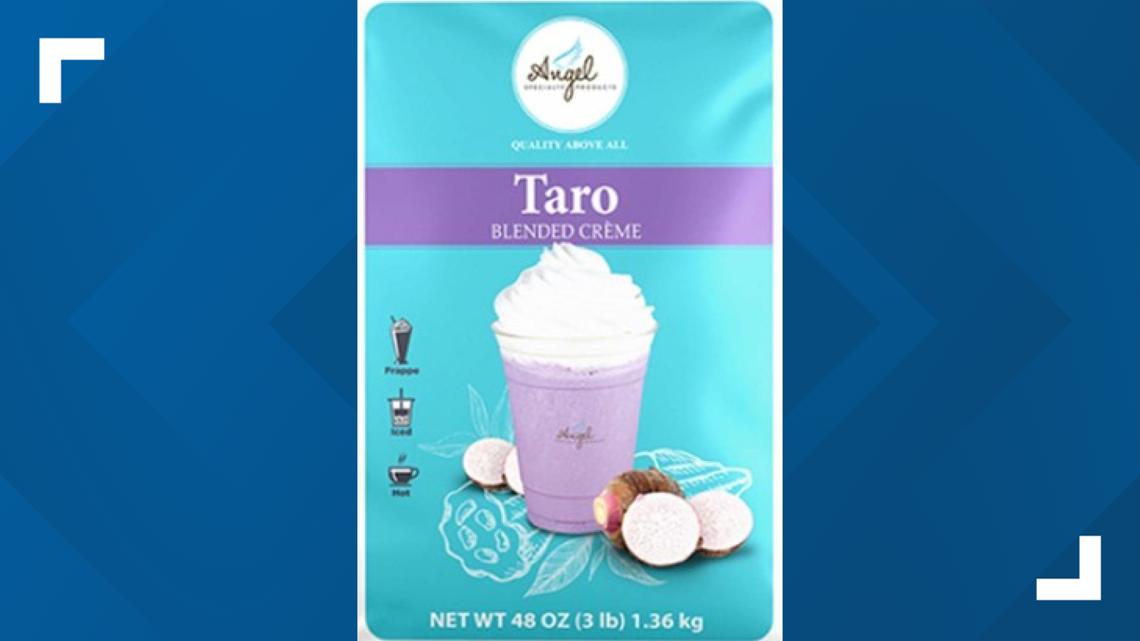
SKS Copack recalled specialty drinks sold in 25 states after a milk powder ingredient was linked to possible salmonella contamination. No illnesses have been reported, but consumers are being told to return affected products for a full refund. The recall spans multiple brands and product lots, indicating a supply-chain contamination issue rather than a single isolated item.
This is less a single-product mishap than a signal that the milk-powder contamination problem is moving laterally through the supply chain, which raises the odds of a second and third wave of recalls over the next 2-6 weeks. The immediate earnings impact on any one branded beverage company is likely small, but the reputational spillover is broader: foodservice buyers tend to rationalize suppliers quickly after safety events, and that can shift shelf-space and menu placements toward larger vendors with tighter QA documentation. In practical terms, the first-order loser is the distributor/brand layer; the second-order loser is any private-label or niche powdered beverage player that sources through the same dairy input network.
The most important market dynamic is that health-event headlines usually depress reorder velocity before they show up in unit data. Cafes and restaurants will temporarily over-order substitutes from incumbent suppliers to avoid stockout risk, which can create a short-lived share gain for cleaner, better-capitalized competitors while smaller operators absorb working-capital pressure and expedited freight costs. If no illness cluster emerges, the trade likely fades in days; if a consumer illness is linked, expect the issue to extend into months via legal, insurance, and retailer remediation costs.
The RGLD name is only indirectly exposed through the broader recall wave, but the signal for investors is that this is another data point in a food-safety tightening cycle, which tends to support compliance-heavy suppliers and penalize low-visibility processors. The contrarian view is that the stock-level move in most affected brands is probably overdone on the first headline because the recalled lots appear specific and bounded; absent a wider contamination map, the revenue hit should be manageable. The real asymmetry is in sentiment: one confirmed illness or a retail chain pulling category-wide product would quickly convert a nuisance recall into a material channel event.
AI-powered research, real-time alerts, and portfolio analytics for institutional investors.
Request DemoOverall Sentiment
mildly negative
Sentiment Score
-0.34
Ticker Sentiment
