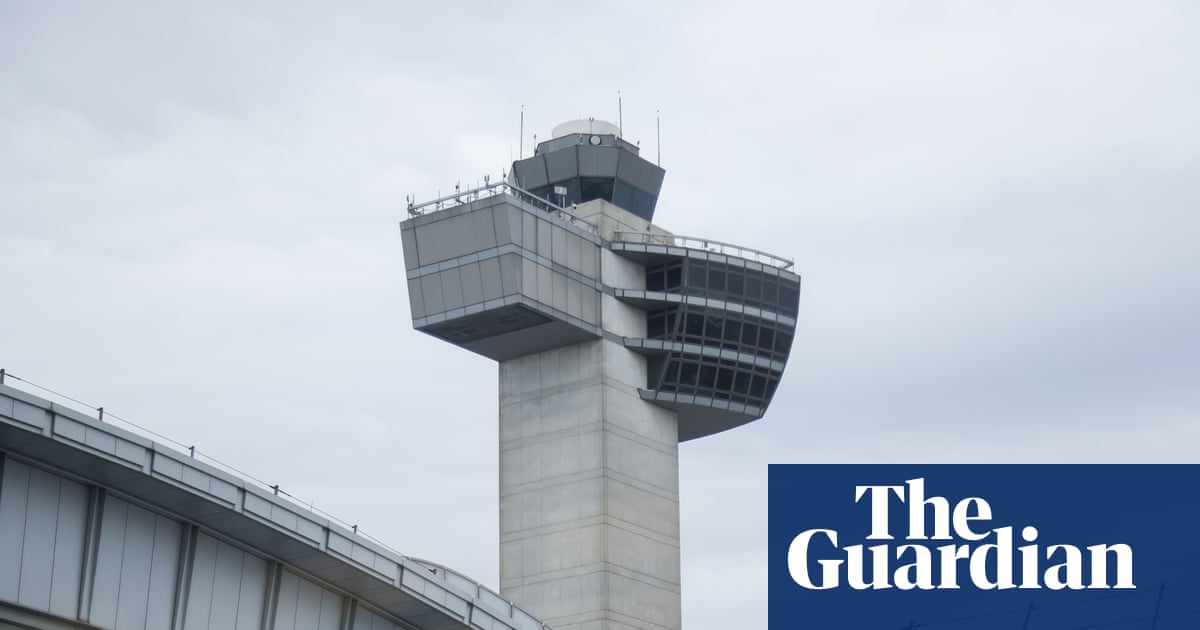
The FAA is investigating a close call at JFK in which Republic Airways Flight 4464 and Jazz Aviation Flight 554 came within 350 ft vertically and 0.62 miles horizontally before executing go-arounds and landing safely. Anti-collision alerts were triggered, and controllers ordered evasive actions to avoid a potential midair incident. The event adds to recent aviation safety concerns in New York after last month’s fatal LaGuardia collision.
This is less a one-off safety headline than evidence of a broader reliability problem in a tightly constrained national aviation system. The second-order effect is not just regulatory scrutiny; it is potential for longer decision cycles, higher buffer times, and lower asset utilization across congested Northeast corridors, which can quietly pressure network efficiency for carriers with heavy JFK/LGA exposure. The market impact is likely to be felt first in airport-services, regional-airline, and equipment-maintenance names before it shows up in the larger network carriers.
The near-term winner is anyone selling compliance, surveillance, and safety upgrades: cockpit alerting, radar/software, runway monitoring, and airfield infrastructure vendors should see a multi-quarter spending tailwind if regulators push mandatory upgrades or procedural changes. The loser is capacity growth at constrained hubs, because even modest changes in separation standards or taxi/approach procedures can reduce throughput at the margin and force more schedule padding. For airlines, the second-order cost is not ticket demand destruction but yield leakage from lower aircraft productivity and more irregular operations.
The key risk is that the policy response is asymmetric to the probability of recurrence: a high-visibility incident after a recent fatal airport event can trigger action even if the actuarial risk is still low. Over the next 1-3 months, that argues for elevated headline volatility in carriers with dense urban hub exposure; over 6-18 months, the more important catalyst is whether FAA reviews translate into capex or procedural mandates. If the investigation finds pilot/ATC process issues rather than systemic equipment failure, the move may fade quickly.
Consensus is likely underestimating how little incremental disruption is needed to change airport economics at constrained hubs. The real trade is not "airlines down" broadly, but a dispersion trade between congestion-sensitive operators and beneficiaries of safety capex and operational de-bottlenecking. Any overreaction in network airlines could be faded once the investigation scope becomes clear, but the structural thesis for infrastructure/safety spend remains intact.
AI-powered research, real-time alerts, and portfolio analytics for institutional investors.
Request TrialOverall Sentiment
mildly negative
Sentiment Score
-0.15
