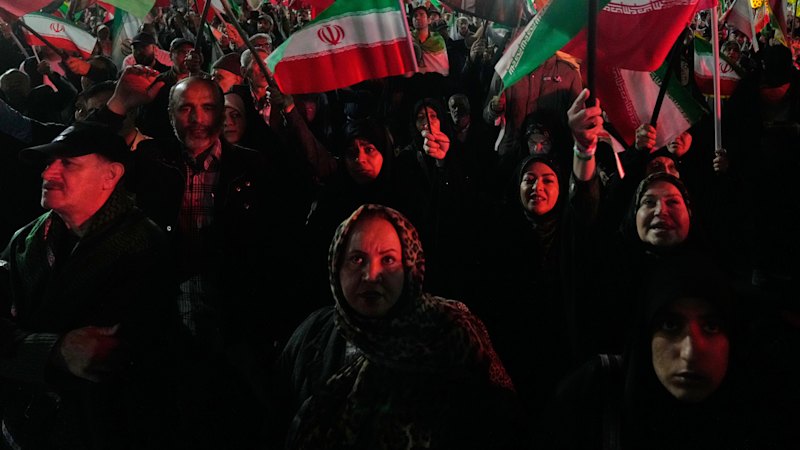
Trump is reportedly unhappy with Iran’s latest staged proposal to end the two-month war, reducing hopes for a settlement and keeping pressure on energy markets. Oil prices resumed their rise as Strait of Hormuz flows remained constrained, with ship-tracking data showing only 7 vessels crossing in the past day versus a normal 125-140 and none carrying oil for the global market. The article highlights ongoing blockade risk, disrupted trade routes, and persistent inflationary pressure from higher crude prices.
The market is beginning to price a more durable supply disruption than a one-off headline risk. The key second-order effect is not just lost barrels from Iran, but the premium being attached to any route that touches the Strait of Hormuz: shipping insurance, tanker turn times, and inventory carry all reprice together, which can keep prompt crude supported even if outright war rhetoric fades. That means energy strength can persist for weeks, but the more interesting trade is in the relative beneficiaries of dislocation rather than beta to crude itself.
Refiners and airlines are the obvious losers on a 1-3 month horizon because margin compression typically lags the first oil spike by 2-4 weeks, after which product pricing catches up slower than feedstock costs. Industrial transports with heavy Asia-Middle East exposure are also vulnerable because rerouting and port congestion quietly add basis cost without showing up immediately in headline freight rates. In contrast, LNG-linked infrastructure, non-Gulf supply chains, and domestically insulated producers should gain a relative valuation premium as buyers seek optionality away from chokepoints.
The consensus may be overestimating the probability of an immediate diplomatic breakthrough and underestimating the willingness of both sides to use economic friction as leverage. That argues for staying long optionality on energy and shipping volatility, but not for outright chasing crude after an extended move unless physical flow data improves. A reversal would likely require a credible ceasefire mechanism plus verifiable tanker throughput normalization; absent that, the path of least resistance is a persistently elevated risk premium rather than a clean breakout higher.
AI-powered research, real-time alerts, and portfolio analytics for institutional investors.
Request DemoOverall Sentiment
strongly negative
Sentiment Score
-0.55
