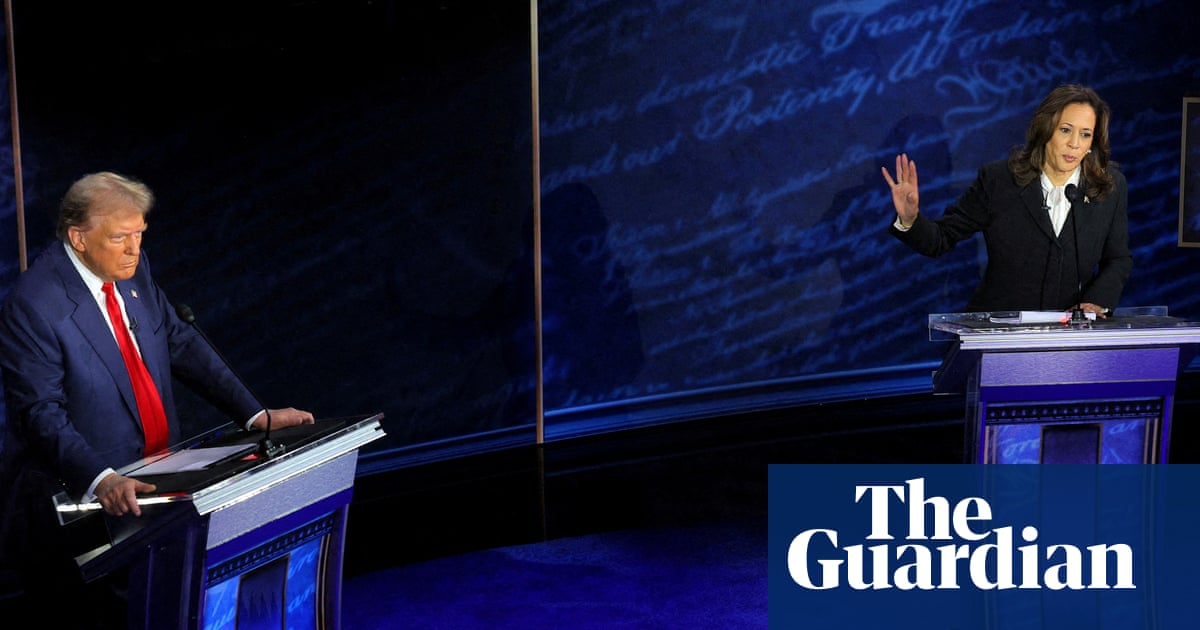
The article critiques a DNC report on the 2024 election, highlighting omitted issues such as Biden’s late exit, Gaza, Harris’s identity, and the lack of research on Harris when she became the nominee. It also notes internal campaign spending of about $150m on voter contact versus $1.04bn on media expenditures, with annotations in the report disputing several claims. The piece is politically significant but has limited direct market impact.
The market read-through is not about one party’s postmortem; it’s about institutional trust in message control, polling integrity, and donor efficiency. When internal processes are shown to be porous, the immediate second-order effect is a premium on outside data, independent media amplification, and consulting firms that can credibly claim they saw the election environment earlier than the official apparatus. That tends to be mildly bearish for broad “political media” credibility while being supportive for niche analytics, ad-tech, and nontraditional distribution channels that help campaigns reach fragmented voters more efficiently.
The most actionable implication is budget reallocation risk. If future campaigns conclude that overspending on linear media while underfunding voter contact was the wrong mix, the next cycle should favor digital targeting, creator-led distribution, SMS, and field-tech vendors at the expense of legacy broadcast inventory. The shift won’t happen overnight, but it can begin within the next 3-6 months as party committees and major donors re-price what “effective persuasion” means; that creates a potential relative tailwind for platform-adjacent names and a headwind for broadcasters if campaign dollars get redirected.
The contrarian angle is that reputational damage may be larger than the electoral lesson. Publicly airing internal contradictions can reduce donor willingness to write large checks until a clearer governance structure emerges, which is a medium-term funding risk for the broader political ecosystem. However, because the controversy is about management failure rather than ideology, the selloff in “political process” confidence may be overdone; once the narrative settles, money usually migrates toward better operators rather than leaving the system entirely.
The biggest catalyst is any evidence that the next major campaign cycle adopts a more data-driven, digitally native operating model. If that happens, the beneficiaries will be companies with audience graph, identity resolution, and distributed media capabilities, while broadcast-heavy exposure and legacy polling brands could lose share. The risk to the thesis is a rapid normalization of the scandal into partisan noise, which would compress the trade back toward broad market beta within 1-2 months.
AI-powered research, real-time alerts, and portfolio analytics for institutional investors.
Request DemoOverall Sentiment
neutral
Sentiment Score
-0.10
