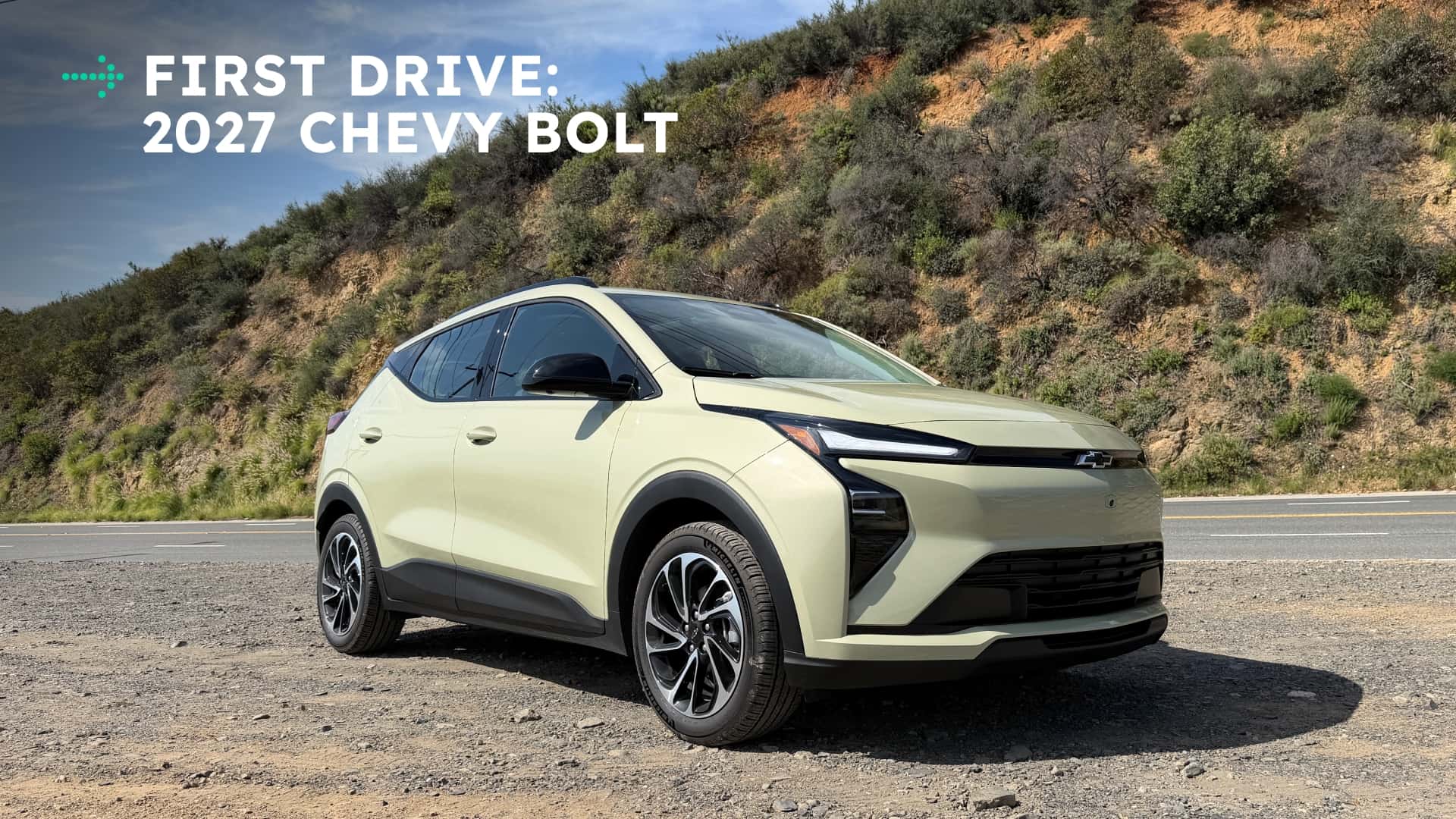
Chevrolet will produce the 2027 Bolt for a limited 18-month run before retooling its Kansas plant to build gasoline SUVs, capping supply despite competitive economics. The Bolt is priced from $28,995 (including destination), uses a 65 kWh LFP battery for ~262 miles range, supports 150 kW fast charging (10–80% in ~26 minutes), and is powered by a 210 hp front motor (0–60 mph ~6.8s). Upside options are costly: Super Cruise adds $3,255 on top of required packages (totaling $6,660, ~23% over base) and requires a subscription after three years. Commercial prospects are constrained by consumer preference for larger vehicles, the loss of a $7,500 tax credit and tariffs influencing model allocation, so demand risk is high despite a well-regarded product.
GM’s manufacturing reprioritization for higher-margin vehicles creates an artificial scarcity of low-cost EVs that materially slows penetration into price-sensitive cohorts. That scarcity will widen the spread between new‑car ASPs and used EV prices for smaller models, shifting total cost-of-ownership dynamics and elongating the timeline for mass-market electrification by multiple quarters to years.
A pivot toward LFP and cheaper pack architectures favors upstream LFP cell manufacturers and the logistics networks that supply iron‑and‑phosphate feedstocks, while reducing near-term demand pressure on high‑nickel supply chains. Expect downward pressure on nickel-driven battery economics and an accelerated bifurcation of cell pricing between LFP and NMC families over the next 6–18 months.
The OEM adoption of embedded, Google‑owned infotainment as the primary in-car experience is a structural positive for Alphabet’s recurring monetization and data capture — it converts vehicles into persistent engagement endpoints and raises in-car ARPU potential for streaming and advertising partners. Conversely, expensive add‑ons sold via trim-driven strategies (and subscription models) will see low initial take rates, capping short-term aftermarket recurring revenue and making OEM mix the main lever for margin recovery.
Key catalysts to monitor are wholesale/dealer inventory flows (weeks), announced cell contract volumes and pricing (months), and any tax/tariff policy reversals that reopen affordable EV routes for OEMs (quarter to year). Tail risks include LFP oversupply that collapses cell ASPs, or a macro pullback that re‑accelerates demand for used, larger ICE vehicles — either could materially alter the above dynamics within 3–12 months.
AI-powered research, real-time alerts, and portfolio analytics for institutional investors.
Request DemoOverall Sentiment
mildly negative
Sentiment Score
-0.30
Ticker Sentiment
