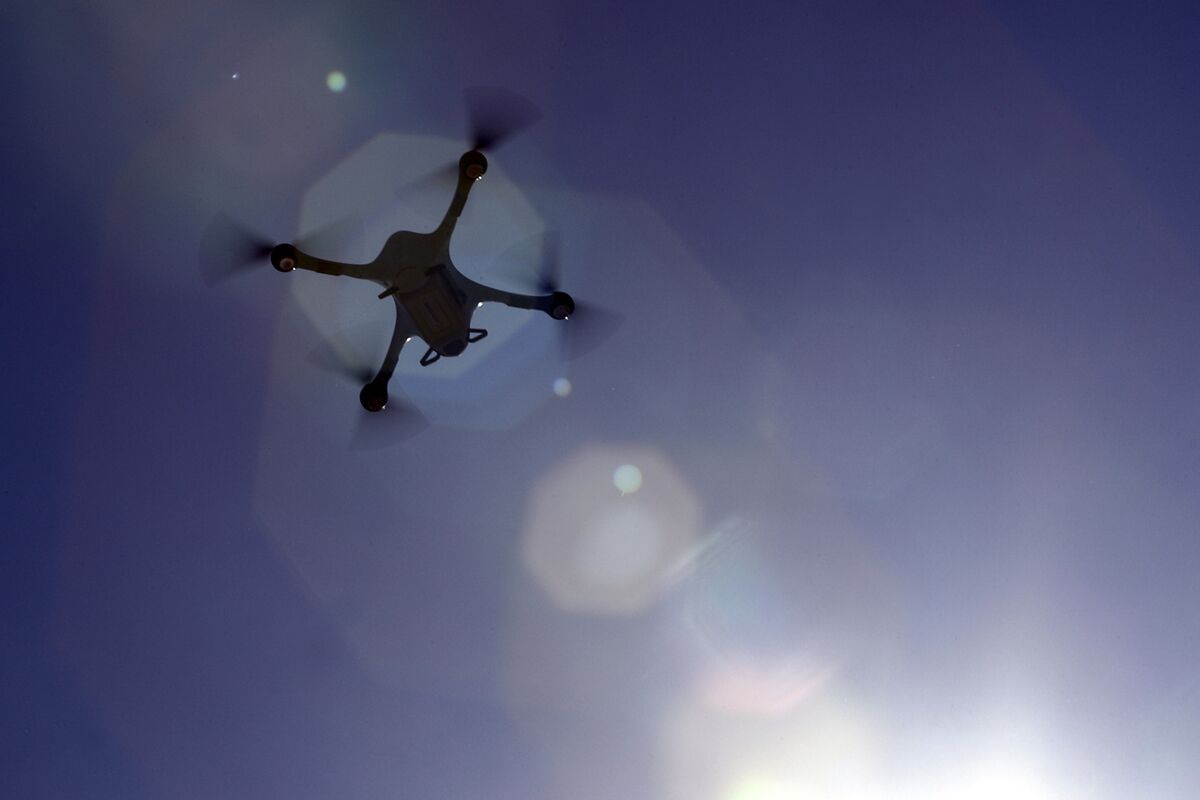
The US Commerce Department has initiated Section 232 investigations into imports of drones, drone parts, and polysilicon, a critical material for solar power, effective July 1. This move, leveraging the Trade Expansion Act, sets the stage for potential tariffs on these goods and signifies the Trump administration's continued use of national security justifications to impose sectoral trade restrictions.
The U.S. Commerce Department has initiated Section 232 investigations into imports of drones, related parts, and polysilicon, a critical input for the solar power industry. This action, taken under the Trade Expansion Act, signals a potential precursor to the imposition of tariffs, citing national security concerns as justification—a strategy consistent with the Trump administration's broader trade policy. The investigation introduces significant uncertainty for two key technology and energy sectors. For the solar industry, potential tariffs on polysilicon threaten to increase raw material costs, which could compress margins for domestic solar panel manufacturers and potentially slow the deployment of new solar projects. Similarly, the drone industry faces risks of supply chain disruption and higher component costs, which could impact both manufacturers and commercial operators. The moderately negative sentiment signal (-0.5) accurately reflects the market's pricing of this new geopolitical and trade risk, which could disrupt established global supply chains for these specific industries.
AI-powered research, real-time alerts, and portfolio analytics for institutional investors.
Request DemoOverall Sentiment
moderately negative
Sentiment Score
-0.50
