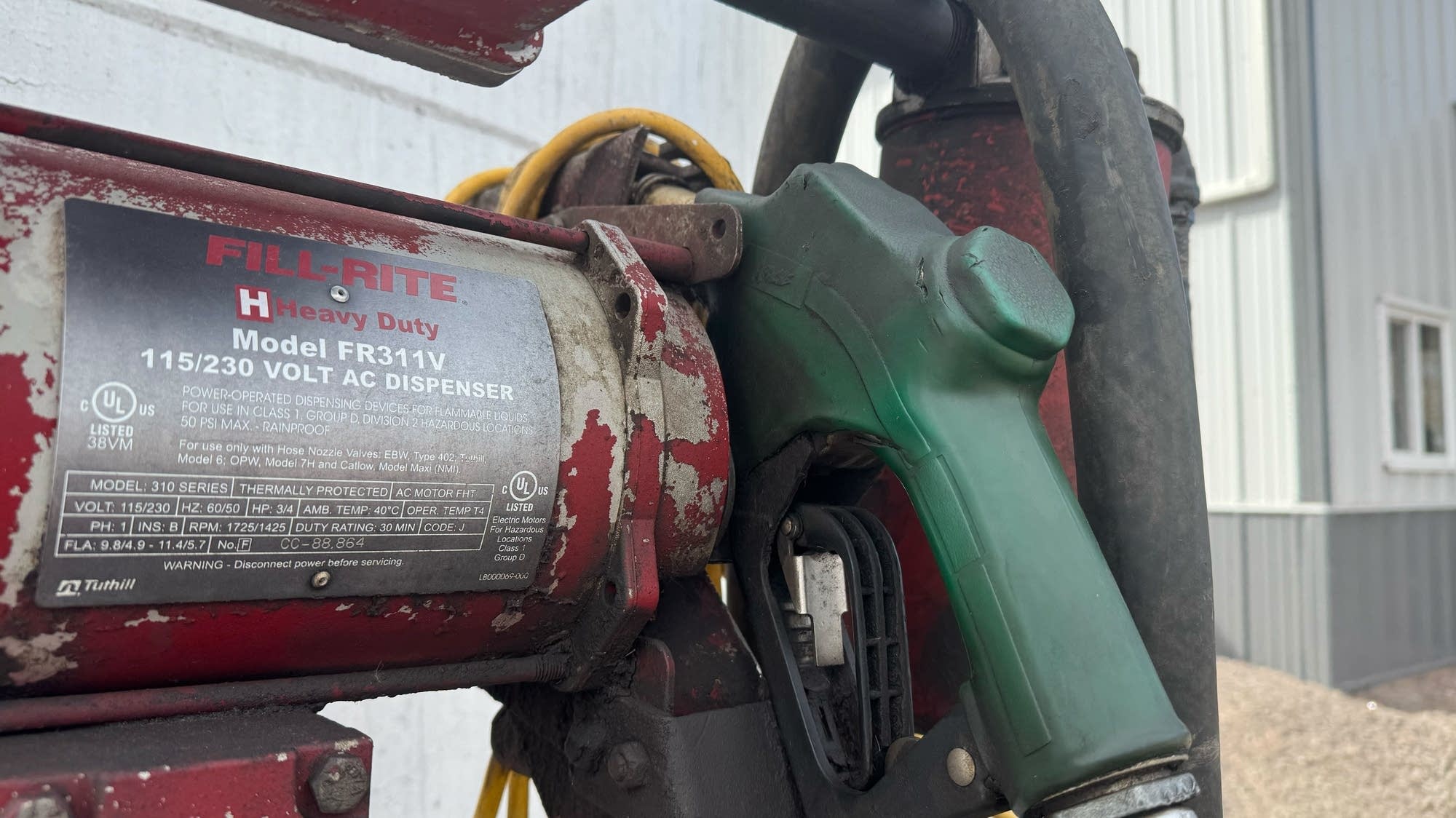
The article says costs could continue to squeeze Minnesota farmers even after the Strait of Hormuz reopens, implying lingering pressure from elevated energy and input prices. The key risk is that supply-chain and commodity cost effects may persist beyond the immediate geopolitical disruption, weighing on farm margins. Impact is more local and sector-specific than market-wide, but it remains a meaningful headwind for agricultural producers.
The real issue is not the immediate price spike; it is the lagged pass-through from input volatility into planting decisions, basis, and hedge behavior. When fuel, nitrogen, and freight all reprice at once, farmers tend to protect acres by reducing discretionary spend rather than cutting output immediately, which can compress yields and quality in the next crop cycle even after the chokepoint normalizes. That creates a second-order squeeze on regional grain elevators, input distributors, and downstream processors that depends more on working-capital stress than on headline commodity prices.
The biggest beneficiaries are upstream energy and fertilizer exposure with short-cycle pricing power, while the losers are anyone with fixed contracts to the farm economy. Rail, barge, and local trucking operators may see softer volumes if producers defer shipments or hold grain longer for better basis, and machinery dealers could face a delayed replacement cycle as farmers preserve cash. This is a classic “reopening doesn’t equal normalization” setup: the market may fade the geopolitical premium quickly, but physical balance sheets in the Midwest can stay impaired for 2-3 quarters.
The contrarian view is that this is less a straight energy trade and more a hidden rural credit event. If financing costs rise into the next planting season, the stress can propagate into delinquencies, land-lease renegotiations, and tighter input purchasing, which matters more than spot crude after the initial shock fades. The risk to that thesis is a rapid de-escalation plus a benign weather window, which would restore farmer confidence before the 2025 planting cycle and unwind most of the margin pressure.
For trades, the best expression is to fade companies with high exposure to Midwest farm capex and input spending on any relief rally, while keeping optionality on fertilizer and energy as a hedge against renewed logistics disruption. The move is likely underappreciated in terms of duration: the market will price the event in days, but the earnings damage should emerge over months through lower farm income and worse credit conditions. This is the kind of setup where the headline catalyst is short, but the economic aftershock is long.
AI-powered research, real-time alerts, and portfolio analytics for institutional investors.
Request DemoOverall Sentiment
mildly negative
Sentiment Score
-0.35
