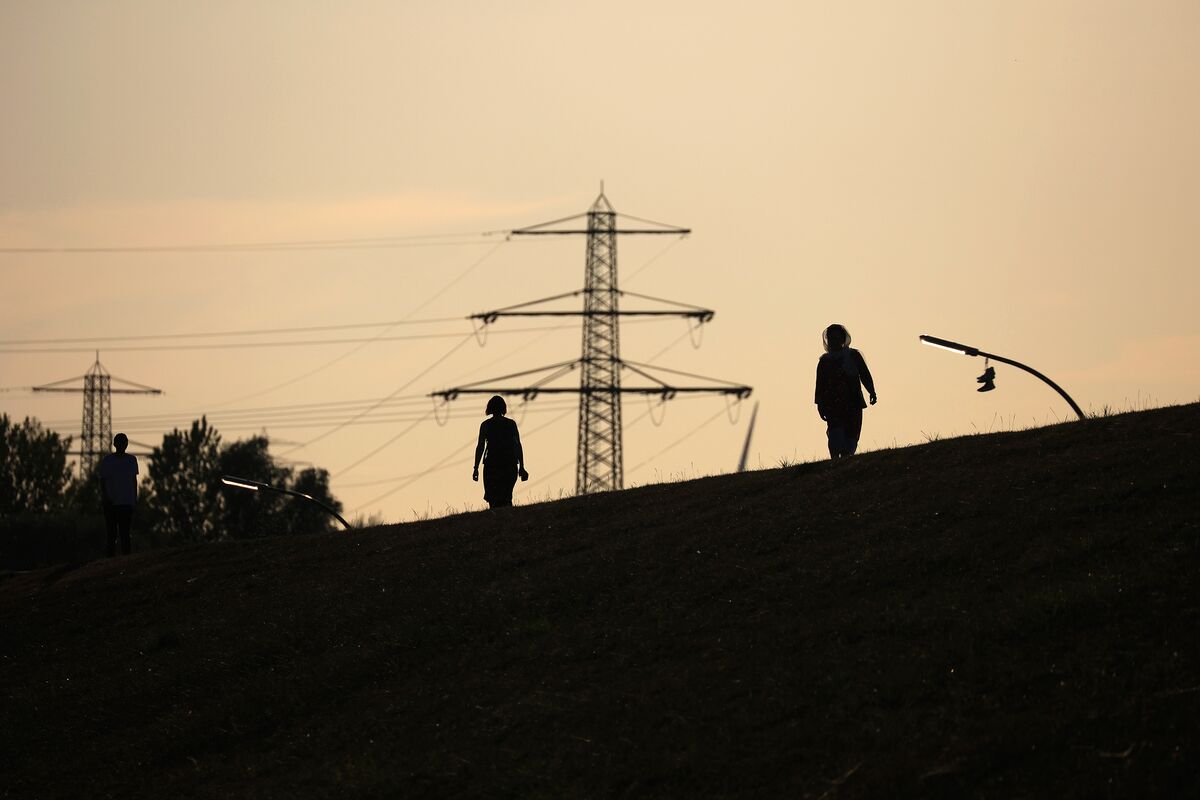
The European Commission plans to fast-track its Energy Highways project to accelerate construction of cross-border power grids after years of underinvestment and fragmented planning have driven up energy bills. The proposal aims to improve network efficiency, lower electricity prices and reduce reliance on imported fossil fuels; the draft cites that EU electricity prices are currently more than double those in the US and China, underscoring energy-security and cost pressures that could benefit grid operators, transmission-capex suppliers and renewables integration over time.
Market structure: Fast-tracking EU cross-border grids directly benefits cable & electrical-equipment suppliers (e.g., Prysmian PRY.MI, Nexans NEX.PA), system integrators (ABB.N), and large renewables-heavy utilities with pan‑EU exposure (Iberdrola IBE.MC, Enel ENEL.MI). Incumbent, gas‑dependent generators and LNG spot sellers should see reduced pricing power as interconnectors compress regional price spreads; expect peak-avoidance and downward pressure on TTF gas demand by ~10–30% over 2–5 years if capacity targets are met.
Risk assessment: Tail risks include permitting/NIMBY delays, a 20–40% jump in copper/cable costs from supply constraints, or member-state political pushback that stalls projects for 2–5+ years. Near-term (days-weeks) market moves will be muted; short-term (3–12 months) orderbooks and contractor equities should reprice on EU funding/contract awards; long-term (1–5 years) impact materializes in power markets and sovereign issuance. Hidden dependencies: TSOs’ procurement cycles, grid-code harmonization and raw-material supply chains are gating factors.
Trade implications: Tactical longs on equipment makers (2–3% position PRY.MI, 1–2% NEX.PA) and renewable‑heavy utilities (1–2% ENEL.MI or IBE.MC) versus shorts in gas exposure (short ICE Dutch TTF futures or 1–2% short UN01.DE/Uniper) capture spread convergence. Use 12–24 month call LEAPS on PRY.MI (buy 12–18 month ATM calls) and call spreads to limit premium; sell covered calls on large legacy utilities (e.g., RWE.DE) to harvest income while rotation occurs.
Contrarian angles: Consensus underrates implementation lag and supply‑side winners (contractors win earlier than utilities do). Market may underprice cable-makers’ backlog upside but overprice immediate utility margin improvement—expect 20–40% equity re-rating for contractors if EU awards >€10–20bn in next 12 months. Unintended consequences: large capex could raise sovereign issuance and long yields, offsetting some currency/trade‑balance gains; hedge bond exposure accordingly.
AI-powered research, real-time alerts, and portfolio analytics for institutional investors.
Request DemoOverall Sentiment
mildly positive
Sentiment Score
0.25
