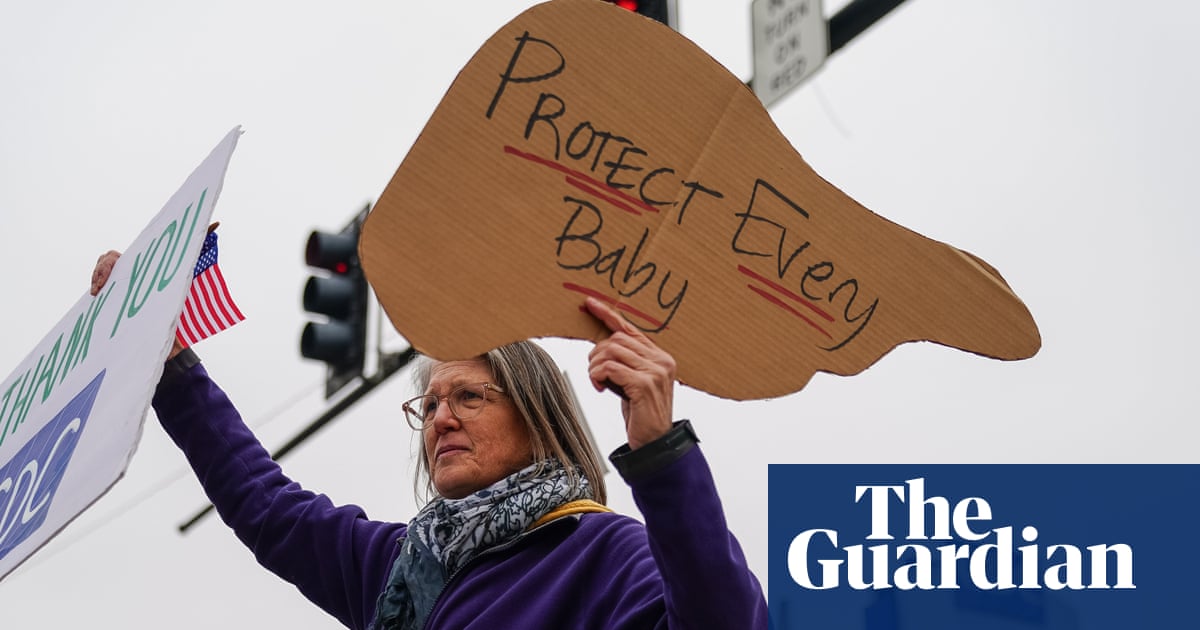
A federal advisory committee (ACIP) delayed a contentious vote on whether to change the long-standing CDC recommendation that all newborns receive the hepatitis B vaccine within 24 hours of birth, after heated debate and requests for more time to review wording. The meeting highlighted political interference in public-health advisory processes — the panel includes appointees of controversial health secretary Robert F. Kennedy Jr., and leadership turnover at the CDC preceded the meeting — raising concerns about potential policy shifts with material implications for childhood health policy and vaccine uptake, though no new evidence of vaccine harm was presented.
Market structure: Immediate winners are political/alternative-health networks and small-cap firms that cater to vaccine-hesitant consumers; direct losers are legacy vaccine franchises that manufacture the hepatitis‑B newborn dose (notably GSK, MRK and Sanofi’s vaccine units) because a change to the universal newborn recommendation could shave a several‑percent demand tail from an otherwise stable vaccines book. Competitive dynamics shift toward adult/hep‑B adult products (Dynavax DVAX) and combination pediatric vaccine makers if monovalent newborn use falls; pricing power for large vaccine franchises is largely intact but revenue growth volatility could rise by ±1–3% of vaccine revenues over 12 months. Cross‑asset: expect modest safe‑haven flows into short‑duration Treasuries and a small bump in implied volatility for small‑cap biotech names (XBI/IBB) rather than broad markets; FX and commodities impact is negligible absent contagion to broader pharma regulation.
Risk assessment: Tail risks include a cascading rollback of other childhood vaccine schedules or litigation against manufacturers leading to multi‑billion dollar liabilities (low probability, high impact over 1–3 years). Near term (days) headline risk will drive intraday volatility; short term (weeks–months) regulatory decisions and CDC director choices are key; long term (years) erosion of public trust could raise healthcare costs and reduce vaccine TAM. Hidden dependencies: state‑level mandates can blunt federal shifts and measles‑style outbreaks could rapidly reverse demand; litigation and insurance/claims shifts are underpriced. Catalysts to watch: ACIP final vote (within 7 days), CDC acting director guidance (30 days), state health department responses and any high‑profile litigation filings within 90 days.
Trade implications: Short, hedged exposure to small vaccine producers and buy protection on large vaccine makers is the priority — expect volatility rather than fundamental revenue collapse. Options are preferred to limit drawdowns: buy 3‑month put spreads on GSK/MRK sized to 0.5–1% portfolio exposure; consider a volatility play on DVAX given its small market cap. Rotate out of small‑cap biotech (XBI) by 3–5% and increase short‑duration Treasury exposure by 2–3% as an immediate hedge against policy/regulatory noise in the next 30–90 days.
Contrarian angle: The market is likely overstating permanent demand destruction — historical parallels (2019 measles) show policy and outbreak feedback loops typically restore vaccine uptake within 6–24 months; an enforced or temporary advisory change is reversible. If MRK/GSK sell off >8–10% on headlines, that should be viewed as a tactical buying opportunity to accumulate 1–2% positions for a 12–18 month horizon, assuming no sustained legal judgment; avoid extrapolating short‑run sentiment into strategic long‑term revenue declines.
AI-powered research, real-time alerts, and portfolio analytics for institutional investors.
Request DemoOverall Sentiment
moderately negative
Sentiment Score
-0.35
