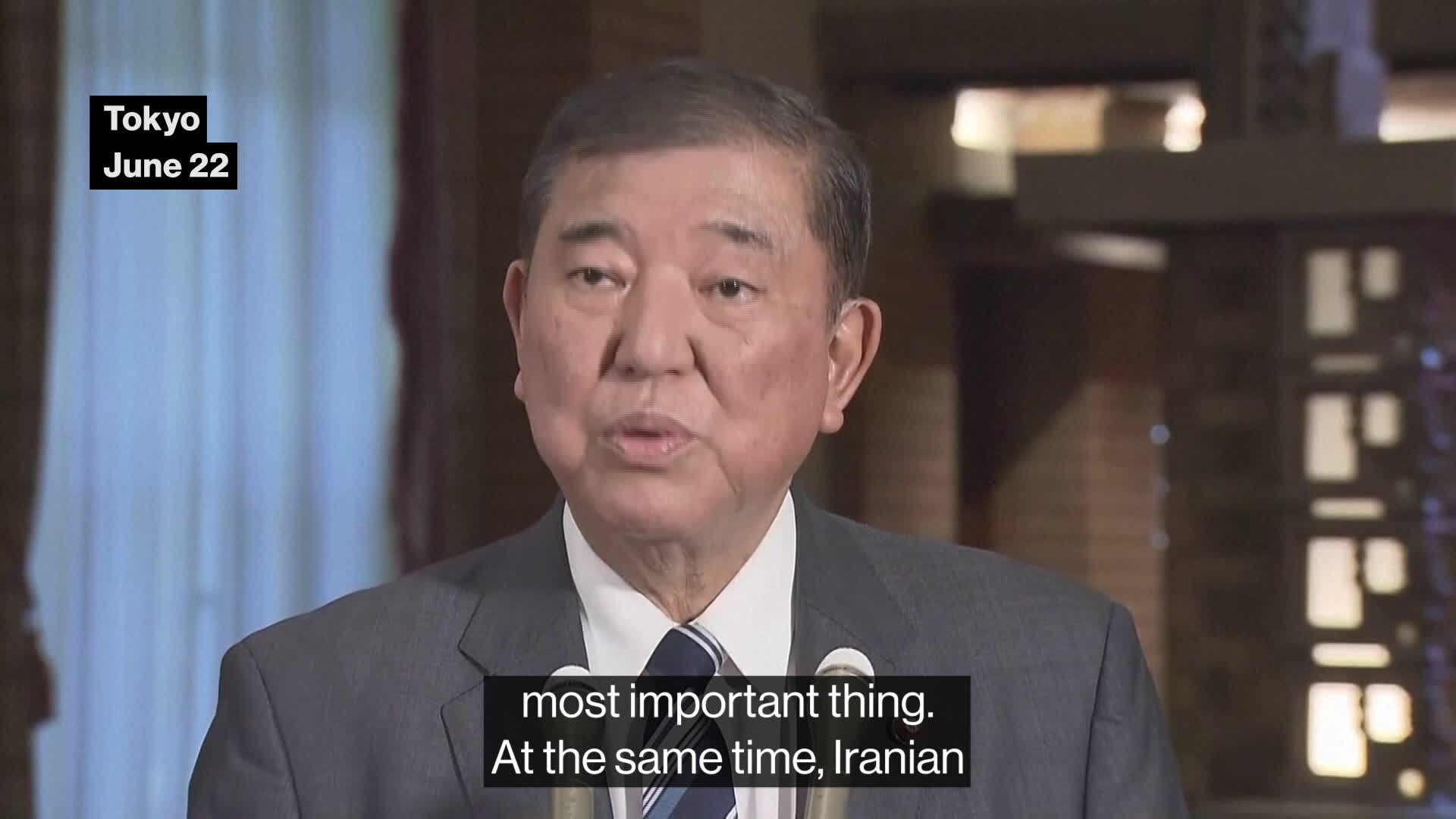
Japanese Prime Minister Shigeru Ishiba has called for de-escalation in the Middle East following reported American airstrikes on Iranian nuclear sites, emphasizing the urgency of resolving the conflict; the statement, reported by the Associated Press, reflects Japan's concern over regional stability and potential economic ramifications.
A significant geopolitical escalation is underway following reports of U.S. airstrikes on Iran's primary nuclear facilities, prompting an immediate call for de-escalation from Japanese Prime Minister Shigeru Ishiba. This statement from a key U.S. ally and major global economy highlights the severe international concern regarding regional stability. The market's interpretation of this event is reflected in the high market impact score of 0.75 and a moderately negative sentiment reading of -0.55, indicating that investors perceive this as a serious threat to global markets. Japan's dependence on Middle Eastern energy imports makes its call for calm particularly noteworthy, as a wider conflict would almost certainly disrupt critical oil and gas supply chains, leading to price shocks and substantial economic consequences for energy-importing nations.
AI-powered research, real-time alerts, and portfolio analytics for institutional investors.
Request DemoOverall Sentiment
moderately negative
Sentiment Score
-0.55
