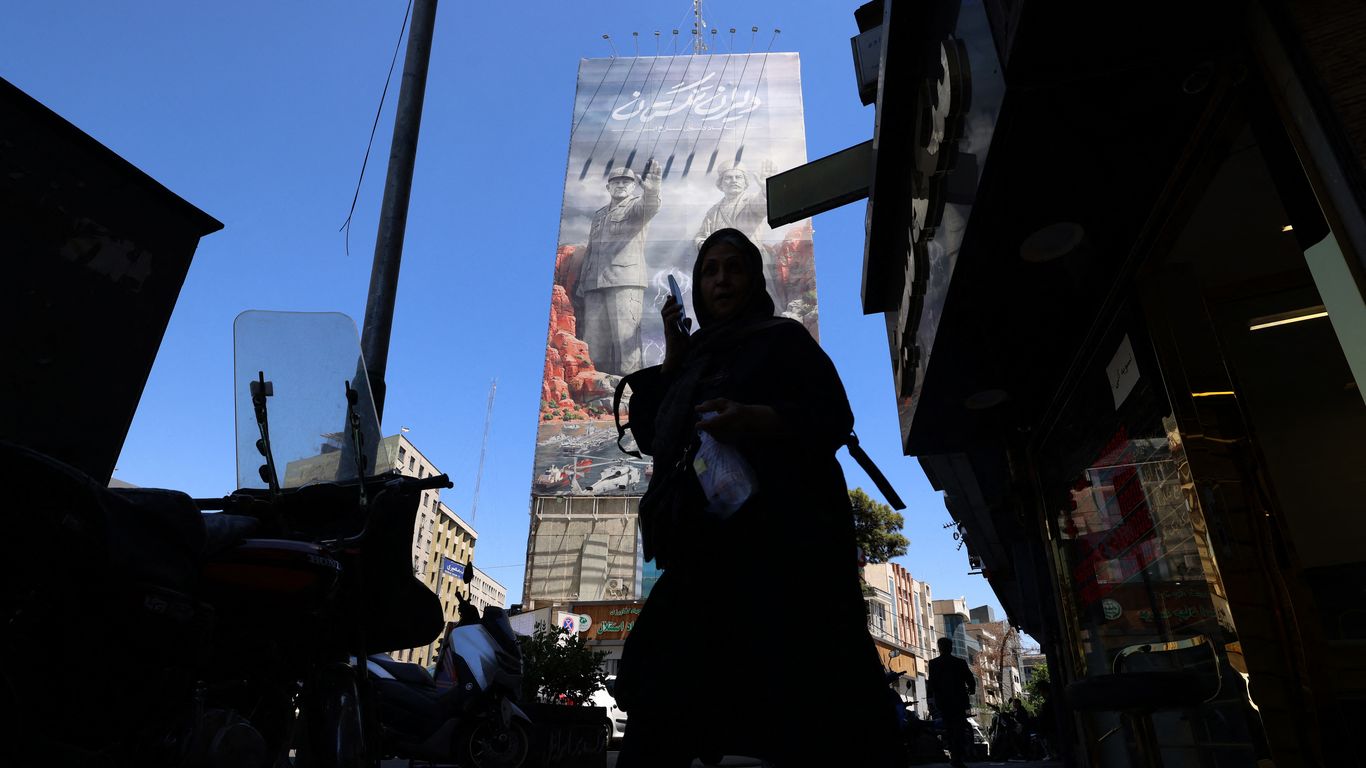
Trump said Iran has only a short window to reach a better deal, warning it could be hit "much harder" if it fails to concede, while U.S. officials said military options are back on the table and a Situation Room meeting is planned for Tuesday. The article also reports a drone strike at the UAE's Barakah nuclear plant, damaging an electrical generator, with no radiological impact reported. The escalation raises geopolitical and energy-risk premiums across the region.
The immediate market signal is not just headline risk in crude, but a higher probability distribution around Gulf infrastructure disruption. Even if this never becomes a broader regional war, the combination of U.S. escalation language, back-channel diplomacy, and a strike near a nuclear facility raises implied tail risk for tanker routes, aviation fuel, and desalination-linked utilities across the Gulf. That kind of regime shift usually shows up first in shipping insurance, freight rates, and short-dated energy vol before it is fully priced in spot commodities.
The second-order effect is that this improves the bargaining power of producers and degrades the policy confidence of import-dependent EMs. India, Turkey, and parts of Southeast Asia face an unfavorable mix: higher input costs, weaker currencies, and the possibility that any oil spike arrives alongside risk-off USD strength. If the rhetoric translates into even temporary disruption, the winners are upstream U.S. producers and defense primes tied to missile defense, ISR, and base protection; the losers are airlines, chemicals, and refiners with little product pricing power.
The market may be underestimating how quickly a limited strike cycle could become self-reinforcing through proxy responses. A single kinetic event around Iran would likely trigger asymmetric retaliation against soft regional infrastructure, which is more important for equities than a neat oil-balance model. Conversely, if the next 48–72 hours produce a credible diplomatic off-ramp, the premium collapses fast because the current move is mostly a hazard premium rather than a structural supply shock.
Contrarian view: the consensus may be too focused on direct U.S.-Iran escalation and not enough on the possibility of a noisy but contained coercive campaign. That scenario is bullish for volatility, not necessarily for sustained oil direction, because actual supply losses may remain modest while risk premiums fade after each headline. The best expression may therefore be short-dated options rather than outright directional exposure.
AI-powered research, real-time alerts, and portfolio analytics for institutional investors.
Request DemoOverall Sentiment
strongly negative
Sentiment Score
-0.78
