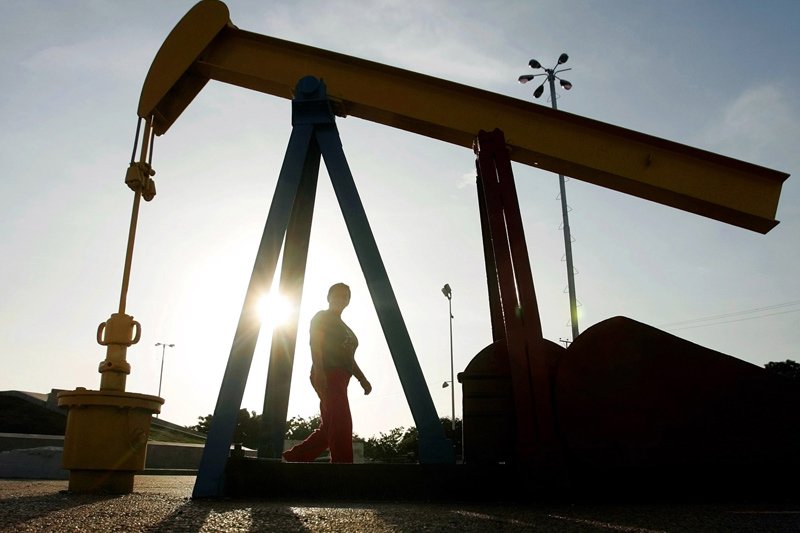
The Pentagon requested $200 billion in supplemental defense funding as U.S.-Iran hostilities escalated, with Israel striking Iran’s South Pars gas field and Iran retaliating (including a ballistic missile hit on Qatar’s Ras Laffan). Iranian missile strikes have reportedly declined 90% and drone strikes 83% since the conflict began, but the Ras Laffan strike underscores residual offensive capability. Policy responses — a 120-day SPR release, 60-day Jones Act waiver, a planned summer E15 waiver, and sanctions exemptions for oil already at sea — aim to cap fuel-price spikes; heightened energy/shipping and defense risk could drive volatility across energy, shipping insurers, and defense contractors.
Defense modernization and surge supplemental funding create a near-term procurement kicker for AI/compute, sensors, and munitions suppliers. If even 10–20% of a large multi-year defense request flows into modernization and compute, that implies a $20–40bn incremental tech/EO/compute TAM over 1–3 years — a non-trivial revenue tail for GPU vendors, systems integrators, and legacy primes who win integration work.
Maritime friction and insurance premia are the transmission mechanism from geopolitics to energy and logistics costs: elevated shipping risk compresses throughput, raises freight and bunker price volatility, and re-routes cargo into longer voyages. That creates pockets of backwardation in seaborne crude and heating fuels for weeks-to-months, but political countermeasures (strategic releases, waivers, allied escorts) cap the amplitude — making spikes likely but short-lived rather than sustained structural highs.
Export control and sanction frictions are a double-edged sword for semiconductor leaders: they increase pricing power and prioritization of capacity for domestic/ally customers, but also raise delivery risk and political tail risk to cross-border revenue. Over 6–24 months, winners will be those that can (1) lock government-backed backlog, (2) de-risk logistics with near-shore fabrication/packaging partners, and (3) monetize higher ASPs via software/recurring services.
The next reversals will come from either operational normalization (maritime insurance falls, freight flows resume) or a large-scale political de-escalation that removes the premium for defense modernization. Key early readouts: DoD award cadence, insurance rate moves, SPR/waiver timing, and GPU contract disclosures — each can re-rate or compress the current opportunity set within 30–180 days.
AI-powered research, real-time alerts, and portfolio analytics for institutional investors.
Request DemoOverall Sentiment
mildly negative
Sentiment Score
-0.35
Ticker Sentiment
