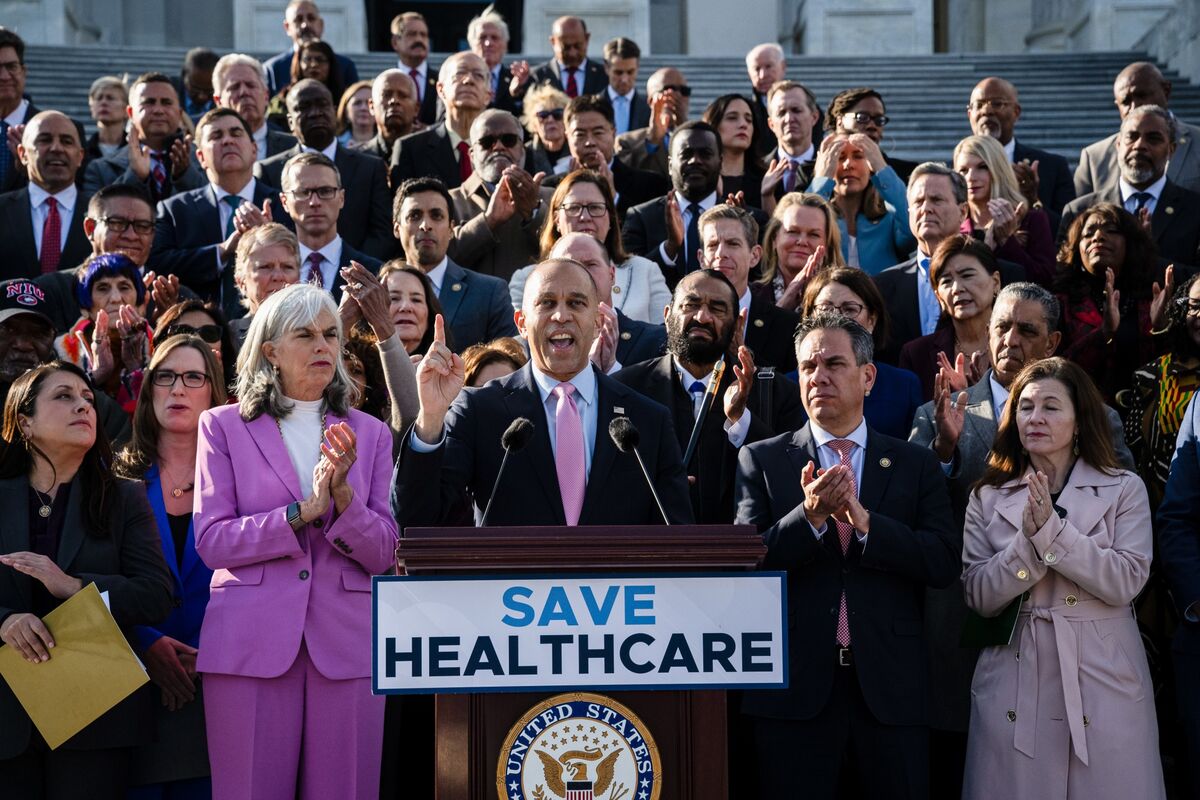
Following the resolution of the government shutdown, Republicans are now confronting a significant political risk in the upcoming midterm elections, as Democrats are set to leverage rising healthcare costs as a central campaign issue. This dynamic positions Republicans to potentially bear the blame for increasing health expenses among voters, a factor that could materially impact election results and subsequent legislative priorities concerning the healthcare sector.
The resolution of the government shutdown has immediately pivoted the political narrative towards healthcare costs, creating significant electoral risk for Republicans in the upcoming midterm elections. Democrats are strategically positioning rising healthcare expenses as a central campaign issue, aiming to attribute blame to the incumbent party. This dynamic suggests an intensified focus on healthcare policy, regardless of the election outcome, as public concern will necessitate political responses. The "moderately negative" sentiment and "uncertain" tone highlight the potential for legislative changes impacting the broader healthcare and biotech sectors. While no specific companies are mentioned, the industry as a whole faces increased regulatory scrutiny and potential policy shifts related to pricing, reimbursement, or coverage. The low market impact score of 0.25 indicates muted immediate market reactions, but long-term policy implications remain a key consideration.
AI-powered research, real-time alerts, and portfolio analytics for institutional investors.
Request DemoOverall Sentiment
moderately negative
Sentiment Score
-0.50
