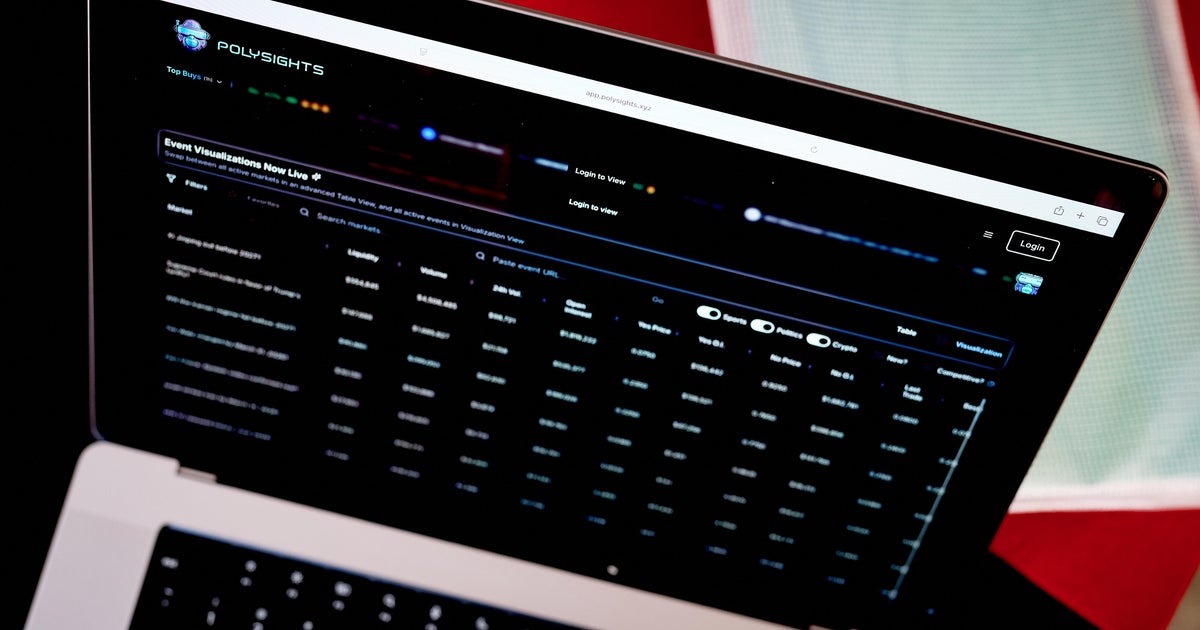
Key event: On March 24 the White House Management Office emailed staff warning that using nonpublic government information to bet on online prediction markets (e.g., Kalshi, Polymarket) is a criminal offense and violates ethics rules. The advisory followed reports of a spike in oil futures trading minutes before President Trump’s March 23 Truth Social post about postponing strikes on Iran’s power plants, prompting insider-trading concerns; White House spokespeople deny wrongdoing and referred staff to the Counsel’s Office.
This episode increases the probability that political-event information will be treated as an enforcement vector for both securities and commodities regulators, which raises compliance costs and reduces retail liquidity for lightly regulated prediction venues over the next 3–12 months. Expect a near-term flight-to-quality in venue choice: incumbent regulated exchanges (CME/ICE/CBOE) and institutional brokerage clearinghouses will capture incremental flow because they can offer surveillance, audit trails, and wash-trade defenses; roughly a 5–15% market-share reallocation in event-contract volumes over a year is plausible.
Second-order market mechanics: reduced liquidity and higher surveillance on decentralized or crypto-native markets will increase quoted spreads and realized volatility around political announcements, amplifying short-dated option premia in energy and FX markets when administration statements are expected (days-to-weeks horizon). Conversely, platforms that proactively document compliance will see commercial leverage — potential M&A or market-access deals from incumbents — creating optionality value not yet priced into small, private event-platform valuations.
Tail risks center on enforcement showdowns and legislative action that could criminalize commercialized political betting models, which would materially impair valuations of crypto-hosted marketplaces within 6–24 months. The contrarian angle: absent a provable insider-trading chain, regulators may focus on targeted sanctions rather than broad bans, so a calibrated, event-driven trade with capped downside is preferable to large directional calls on the sector.
AI-powered research, real-time alerts, and portfolio analytics for institutional investors.
Request DemoOverall Sentiment
neutral
Sentiment Score
0.00
