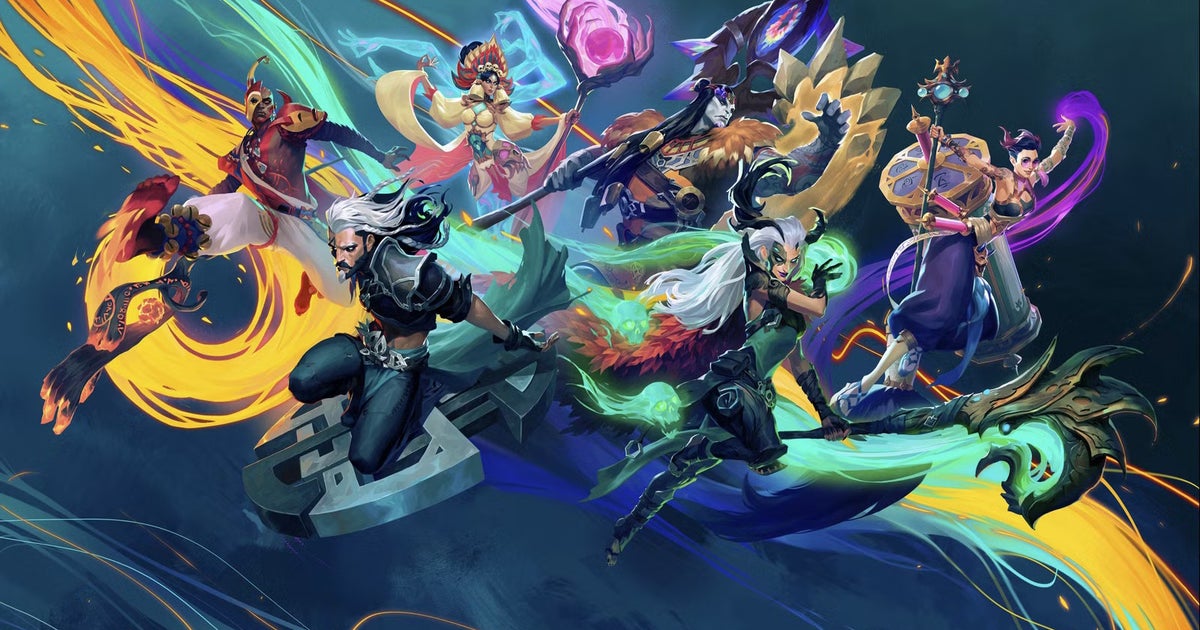
Quantic Dream is shutting down Spellcasters Chronicles just three months after launch, with servers set to go offline on June 19, 2026 and full refunds available for early access buyers. The company will begin internal reorganisation and reassign staff to other projects, while Star Wars Eclipse remains unaffected. The cancellation signals weak audience traction for the studio's first multiplayer title and a setback for its diversification strategy.
This is a signal that the economics of mid-tier premium game development remain broken unless a title can either monetize immediately at scale or be supported by a durable live-ops loop. The failure mode here is not just one product; it’s a capital allocation warning that internal R&D spend on adjacent genre expansion can become stranded when the addressable audience is mis-sized, and the cleanup cost then gets pushed into headcount reorganization rather than absorbed through growth. That typically pressures margins for the next 2-4 quarters even if revenue is largely unaffected today.
Second-order, the strongest competitive beneficiary is any publisher with proven multiplayer retention, not necessarily the biggest AAA label. Investors should infer that new-IP multiplayer launches from narrative-first studios now face a higher hurdle rate: stronger launch KPIs, heavier community spend, and more conservative content roadmaps. That raises the relative value of firms with existing live-service infrastructure and lowers the optionality premium on studios trying to “pivot” into multiplayer without an established network effect.
The more interesting read-through is to the broader quality of management execution: cancellation after launch implies either audience discovery failed badly or the company overestimated conversion elasticity from early access to full release. In both cases, the market should discount near-term confidence around the studio’s next major release until there is evidence of wishlist conversion, cohort retention, and CAC/payback discipline. The company’s commitment to redirect staff to other projects softens the immediate cash burn, but it also suggests Star Wars Eclipse remains the primary valuation anchor and the only meaningful catalyst over the next 12-24 months.
Contrarian angle: this may be less about a broad collapse in gaming demand and more about product-market mismatch in a niche title that lacked IP leverage. That means the overreaction risk is strongest in any broader selloff of single-player or narrative studios; the right short is not the whole sector, but names attempting first-time multiplayer launches without prior live-service DNA.
AI-powered research, real-time alerts, and portfolio analytics for institutional investors.
Request DemoOverall Sentiment
strongly negative
Sentiment Score
-0.58
