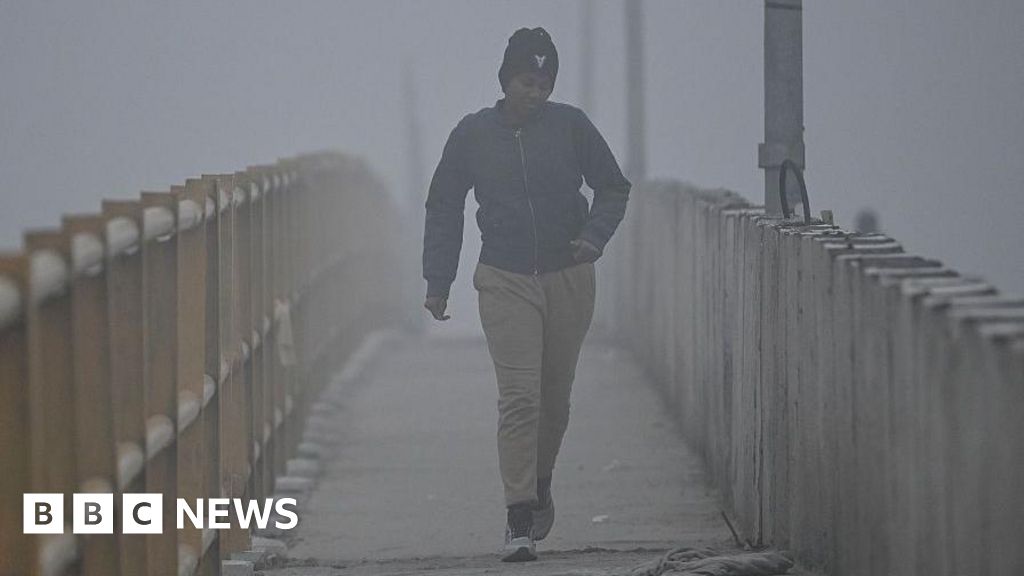
Delhi's air quality reached hazardous levels with an overall AQI of 376 (PM2.5 far above WHO limits), prompting government mandates including 50% work-from-home for public and private institutions, bans on older diesel vehicles and construction activity, and hybrid schooling. The episode, driven by industrial emissions, vehicle exhaust, stagnant meteorological conditions and seasonal crop stubble burning, represents a near-term public-health risk and potential drag on local economic activity and urban mobility while highlighting recurring regulatory responses to pollution in northern India.
Market structure: Acute winter smog (Delhi AQI 376, >25x WHO) creates clear short-term winners—air-purifier OEMs, HVAC dealers, PPE suppliers, respiratory pharmaceuticals—and losers—urban construction crews, older diesel-heavy transport fleets, outdoor hospitality/retail. Expect a seasonal revenue shift concentrated Oct–Mar; pricing power for purifiers/masks can lift gross margins near-term while construction activity and on-street vehicle utilization drop 5–15% in regulated districts. Cross-asset: transient downward pressure on urban fuel demand (order 0.5–1% national petrol/diesel consumption), small positive for defensive sovereign bonds, and higher short-dated volatility in Indian mid-cap names exposed to infra and auto sectors.
Risk assessment: Tail risks include aggressive regulatory actions (city/state diesel bans, accelerated scrap/EV subsidies) that could force rapid corporate capex and resale losses for fleets—high-impact for mid/small-cap mobility and construction firms over 3–12 months. Immediate (days): demand spike for masks/purifiers; Short-term (weeks–months): order delays, construction stoppages; Long-term (quarters–years): structural policy shifts (crop-burning regulations, urban emissions standards) changing capex and product mix. Hidden dependencies: meteorology (rain/wind) can clear AQI within 48–72 hours and reverse demand; festival timing (Diwali) is a catalyst for spikes or relief.
Trade implications: Direct plays—go long Indian-listed air-purifier/HVAC leaders (VOLTAS.NS, BLUESTAR.NS) and select hospital/pharma (APOLLOHOSP.NS, CIPLA.NS) for 1–3 month plays; short construction/infra names (LT.NS/HINDUSTANCON.NS) for 1–2 month window. Pair trade: long VOLTAS.NS 2% vs short LT.NS 1.5% to express product-demand vs project-activity divergence. Options: buy 3-month call spreads on VOLTAS.NS (pay small premium, target +15–25%) to limit downside. Entry: initiate within 7 trading days, trim at 8–12 weeks or when sustained AQI <100 for two weeks.
Contrarian angles: Consensus focuses on immediate consumer-product demand; market underestimates durable policy risk—Beijing 2013-style tightening created multi-year winners (purifier OEMs, EVs) and losers (old diesel fleets). Reaction may be underdone in large-cap HVAC names but overdone in small infra contractors where bans are temporary; mispricing window ~2–12 weeks. Unintended consequence: sustained WFH and pollution-aware real estate premium could re-rate REITs/office landlords with certified indoor-air systems—look for underappreciated long exposures.
AI-powered research, real-time alerts, and portfolio analytics for institutional investors.
Request DemoOverall Sentiment
moderately negative
Sentiment Score
-0.35
