

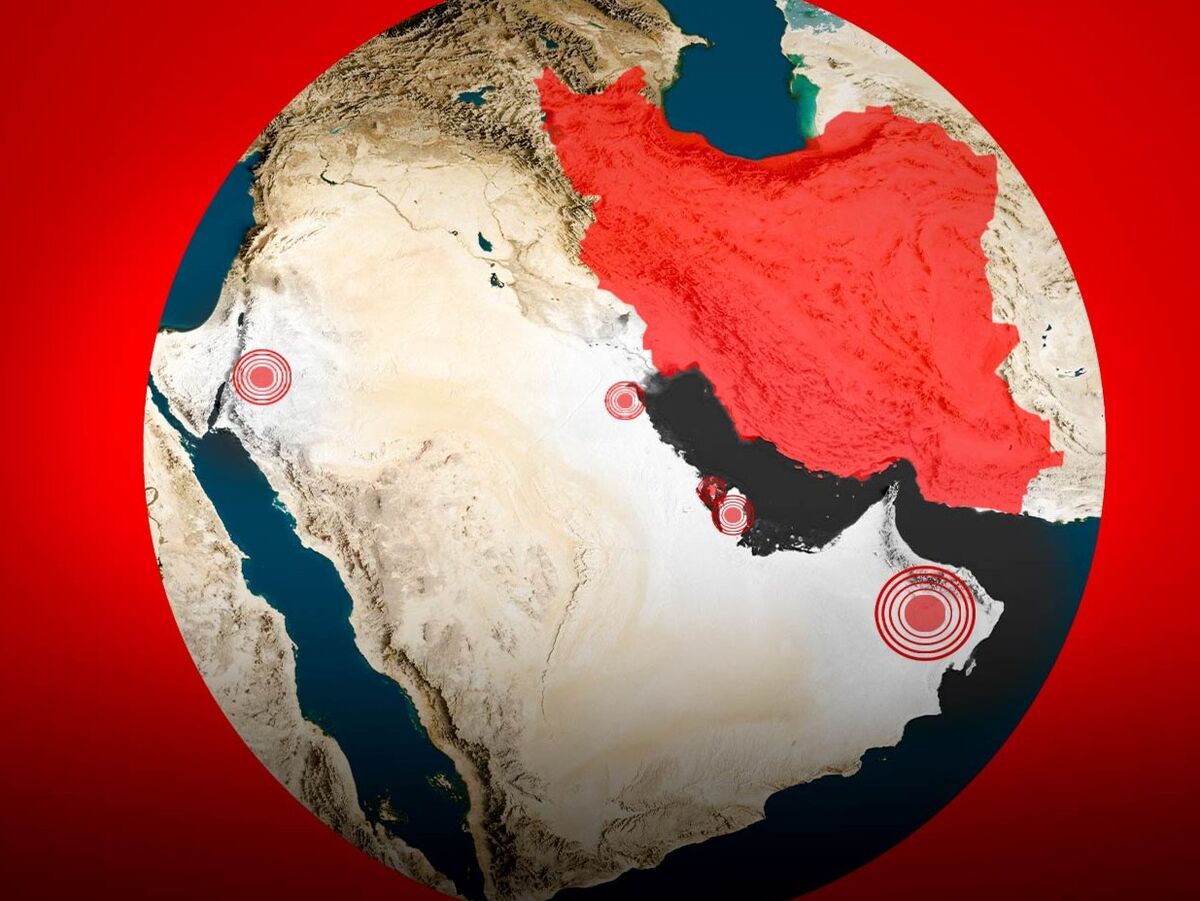
US forces struck Iran again amid Tehran’s retaliatory attacks on at least five Arab nations, while the Strait of Hormuz status remains disputed (US says it’s open; Iran says it’s closed “until further notice”). With shipping traffic almost non-existent and the threat assessed as “severe,” near-term energy/logistics risk rises. Separately, Apple sued OpenAI alleging a coordinated campaign to steal trade secrets related to upcoming products, adding legal overhang for AI IP and competitive dynamics.
The cleanest market mechanism here is not the headlines themselves, but the forced repricing of transport and input-cost risk. If maritime friction persists beyond a couple of sessions, energy, tanker rates, and defense are the obvious winners, but the bigger second-order loser set is airlines, consumer discretionary, chemicals, and any business with thin gross margins and fast inventory turns; those sectors usually feel the pain before the macro prints show it. A short-lived scare will fade quickly, but if elevated insurance/freight costs linger 1-3 weeks, the inflation impulse can rotate factor leadership toward XLE/value and away from cyclicals.
For AAPL, the lawsuit is mostly a control-and-credibility event, not a near-term earnings event. The market should care only if discovery suggests Apple is more dependent on third-party AI partners than the street thinks, or if the dispute slows product integration around the next iPhone/OS cycle; otherwise this is leverage theater with limited P&L impact. The contrarian risk is that investors overreact to the legal optics while missing that Apple’s strongest defense is ecosystem control, which can actually improve negotiating power over AI vendors.
DIS looks more like an accumulation of content-execution risk than a single-event trade. One weak release does not move the model much, but repeated studio misses can tighten management’s willingness to spend on marquee content and push more pressure onto parks and pricing. The consensus may be underweighting the broader consumer-stress linkage: if energy prices jump, discretionary spend on movies and streaming churn becomes a second-order casualty, which could matter over the next 6-18 months more than the box office print itself.
AI-powered research, real-time alerts, and portfolio analytics for institutional investors.
Request TrialOverall Sentiment
moderately negative
Sentiment Score
-0.62
Ticker Sentiment
