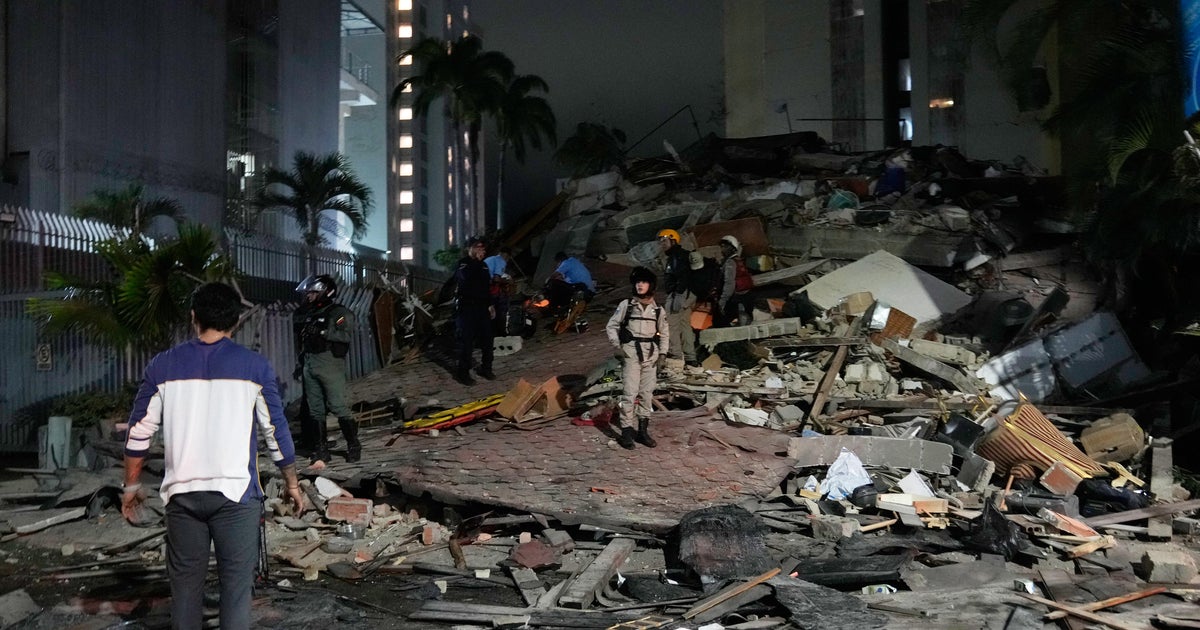
A pair of major earthquakes of magnitude 7.2 and 7.5 killed at least 235 people and injured about 4,300 in Venezuela, with officials warning the toll is likely to rise. The quakes damaged key infrastructure including Simón Bolívar International Airport, triggered evacuations and temporary tsunami advisories, and prompted U.S. relief deployment plus a temporary sanctions waiver through Oct. 23 for aid-related transactions. The event is a severe humanitarian shock with likely disruption to travel, infrastructure, and local economic activity.
The first-order market impact is not the humanitarian event itself but the forced repricing of country-risk and logistics optionality around Venezuela. A disaster this visible increases the probability of a temporary thaw in sanctions enforcement and emergency exemptions, which can create a short-lived window for commodities, shipping, and services providers with legal/operational flexibility. The bigger second-order effect is infrastructure fragility: airport closure, telecom disruption, and damaged roads can delay inbound relief, but also expose how thin the country’s already degraded distribution network is, raising the odds that any recovery spending leaks into inflated procurement, cash distribution, and parallel logistics channels.
For EM assets, the real signal is that the quake amplifies an already precarious sovereign balance sheet by forcing unplanned fiscal outlays while reducing near-term economic activity. That tends to widen spreads not just for Venezuela-adjacent paper, but for lower-quality Latin American credits if investors start extrapolating disaster-response slippage into governance risk. If relief coordination works quickly, the initial risk-off impulse can reverse within days; if aftershocks or poor logistics create visible bottlenecks, the trade shifts from headline-driven to multi-week deterioration in local confidence and diaspora remittance flows.
The contrarian angle is that the immediate “sanctions waiver = bullish Venezuela recovery” narrative is likely overstated. Relief exemptions usually benefit a narrow set of counterparties and do little for investable domestic equities because execution risk, corruption leakage, and physical infrastructure damage dominate. What is more likely underappreciated is the knock-on demand for emergency comms, temporary power, portable water, and defense/logistics contractors with deployable capability; those are the areas where spending can scale quickly and margins can remain intact.
The main tail risk over the next 1-3 weeks is a perception event: if casualty counts rise or images of stranded aid emerge, markets may price in broader regional instability and headline pressure on Washington to keep the exemption broader for longer. Over 1-3 months, the question becomes whether reconstruction spending is financed through opaque channels that crowd out formal imports, creating local shortages and social unrest even as outside aid flows increase.
AI-powered research, real-time alerts, and portfolio analytics for institutional investors.
Request DemoOverall Sentiment
extremely negative
Sentiment Score
-0.95
