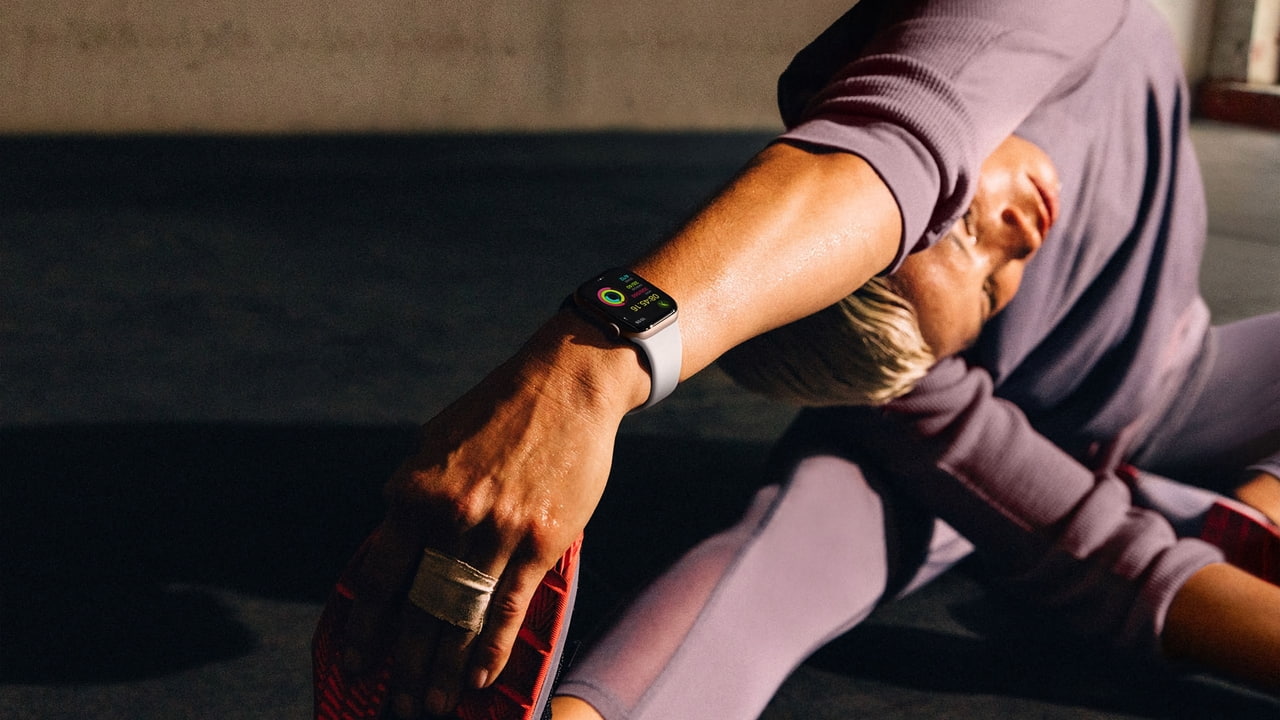
Apple is facing mounting pressure in wearables as consumers shift toward screenless fitness devices from Oura and Whoop, while Apple’s Health app and new hardware efforts lag. The company scaled back its AI health coaching project Mulberry, and watchOS 27 is expected to focus mainly on stability and refinements rather than major features. Ongoing turnover in Apple’s health division and a reshuffle of leadership over Apple Watch, health products, and glucose monitoring add execution risk.
The market implication is not just that Apple is losing mindshare in wearables; it’s that the category is bifurcating into premium hardware as a data-collection layer and AI coaching as the monetization layer. That is structurally adverse for AAPL because it turns the Apple Watch into a mature endpoint with weaker upgrade urgency, while more differentiated value accrues to brands that own behavioral loops and subscription ARPU. The second-order effect is a widening gap in ecosystem stickiness: if users get their “insights” elsewhere, Apple’s Health app risks becoming a commodity dashboard rather than the center of the daily habit loop.
Near term, the more important risk is execution slippage into the next major product cycle. A delayed or watered-down AI health initiative means the company is effectively defending share with incremental refinements while competitors keep compounding their datasets and coaching algorithms. That creates a three-year problem, not a three-week one: wearables are a retention funnel into services, and missing the category shift could eventually pressure both device renewal rates and downstream services engagement. The management turnover matters because it raises the probability of strategy drift right as the category is being redefined.
For GOOGL, this is a small but real optionality gain. A screenless Fitbit-style product would not be a standalone swing factor, but it would fit Google’s broader thesis of using AI to convert passive data into behavior change; the company can tolerate slower hardware economics if it deepens Android ecosystem lock-in. The contrarian view is that Apple may be underappreciated if glucose monitoring or a credible AI coaching product lands, because the installed base gives it the fastest distribution path in consumer health. But that upside is asymmetrically dependent on product timing, and right now the burden of proof sits with Apple.
AI-powered research, real-time alerts, and portfolio analytics for institutional investors.
Request DemoOverall Sentiment
mildly negative
Sentiment Score
-0.35
Ticker Sentiment
