
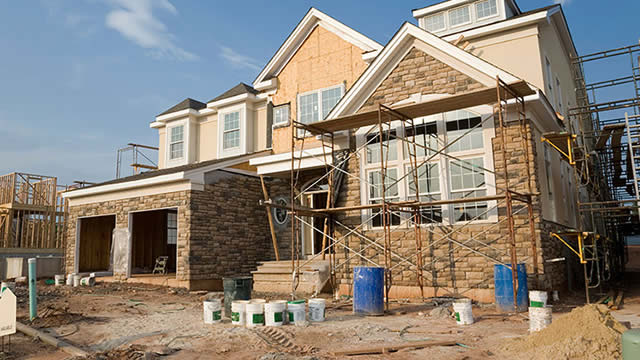
Barratt Redrow approved a £400m shareholder payout, including a shift to replacing most of its dividend with share buybacks after ending the year with net cash of ~£772m, ahead of expectations. The move drew broad support in the City, but brokers cautioned the housebuilder likely faces another year of profit-margin pressure.
The main mechanism here is not the payout itself but the signal that Barratt can still return capital while preserving balance-sheet flexibility. That supports a near-term rerating because buybacks mechanically lift per-share metrics and can absorb selling from income-focused holders forced out by a dividend reset. But it does not solve the core issue: housebuilders are still facing a margin squeeze from affordability-driven incentives, and that pressure typically lags volume weakness by a few quarters.
The second-order read-through is more important for the sector than for BTDPF alone. If one of the better-capitalized UK builders is prioritizing repurchases over payout yield, peers with weaker balance sheets may feel pressure to defend capital discipline rather than chase volume, which could keep land bidding rational and prevent a broader price war. On the other hand, suppliers and subcontractors should not read this as a demand recovery signal; it is more likely a reflection of capital intensity falling at the same time that end-market pricing power remains weak.
The contrarian point is that the market may be overrewarding financial engineering and underweighting the duration of margin pressure. A net-cash position gives flexibility, but if mortgage rates stay sticky and pricing incentives remain elevated, buybacks can become a late-cycle use of capital rather than a catalyst for fundamental upside. The key falsifier over the next 1-3 months is any downgrade to forward margins or a reversal in cash generation; over 6-18 months, the thesis breaks if UK rate cuts fail to revive transaction volumes and reservation trends.
AI-powered research, real-time alerts, and portfolio analytics for institutional investors.
Overall Sentiment
mildly positive
Sentiment Score
0.25
Ticker Sentiment
