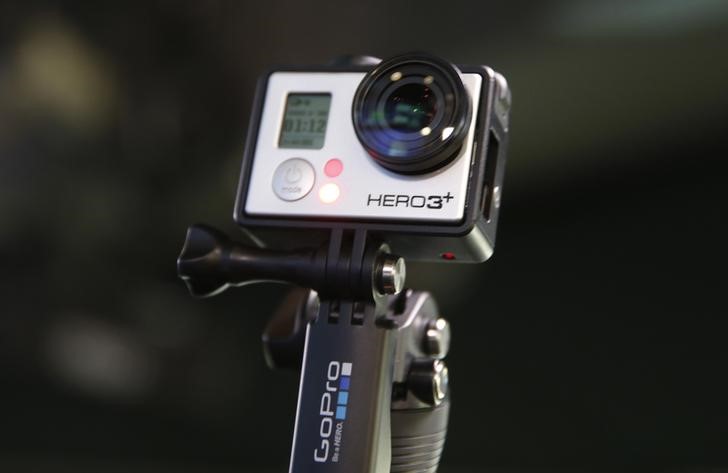
GoPro retained Houlihan Lokey to evaluate a potential sale and other strategic alternatives after receiving unsolicited interest, but no timetable or transaction decision has been set. The company also reported Q1 2026 results that missed estimates badly, with EPS at -$0.35 versus a -$0.04 consensus and revenue of $99 million versus $137.54 million expected. Shares have been highly volatile, including a 19% decline over the past week, as investors weigh the strategic review against weak fundamentals.
The strategic-review setup creates a classic optionality trade: the equity is no longer just a weak hardware story, it’s now a near-term event-driven instrument with a cap-table reset possibility. The key second-order effect is that any buyer will underwrite the asset less on current earnings power and more on the brand/IP plus installed-base monetization, which materially improves the odds of a transaction relative to a clean DCF; that said, the timeline is likely measured in months, not weeks, and headline-driven squeezes can reverse quickly if no binder emerges.
The biggest loser is not only existing equity holders if the process stalls, but also competitors and channel partners who may face a distracted management team and inventory caution into the holiday ordering cycle. For HLI, the direct benefit is less about one mandate and more about the optionality embedded in a defense/consumer crossover advisory reputation; if this process broadens into asset sales or a financing-led restructuring, it strengthens their pitch for similarly distressed, brand-heavy consumer names.
Consensus may be underestimating how poor recent operating prints change bidder behavior: weak standalone numbers reduce any control premium unless there is a credible path to cost-out and working-capital extraction. In other words, the market may be overpricing “sale equals rescue”; the more likely outcome is a modest premium over current levels, with real upside only if a strategic buyer values the platform as a bolt-on to content, accessories, or defense-adjacent imaging use cases. The main tail risk is that the process becomes a drawn-out default narrative, where equity bleeds as cash burn forces more dilutive choices before any transaction closes.
AI-powered research, real-time alerts, and portfolio analytics for institutional investors.
Overall Sentiment
mildly negative
Sentiment Score
-0.35
Ticker Sentiment
