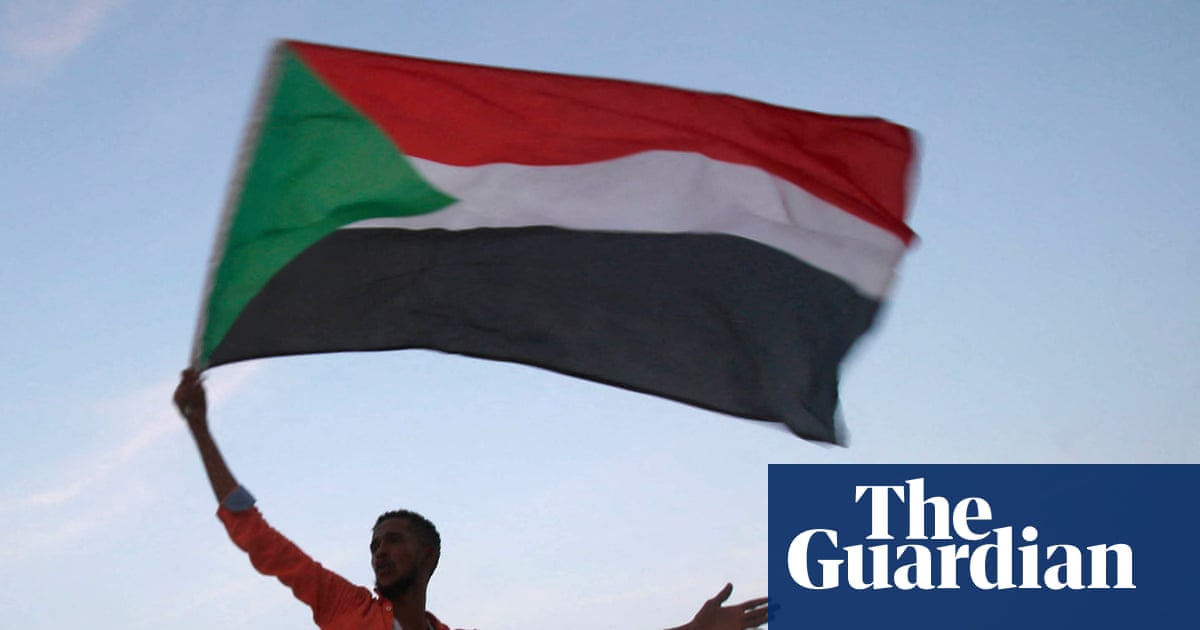
Sudan’s war is entering its fourth year with more than 19 million people facing acute hunger, while humanitarian funding stands at just 16% of what is needed and UN reports nearly 700 civilians killed in drone strikes since January. The Berlin conference is expected to deliver new aid, including the UK doubling support to £15m, but analysts see little chance of a meaningful political breakthrough. The conflict appears likely to worsen, especially in Kordofan, with escalating drone use reducing the odds of a seasonal pause in fighting.
The marketable takeaway is not a peace-premium event; it is a duration-of-conflict shock that raises the probability of a broader regional spillover. The most immediate second-order effect is on food, logistics, and security costs across the Red Sea–Sahel corridor: prolonged fighting and drone adoption make aid delivery structurally more expensive, which can quietly tighten margins for any EM-exposed logistics, insurance, and commodity transport names with Sudan-adjacent routes. The lack of a credible diplomatic bridge also means headlines can improve or worsen sharply around conference dates, but the underlying cash-flow impact for public markets is likely to show up through higher risk premia rather than direct earnings hits.
The bigger macro signal is that Sudan is moving from a headline war to a chronic instability regime, which tends to be more damaging for neighboring sovereigns than for global risk assets. That raises the odds of incremental pressure on Egypt, Chad, South Sudan, and Red Sea shipping-insurance pricing if violence migrates or refugee flows accelerate; those effects matter over months, not days. For defense and drone-linked supply chains, the key point is that continued proliferation of low-cost UAVs in a low-visibility conflict will keep validating asymmetric warfare doctrine, benefiting Western counter-UAS and ISR vendors more than traditional armored platforms.
The contrarian angle is that the funding shortfall and diplomacy fatigue may actually cap market attention, creating an under-owned angle in humanitarian-adjacent infrastructure and security. If ceasefire probability remains low through the rainy season, the market could begin pricing a multi-quarter deterioration in regional credit quality and logistics disruption rather than a one-off humanitarian tragedy. That would favor selective longs in defense tech and counter-drone suppliers, while anything exposed to East African corridor stability should be treated as a latent short until field conditions improve.
AI-powered research, real-time alerts, and portfolio analytics for institutional investors.
Request TrialOverall Sentiment
strongly negative
Sentiment Score
-0.82
