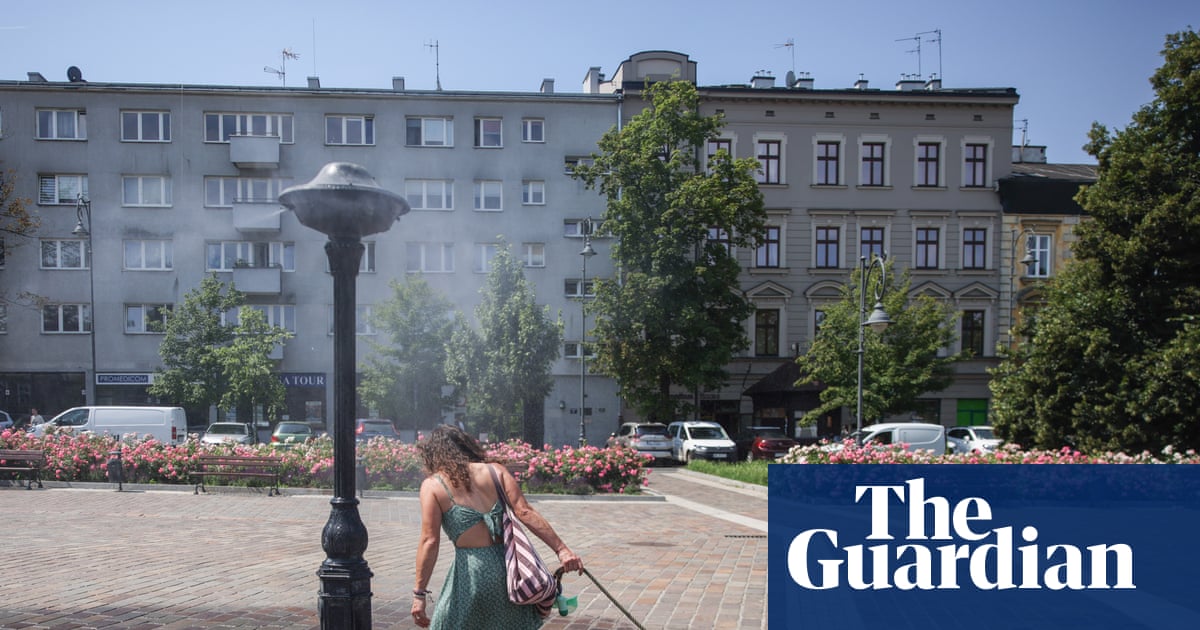
A severe European heatwave pushed temperatures above 40C in Germany, Czechia, Poland and Hungary, with record highs of 41.7C in Germany, 40.5C in Poland, 40.7C in Hungary and 41.9C in Czechia. The event has already caused major disruption, including fires, evacuations, rail travel warnings, storm-related power outages, and preliminary estimates of at least 327 heat-linked deaths in Spain and 1,000 excess deaths in France between 24 and 27 June. The article points to broad public-health stress and operational disruption across transport, emergency services and infrastructure.
The immediate market read is not just ‘hot weather’ but a temporary stress test for European operating leverage. The first-order damage is on transport reliability, labor productivity, and municipal infrastructure; the second-order effect is that insurers, utilities, and logistics operators with exposed networks can see claims and service disruption compound over several days even after temperatures normalize. The more interesting trade is that this kind of heatwave tends to front-load volatility into assets with weak physical redundancy: rail, urban mobility, and any business dependent on just-in-time delivery across Central Europe.
Germany and its neighbors now face a distinct tail-risk regime: heat increases wildfire probability, and the munitions contamination issue raises the cost and duration of suppression. That combination can create a self-reinforcing outage cycle around transport corridors, especially if fires force temporary rail detours or rolling restrictions near industrial hubs. For Deutsche Bahn specifically, the problem is less one day of lower passenger volumes and more a multi-week hit to punctuality, maintenance spend, and reputational leakage to car/air/coach alternatives.
The health data is the bigger macro tell: the mortality signal implies emergency services and hospitals remain strained even after peak temperatures pass, which usually extends the economic drag beyond the weather window. In a region already sensitive to labor shortages, there is a real possibility of absenteeism and reduced throughput in construction, manufacturing, and warehousing for 1-3 weeks. The contrarian point is that markets often underprice the duration of these events because the visible heat dissipates faster than the operational backlog.
From a catalyst standpoint, the next 5-10 days matter more than the next quarter: if storm damage, fires, and service outages stack on top of the heat, the headline risk can broaden into travel demand weakness and higher claim frequency. If temperatures retreat sharply and no major infrastructure incidents emerge, the trade should unwind quickly; otherwise, expect a second-round repricing in transport and insurance names once claims and punctuality data start printing.
AI-powered research, real-time alerts, and portfolio analytics for institutional investors.
Request DemoOverall Sentiment
strongly negative
Sentiment Score
-0.70
Ticker Sentiment
