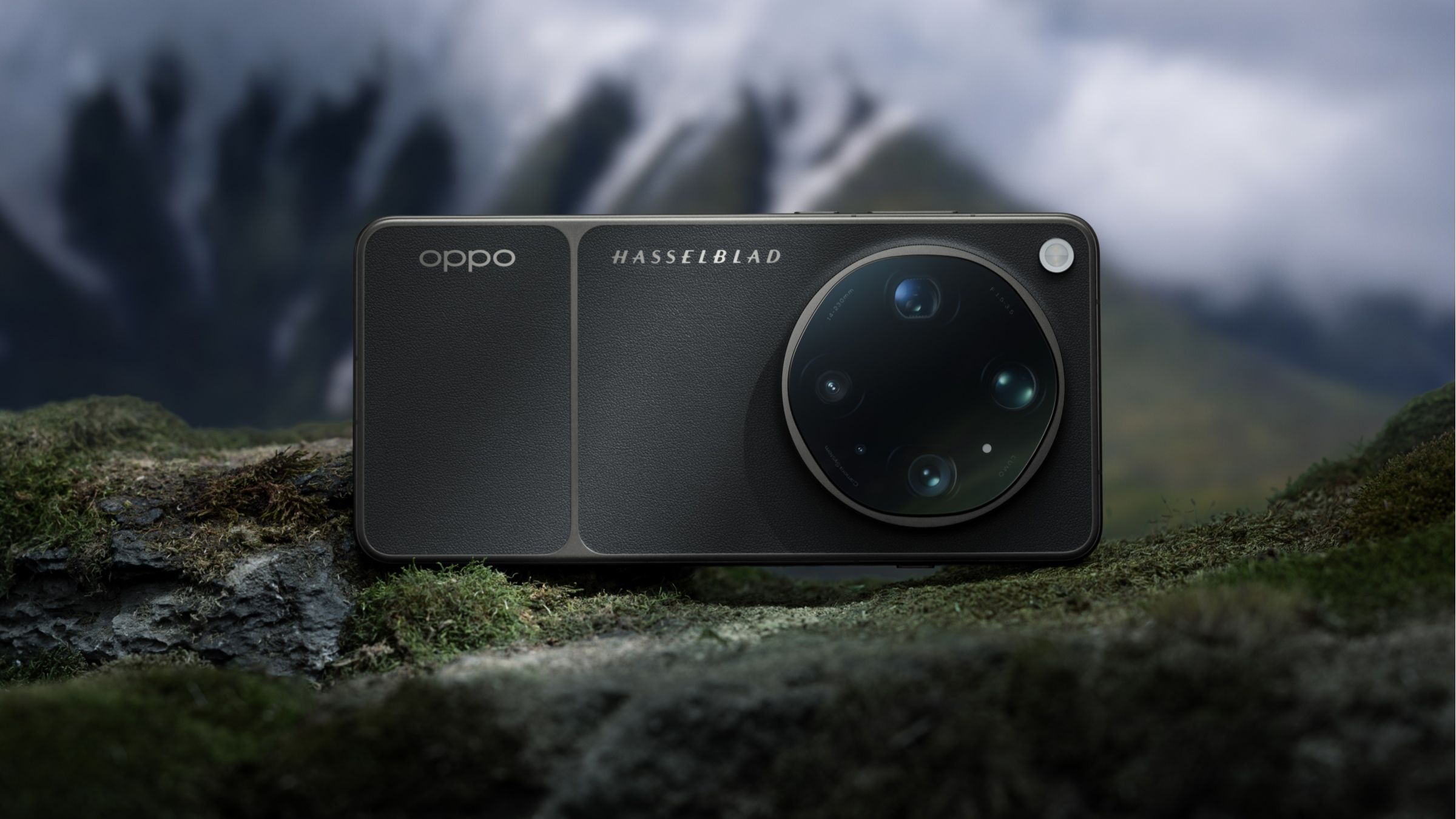
Oppo officially launched the Find X9 Ultra, its most ambitious camera phone yet, and is taking the Ultra model global for the first time. The device features a five-camera Hasselblad co-developed system, including a 200MP main sensor, a 200MP 3x telephoto, and a world-first 50MP 10x optical telephoto, plus flagship specs such as a Snapdragon 8 Elite Gen 5, a 6.82-inch 144Hz QHD+ display, and a 7,050mAh battery. It will launch May 8 in the UK, Europe, and most global markets outside North America, starting at £1,449.
This is less a handset story than a premiumization signal for the Android ecosystem. Oppo is trying to convert camera leadership into ASP expansion, and if it works outside China it pressures the entire high-end Android tier to spend more on optics, sensor suppliers, and computational imaging—raising bill-of-materials intensity just as hardware differentiation elsewhere is getting harder. The near-term beneficiary is Qualcomm because the value proposition here depends on sustained on-device compute for HDR, video workflows, and AI-assisted imaging; that supports top-end silicon attach even if unit growth is modest.
The bigger second-order effect is on Sony’s mobile imaging stack. A successful global launch validates very large sensors in thin form factors, which is supportive for Sony’s sensor roadmap and bargaining power with OEMs competing on camera performance. But it also increases concentration risk: if consumers begin to treat camera phones as interchangeable “good enough,” feature inflation could compress OEM margins faster than it drives volume, especially in Europe where premium Android demand is already price sensitive.
The contrarian read is that this may be more of a halo product than a revenue driver. Global availability matters, but North America exclusion caps the addressable premium market and reduces the chance this becomes a true category breakout. The accessory ecosystem is important: add-on lenses and rigs can create a higher-margin ecosystem narrative, but they also hint the core phone alone may not fully justify the premium for most buyers. If camera benchmarking drives reviews rather than sell-through, the move is more reputation accretive than earnings accretive over the next 1-2 quarters.
Risk to the thesis is execution: any software instability, overheating under sustained video capture, or battery degradation narrative would quickly undermine the premium camera story. Conversely, if early reviewer consensus crowns it category-leading, expect a short-lived halo trade in suppliers and a broader repricing of Android premium camera expectations over the next 1-3 months.
AI-powered research, real-time alerts, and portfolio analytics for institutional investors.
Request DemoOverall Sentiment
moderately positive
Sentiment Score
0.62
Ticker Sentiment
