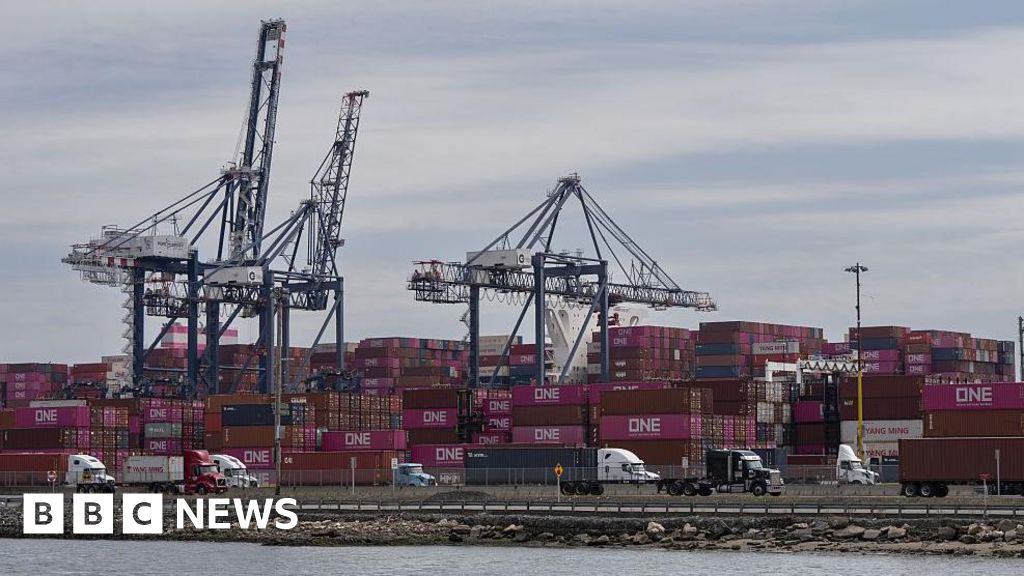
President Trump signed an executive order effective August 29, eliminating the global de minimis tariff exemption for goods valued at $800 or less, which previously allowed tariff-free entry for low-cost imports. This action expands a prior measure targeting China and Hong Kong to now include all countries, significantly accelerating a Congressional plan to end the exemption. The White House justified the move by citing concerns over tariff evasion and the illicit entry of synthetic opioids, impacting online retailers and consumers of cheap foreign goods.
The executive order effective August 29 eliminates the global de minimis tariff exemption, a significant acceleration of a policy shift originally slated for July 2027 by Congress. This rule change subjects all imported goods valued at $800 or less to standard tariffs, expanding a previous restriction on Chinese and Hong Kong goods to a global scale. The move directly challenges the business models of low-cost e-commerce platforms like Shein and Temu, which have leveraged the exemption to offer highly competitive pricing to US consumers. While the White House cited national security concerns, including the flow of synthetic opioids and tariff evasion, the primary economic effect will be increased costs for a wide range of imported consumer goods. This policy will likely lead to price inflation for consumers and create operational headwinds for companies reliant on high-volume, low-value cross-border shipments from various countries, including significant sources like Canada and Mexico.
AI-powered research, real-time alerts, and portfolio analytics for institutional investors.
Request DemoOverall Sentiment
mixed
Sentiment Score
-0.15
