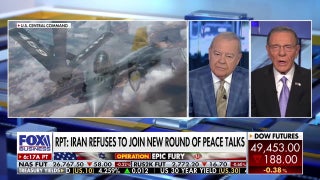
Gasoline prices in the U.S. are averaging $4.04 per gallon, while President Trump said prices should fall "as soon as" the Strait of Hormuz blockade clears and rejected Energy Secretary Wright's view that sub-$3 gas may not return until late this year or next. Wright said fuel prices have likely peaked and will decline if the conflict is resolved; Treasury Secretary Bessent also said the administration will monitor gas stations for price increases and make them "keep ... honest" on the way down. The article ties U.S. pump prices directly to Iran-related supply risk and broader geopolitical disruption in oil markets.
The market is being asked to price a political promise, not a durable supply-demand shift. That matters because retail fuel prices usually lag wholesale moves, so even if crude rolls over quickly, the consumer-facing print may remain sticky for weeks; this creates a window where policymakers can claim success before the pump follows, but also where station-level margins can compress if operators fail to pass through declines in time. The immediate read-through is negative for downstream and retail-fuel names with high regional exposure, especially those with less pricing power and shorter inventory turn.
The more interesting second-order effect is that a fast reversal in crude can punish the high-beta parts of the energy complex first, while integrated majors are partially cushioned by refining and trading. SUN, SHEL, and DINO look vulnerable if the market starts to believe a quick normalization in gasoline is coming, because the narrative shifts from scarcity to margin compression and inventory revaluation. If the Strait of Hormuz premium comes out of the tape, the unwind can be abrupt: front-month crude tends to reprice faster than pump data, so equities can gap before fundamentals fully register.
The contrarian risk is that consensus may be underestimating the persistence of regional gasoline tightness even if headline crude softens. Coastal markets can stay elevated due to logistics and local blending constraints, which means the political pressure may keep retail pricing in the spotlight longer than commodity traders expect. That argues for a two-stage trade: first reaction is downside in downstreams, but if crude retraces without a matching decline in retail demand, crack spreads can stabilize and punish aggressive shorts.
AI-powered research, real-time alerts, and portfolio analytics for institutional investors.
Request DemoOverall Sentiment
neutral
Sentiment Score
0.05
Ticker Sentiment
