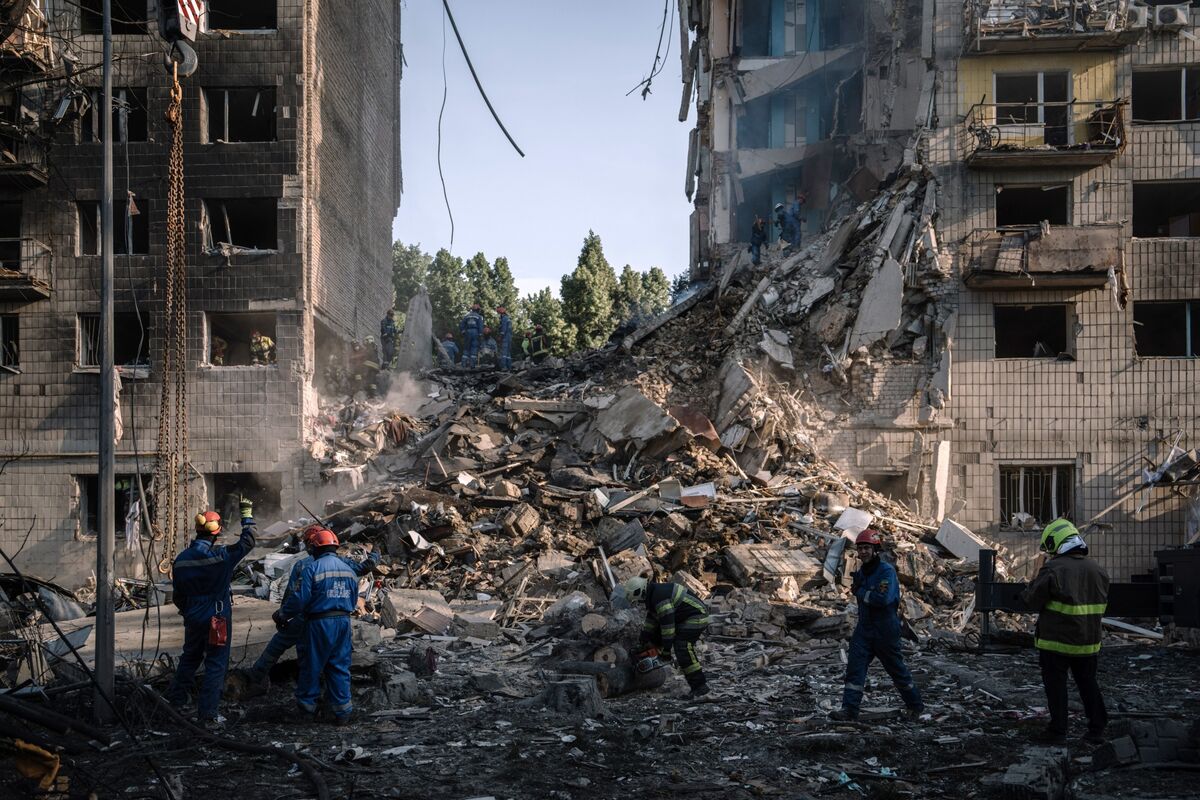
Russian President Vladimir Putin stated his war goals in Ukraine are unchanged, dismissing US pressure for a ceasefire and rejecting former President Donald Trump's recent call for a truce. Putin's declaration signals a continued military approach and no immediate prospect of de-escalation in the conflict, despite international efforts.
Russian President Vladimir Putin's reaffirmation of unchanged war goals in Ukraine and his dismissal of US pressure for a ceasefire signal a continuation of the conflict with no immediate prospect for de-escalation. This development, characterized by a moderately negative sentiment and a high degree of uncertainty, injects significant geopolitical risk into global markets, as reflected by a market impact score of 0.6. The rejection of a truce proposal from former President Donald Trump further entrenches the military stalemate. For investors, this solidifies the conflict as a persistent factor driving volatility and influencing key sectors, particularly energy, agriculture, and defense, by ensuring that related supply chain disruptions and risk premiums are likely to remain elevated.
AI-powered research, real-time alerts, and portfolio analytics for institutional investors.
Request DemoOverall Sentiment
moderately negative
Sentiment Score
-0.50
