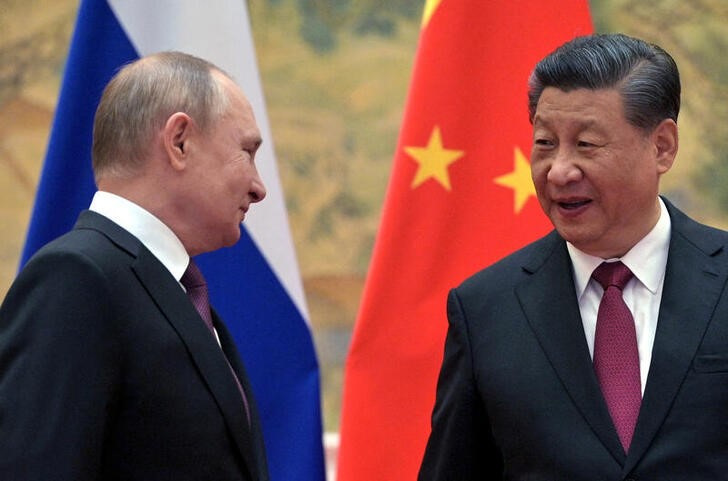
Oil prices dipped as Trump-related geopolitical comments outweighed the absence of a finalized Russia-China gas pipeline deal. The article highlights a still-unresolved Power of Siberia 2 project, ongoing Russia-China energy coordination, and continued sanctions pressure on Russia’s access to advanced chips. Markets may focus on the supply outlook for crude and gas, but the article itself contains no new concrete deal or volume figures beyond the pipeline discussion.
The market is treating this as a soft geopolitical headline, but the bigger second-order effect is that it reduces the probability of a near-term supply reset from Russia toward the West. If Moscow can deepen industrial and financing ties with China while keeping crude flowing east, the marginal buyer of Russian barrels becomes more entrenched, which supports Asia-linked grades and keeps seaborne balances tighter than headline demand alone implies.
The pipeline non-decision matters more than the communiqué: without a binding gas route, Russia still lacks a fast path to monetize gas at scale, so it remains incentivized to maximize liquid exports and discount them aggressively. That means pressure on LNG-linked benchmarks may persist, but the real medium-term winner is Chinese bargaining power — Beijing can extract better terms from Russia while preserving optionality on pipeline and LNG supply. Energy investors should view any dip in oil as likely technical unless there is a credible Western policy response or a demand shock.
The AI/chips angle is a hidden beneficiary/loss vector. If Russian AI deployment shifts toward Chinese semiconductors, it creates a small but important demand signal for China’s domestic chip stack and a sanctions-evasion test case that could accelerate gray-market routing. For U.S. semis and defense names, the implication is not immediate revenue loss but higher export-control friction and more aggressive compliance risk over the next 3-12 months.
Consensus looks too comfortable that diplomatic optics equal incremental stability. The opposite may be true: a tighter Russia-China operational relationship can prolong the conflict economy, sustain defense spending, and keep commodity sanctions leaky, which is supportive for commodity volatility rather than lower prices. The near-term downside to oil is therefore probably capped unless a separate demand-side catalyst appears; the larger risk is an eventually sharper upward repricing when the market realizes supply has not truly loosened.
AI-powered research, real-time alerts, and portfolio analytics for institutional investors.
Request DemoOverall Sentiment
mildly negative
Sentiment Score
-0.15
