

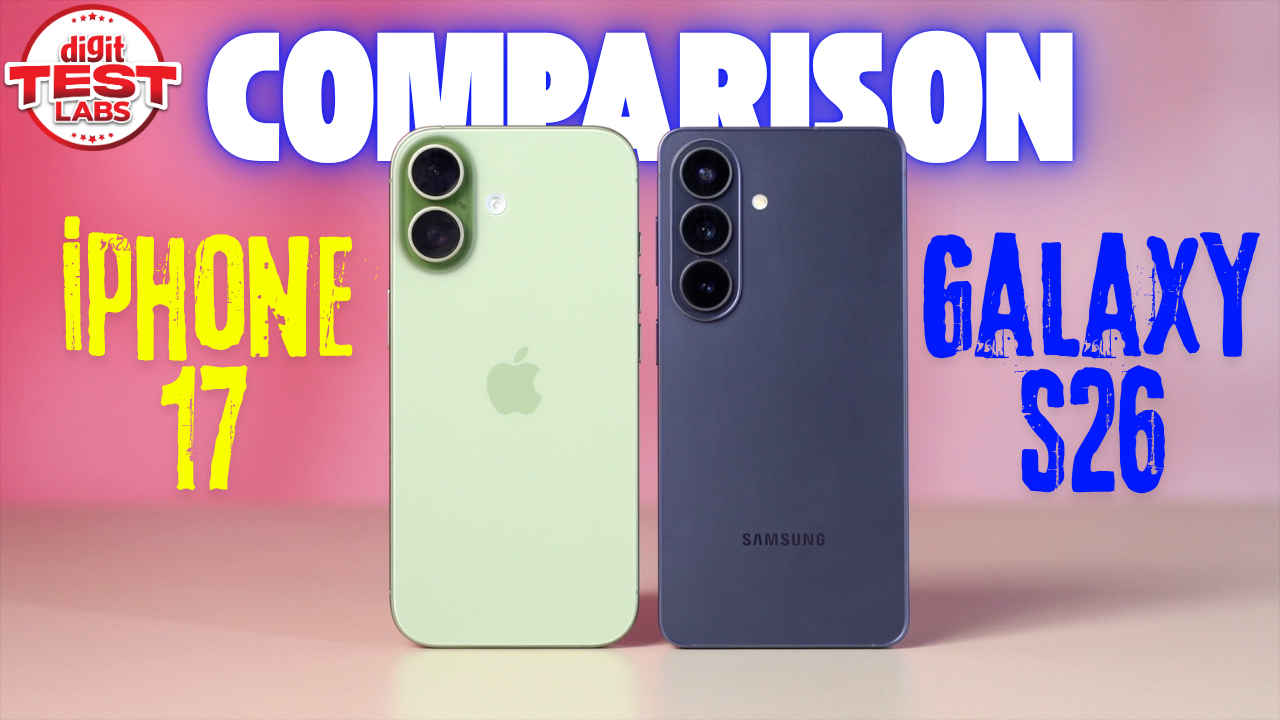
The article compares Samsung’s Galaxy S26 and Apple’s iPhone 17, highlighting that both are now more competitive base-model flagships. iPhone 17 gains a 120Hz display, stronger battery life, and improved performance, while Galaxy S26 leads on brightness, raw performance, camera versatility, and AI features. Overall, the piece is a product-focused consumer review with limited direct market impact.
The key equity takeaway is not that one handset is “better,” but that Apple has materially reduced the upgrade penalty on the base iPhone while Samsung is leaning harder into feature density. That narrows the behavioral gap between a mainstream iPhone buyer and a Pro-upgrade buyer, which is incrementally supportive for AAPL mix: a larger share of users can justify staying in the standard tier without feeling under-specced. The second-order effect is a softer cannibalization risk inside Apple’s own lineup, while Samsung’s differentiation may keep it competitive in enthusiast segments but does less to expand the total premium Android market.
From a demand perspective, the article points to a subtle but important shift: AI is becoming a utility layer, not a killer app. Samsung’s practical AI feature set could improve retention and perceived value over the next 2-4 quarters, but it does not yet imply a hardware supercycle; the marginal upgrade driver remains display, battery, and camera deltas. For GOOGL, the more interesting implication is distribution: if Samsung’s implementation of Google’s search and assistant surfaces is deeper and more habitual, Google keeps its search and discovery funnel embedded in premium Android usage, supporting query volume even if Samsung owns more of the user experience.
The contrarian view is that Apple’s “catch-up” on refresh rate and battery may be more important than Samsung’s spec lead. In mature smartphone markets, removing frustration often monetizes better than adding capability, and that favors the brand with the stronger ecosystem lock-in and resale value. The real risk to the bullish AAPL read is not handset comparison, but whether consumers delay upgrades after this year’s buy-in, pushing demand into a longer replacement cycle over the next 12-18 months.
AI-powered research, real-time alerts, and portfolio analytics for institutional investors.
Overall Sentiment
neutral
Sentiment Score
0.15
Ticker Sentiment
