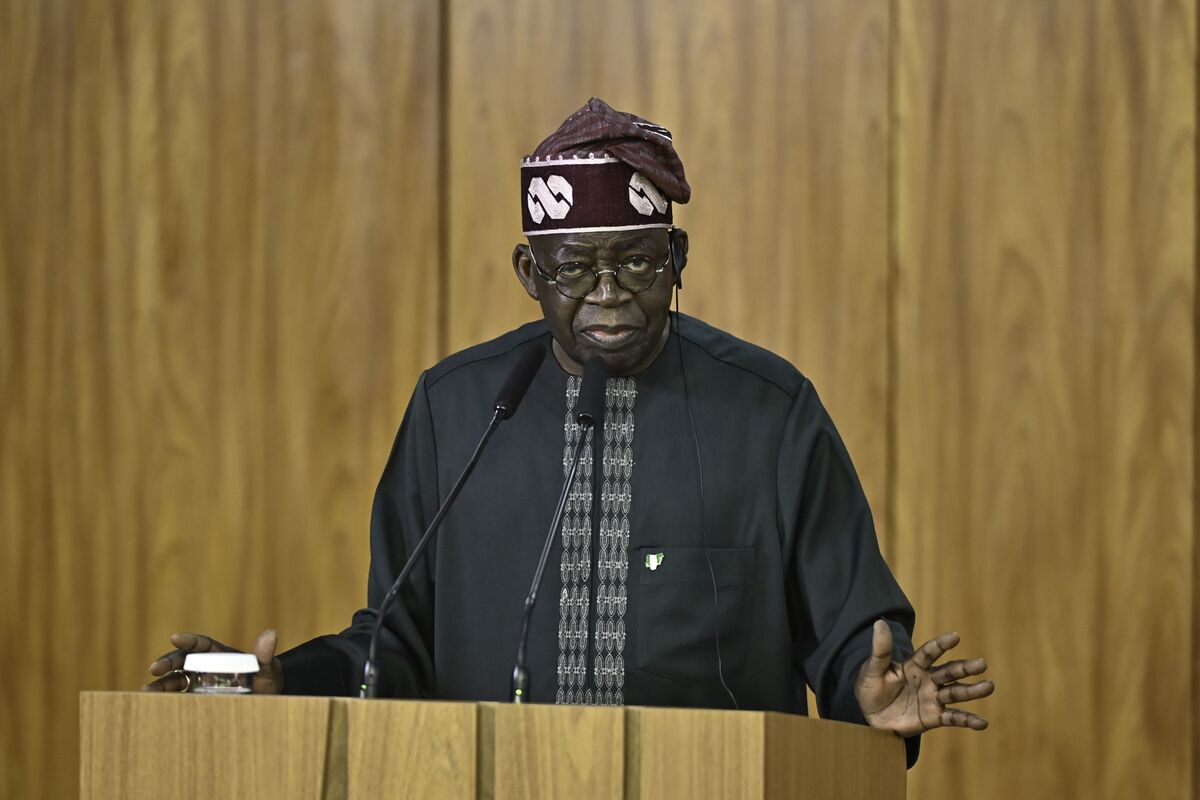
President Bola Tinubu announced that Nigeria's economy has 'turned the corner' after almost three years of reforms, citing accelerating growth, slowing inflation, and declining debt costs. Since taking office in May 2023, his administration has implemented critical measures including eliminating fuel subsidies, overhauling tax laws, and boosting crude output by improving security, signaling a new economic era for Africa's largest oil producer.
Nigeria is signaling a significant economic policy shift under President Bola Tinubu, who asserts the nation's economy has 'turned the corner' following major structural reforms implemented since he took office in May 2023. The administration has taken decisive steps, including the politically sensitive elimination of long-standing fuel subsidies, an overhaul of tax laws, and measures to improve security in oil-producing regions to bolster crude output. These actions are reportedly yielding positive macroeconomic results, with the government citing accelerating GDP growth, slowing inflation, and declining sovereign debt costs. For Africa's largest oil producer, these reforms represent a pivotal move towards fiscal consolidation and improved foreign exchange generation, directly addressing key investor concerns about the country's financial stability. The narrative presented is strongly optimistic, framing the current challenges as necessary 'pains' for a more stable and attractive investment environment, which could mark a new era of market-oriented policy.
AI-powered research, real-time alerts, and portfolio analytics for institutional investors.
Request DemoOverall Sentiment
strongly positive
Sentiment Score
0.80
