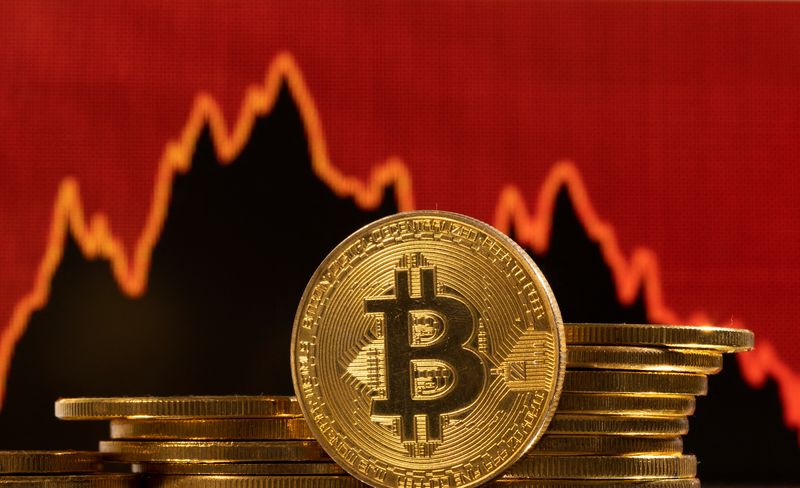
Bitcoin traded near $70,675.7 (-0.3% intraday) after dipping to $68,814.4, pressured by a brief Brent crude spike to ~$119/bbl that later eased below $110. The Federal Reserve kept rates unchanged but signalled that energy-driven inflation risks could delay rate cuts, sustaining a hawkish outlook and weighing on risk assets. Ethereum fell 2.1% to $2,143.92, XRP -0.7% to $1.43, while most altcoins remained muted as volatility and geopolitical concerns drove a risk-off tone.
A crude-driven volatility spike now functions as a synchronizer for cross-asset deleveraging: sudden oil moves force margin calls in energy-linked credit and raise USD funding stress that cascades into crypto futures and leveraged alt positions. Expect realized correlation between BTC and risk assets to roughly double for the first 3–5 trading days after a supply shock, increasing the likelihood of short-term liquidity-driven drawdowns rather than fundamental re-pricing of digital-assets.
The Fed’s stickier-for-longer messaging lengthens the horizon where discount rates and financing costs matter for risk assets; miners and collateralized crypto lenders are more vulnerable than spot holders because higher rates compress debt capacity and widen maintenance-margin bands. Conversely, any credible, durable easing of regional supply risk (diplomatic or physical reopening of sanctioned barrels) would likely trigger a rapid one- to three-week rebound in risk appetite as energy-premium compression feeds through to carry trades and stablecoin inflows.
Key catalysts to watch by horizon: days — tanker/spot cargo confirmations and SRP release headlines that set immediate oil volatility; weeks — Fed communications and money-market rate moves that change funding conditions for leveraged crypto positions; months — sanctions pathway or tangible energy infrastructure strikes that change the structural supply picture. Tail risk remains an asymmetric infrastructure strike on energy nodes (weeks) which would re-accelerate correlation and force broad de-risking across both energy and crypto exposures.
AI-powered research, real-time alerts, and portfolio analytics for institutional investors.
Overall Sentiment
mildly negative
Sentiment Score
-0.25
Ticker Sentiment
