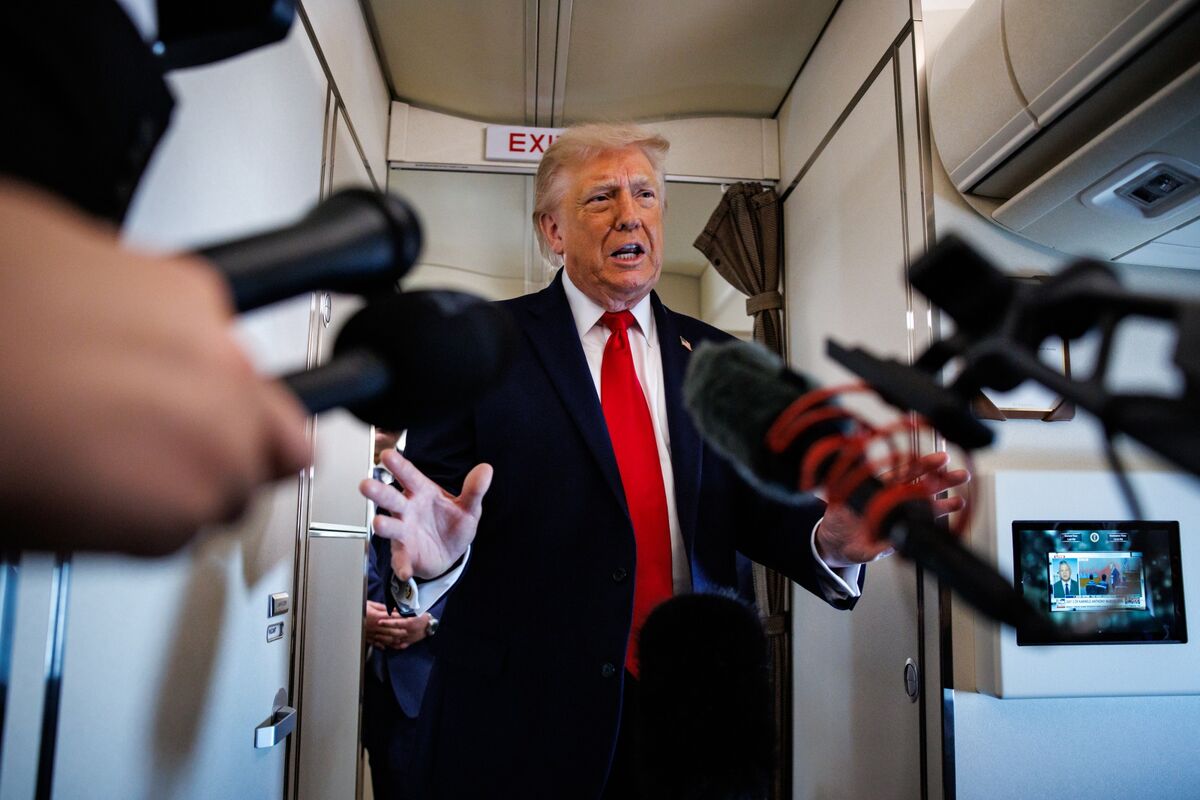
President Trump said the US must respond after Iran reportedly shot down a US Apache helicopter patrolling over the Strait of Hormuz. Two pilots were safe and uninjured, but the incident raises the risk of direct US-Iran escalation in a critical energy chokepoint. The event is likely to pressure risk assets and could add volatility to oil and defense-related markets.
This is a classic volatility shock with an asymmetric path dependency: the first move is not about the helicopter itself, but about whether markets infer a contained signaling event or the opening act of a broader campaign. The immediate winners are platforms that monetize fear and mobilization—missile defense, ISR, EW, and maritime security contractors—because procurement decisions can accelerate within days even if kinetic escalation fades. The bigger second-order beneficiary is the Gulf logistics ecosystem outside the strike zone: shipping insurance, rerouting, and security premiums can reprice faster than crude if risk perception stays elevated for even 1-2 sessions.
Energy is the cleaner macro transmission, but the market may underprice how quickly a near-miss in the Strait can tighten prompt physical balances without a single barrel being lost. The risk premium can widen before fundamentals do, especially if vessels start self-selecting away from the corridor; that tends to support front-month contracts more than the curve and can steepen backwardation. If there is a measured response, the trade becomes about duration of disruption, not headline intensity—short-lived retaliation would likely fade after 3-5 trading days, while any damage to shipping infrastructure or proxy escalation could keep the premium alive for weeks.
The underappreciated downside tail is a policy misread: if Iran believes escalation is limited, it may test again through asymmetric assets rather than direct confrontation, making the event less a one-off and more a regime of persistent low-probability shocks. That matters because equity volatility sellers usually undercompensate for repeated jump risk in geopolitics; the VIX term structure can flatten quickly, but realized vol in energy and defense can stay elevated much longer. The contrarian view is that the first headline move in crude may be overdone if there is no material supply interruption, but the airlines, shippers, and insurers are more likely to see sustained downside because even transient route risk raises costs that are hard to pass through immediately.
AI-powered research, real-time alerts, and portfolio analytics for institutional investors.
Request DemoOverall Sentiment
strongly negative
Sentiment Score
-0.72
