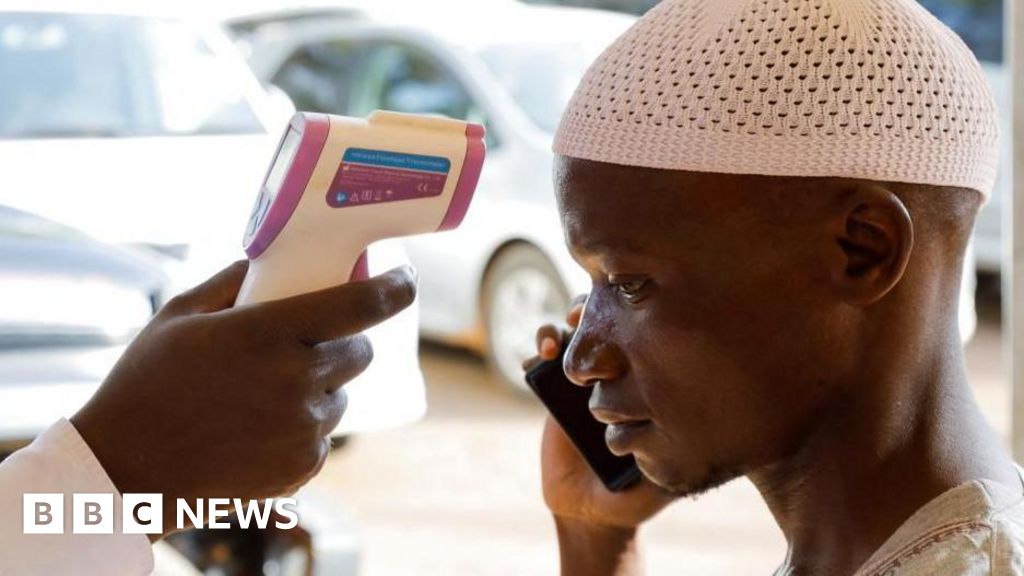
DR Congo’s Ebola outbreak has led to 220 suspected deaths, with only 17 lab-confirmed and about 1,000 people currently showing symptoms consistent with Ebola. WHO says conflict in Ituri province is severely hampering containment efforts, with 3,600 contacts to trace, 2,000 tests distributed and 4,000 more pending. The crisis is being compounded by poor roads, mass displacement, attacks on health facilities and new travel restrictions from Canada, the Bahamas and the US.
The market read-through is not first-order Ebola fear; it is a deterioration in the operating environment for any business model that depends on physical presence, cross-border logistics, or fragile public infrastructure. In conflict-zone outbreaks, the binding constraint is usually not clinical capability but access density: every checkpoint, road closure, and displacement event lengthens the containment half-life and raises the odds that the response becomes a rolling, multi-province problem rather than a localized event. That shifts the risk premium from a short-lived health scare into a months-long operational drag on regional mobility, aid delivery, and government credibility. The second-order winner set is narrow. Airlines, border-adjacent transport, and any EM consumer exposure to Central/East Africa face a hit to bookings, cargo reliability, and working-capital cycles as travel restrictions spill over into precautionary demand destruction. Conversely, firms with temperature-controlled logistics, diagnostic supply chains, or field-deployable public-health infrastructure can see temporary order acceleration, but only if they already have in-country distribution. The bigger beneficiary is often not biotech but “picks-and-shovels” emergency logistics and security contractors, because procurement urgency rises faster than clinical spending. The key tail risk is duration: if case confirmation continues to lag contacts by weeks, then the outbreak response can fail even without a large absolute case count, forcing more aggressive border measures from neighboring states and developed markets. Over 2-6 weeks, the base case is continued headline volatility and periodic travel-rule tightening; over 2-3 months, the risk is secondary economic disruption in eastern DR Congo and adjacent trade corridors, with spillovers into aid-funded supply chains and local banking/payment rails. What reverses the trend is not just more funding, but a durable humanitarian corridor and enough test/trace capacity to compress the gap between symptom onset and isolation.
AI-powered research, real-time alerts, and portfolio analytics for institutional investors.
Request DemoOverall Sentiment
strongly negative
Sentiment Score
-0.82
