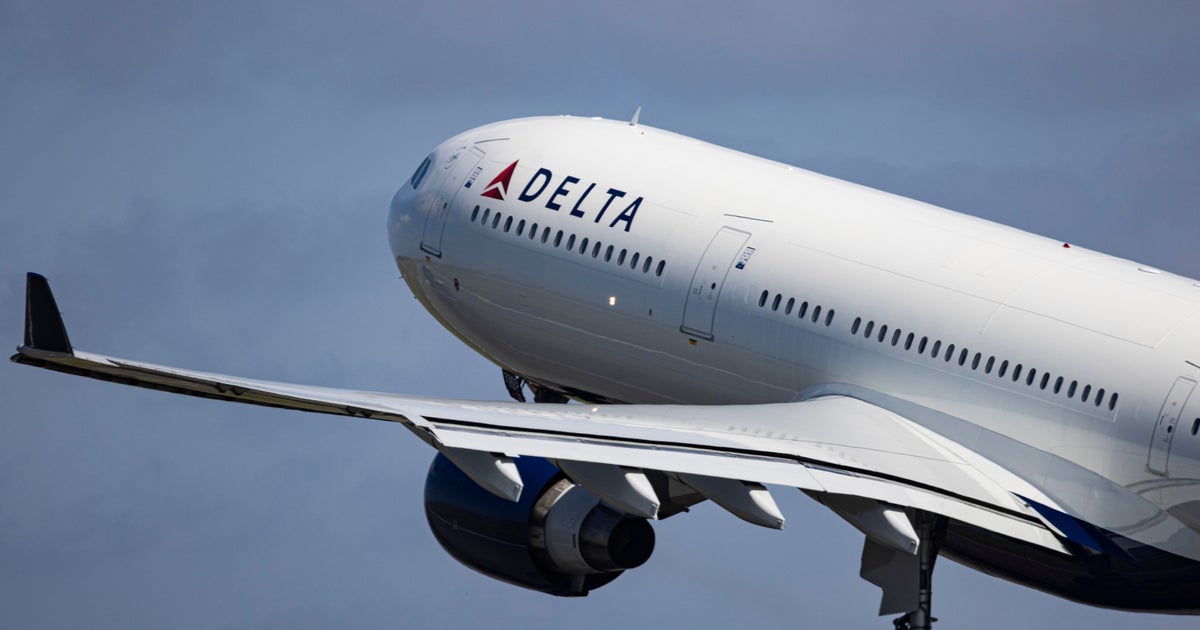
Delta Air Lines expects a $300 million boost this quarter from its Pennsylvania refinery as jet fuel prices surge globally, with rivals facing increases as high as 105%. The refinery is giving Delta a cost advantage while airlines industrywide raise fares by 10% to 20% and cut capacity, including United trimming 5% of flights. The article is constructive for Delta but negative for the broader airline and consumer travel backdrop.
Delta’s refinery ownership is less about headline fuel savings and more about optionality: it turns a volatile input into a partial hedge exactly when the industry’s pricing power is weakest. The second-order effect is that DAL can preserve schedule integrity and keep margin on marginal routes longer than peers, which may force competitors into more aggressive capacity cuts or deeper fare discounting later in the quarter. That creates a near-term earnings dispersion setup where unit revenue can look similar across carriers, but cost structure drives a much wider spread in EBITDA conversion.
The market is likely underestimating how quickly this can cascade into network decisions. If fuel stays elevated for another 1-2 reporting cycles, smaller or more leveraged carriers will be pushed into trim-capacity mode, which tends to support fare discipline industrywide but also raises the probability of demand destruction in discretionary leisure and short-haul travel. The beneficiaries are less obvious than DAL itself: airport operators, premium cabin exposure, and ancillary revenue monetizers should hold up better than low-cost carriers reliant on price-sensitive traffic.
The key risk to the thesis is timing: refinery economics and hedge benefits are quarter-specific, while investor enthusiasm can fade once the market realizes this is a temporary spread advantage rather than a structural step-up in long-run profitability. If crude or jet fuel retraces, DAL’s relative outperformance narrows quickly, but if fuel stays tight into the next summer booking season, the competitive damage to weaker carriers compounds. The contrarian read is that the move may be overdone for DAL outright, because the market may already be discounting a good quarter while ignoring the probability of softer demand or higher maintenance/refining costs later in the year.
AI-powered research, real-time alerts, and portfolio analytics for institutional investors.
Request TrialOverall Sentiment
moderately positive
Sentiment Score
0.35
Ticker Sentiment
