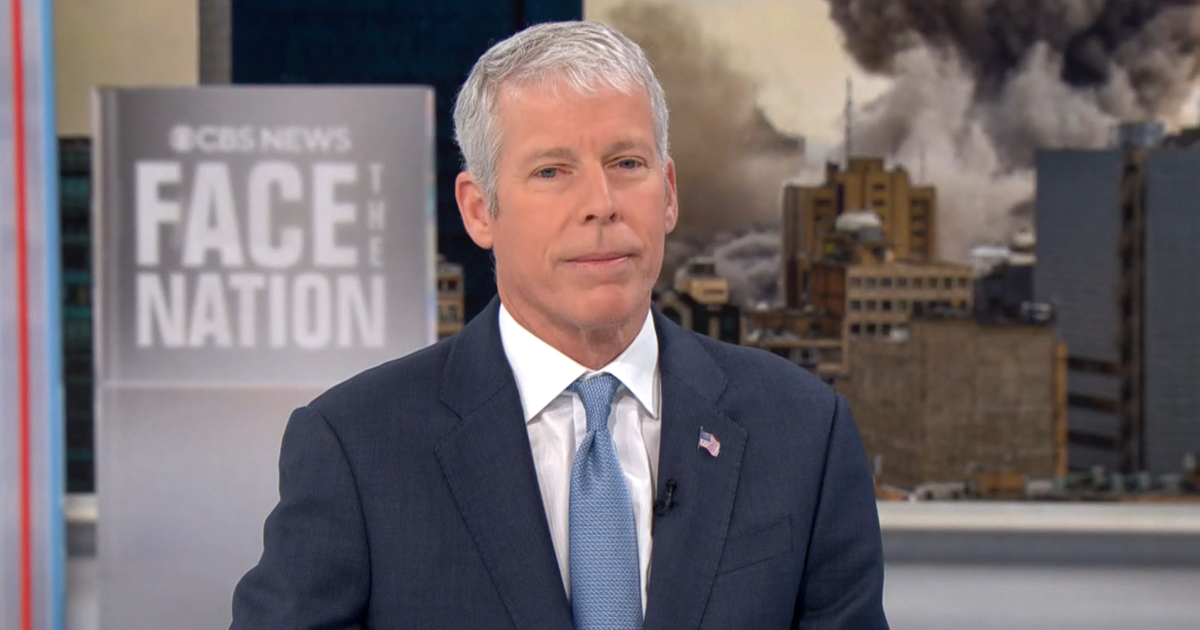
The article highlights an ongoing U.S.-Iran-Israel conflict that has spread across the Persian Gulf, Lebanon, and Gaza, keeping the Strait of Hormuz and energy prices at risk. Netanyahu said the war is not over, wants Iran's nuclear material and enrichment sites removed, and rejected a ceasefire that would allow Hezbollah to remain active. He also said Israel wants to draw down U.S. military financial support from $3.8 billion annually to zero over the next decade, underscoring a potentially major shift in defense and alliance funding.
The market implication is not just “Middle East risk stays elevated,” but that the floor under energy volatility has moved higher for longer. Even if direct Iran-Israel hostilities cool, the conflict is now multi-theater and increasingly decoupled from a clean ceasefire path, which keeps a persistent tail risk premium in crude, tanker rates, and regional defense demand. The biggest second-order effect is on Asia: China’s exposure to Hormuz creates an incentive to press for de-escalation, but any diplomatic progress likely comes in the form of narrower shipping assurances rather than a durable regional settlement, so commodity sensitivity remains asymmetric to the upside.
The more interesting medium-term signal is Israel’s implied pivot toward strategic self-funding and deeper regional normalization. If U.S. military support is actually phased down over a decade, the beneficiaries are likely to be Israeli domestic defense, cyber, and dual-use technology suppliers rather than broad index exposure. That shift also creates a procurement pull-forward: Israel will likely prioritize systems with immediate battlefield utility and sovereign control, favoring local munitions, ISR, and missile-defense stacks while pressuring lower-priority foreign vendors.
The consensus is probably overestimating how quickly reputational damage translates into policy change in Washington, but underestimating how quickly it changes capital allocation in the Gulf. Gulf states that fear Iranian retaliation are incentivized to buy security through closer alignment with Israel and the U.S., which could accelerate spend on air defense, surveillance, and critical infrastructure hardening over the next 6-18 months. The counter-risk is that a single successful proxy strike on shipping or energy infrastructure could reset the whole risk regime in days, not months, and reprice oil and defense equities abruptly.
For the article ticker, NYT is less a direct geopolitical hedge than a sentiment proxy for media scrutiny and political narrative risk; the headline stream remains a useful volatility catalyst for Israel-adjacent assets and energy. The cleaner trade is to own businesses that benefit from elevated regional security budgets and persistent energy disruption risk, while fading any assumption that diplomatic headlines will normalize the complex quickly.
AI-powered research, real-time alerts, and portfolio analytics for institutional investors.
Request DemoOverall Sentiment
mildly negative
Sentiment Score
-0.15
Ticker Sentiment
