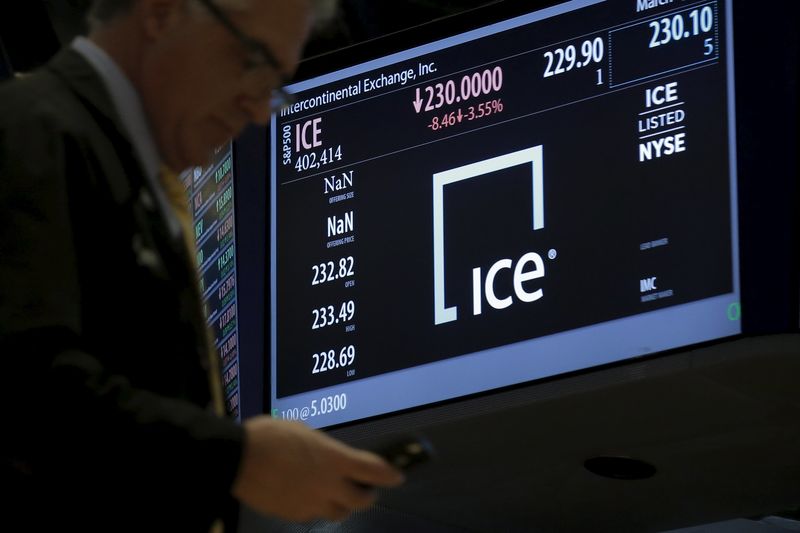
ICE will expand European gas and power trading hours to 21 hours a day next week, more than doubling the current 10-hour window and aligning Europe with U.S. and Asian markets. The change comes as European gas prices remain nearly 40% above pre-conflict levels, with traders focused on Middle East geopolitical risk and the potential for overnight price gaps and thinner intraday liquidity. The longer session should improve cross-market hedging, but it may also spread liquidity more thinly and increase volatility during low-volume periods.
This is less a simple venue-hours change than a structural re-pricing of European gas from a regional utility input into a 24-hour global risk asset. The key second-order effect is that ICE is effectively reducing the latency premium for overnight geopolitical shocks, which should compress opening gaps but increase intraday “information velocity” and make event-driven flows harder to fade. That tends to favor firms with systematic execution, around-the-clock risk, and cross-commodity hedging capabilities, while penalizing discretionary desks that rely on the old daytime liquidity concentration.
For ICE, the immediate economics are better than the headline suggests because longer hours should deepen participation, widen fee capture, and improve benchmark centrality versus competing venues. The bigger medium-term benefit is ecosystem lock-in: once TTF becomes the first major energy market to process Asia-night/Europe-pre-open shocks, benchmark relevance compounds into derivatives liquidity, options open interest, and indexation power. The risk is that if liquidity fractures too much across the day, spreads widen in the less-active hours and the venue earns more volume but lower quality flow, which could cap incremental monetization.
The clean trade is that volatility itself should gain a structural bid. If the Middle East risk premium persists, European gas vol is likely underpriced relative to realized event frequency over the next 2-8 weeks, especially around overnight gaps and headline windows. However, if diplomatic risk de-escalates quickly, the market may discover that extended hours mostly redistribute volume rather than create it, which would leave ICE with a modest earnings tailwind but not a sustained multiple re-rate.
The contrarian view is that the market may be overestimating the long-run benefit to European liquidity and underestimating the operational drag on local market-making. In the near term, this can actually make the front of the curve more fragile during thin hours even as headline volatility falls, creating a setup where realized intraday swings become more episodic, not less. That favors selective long-vol structures over outright directional gas exposure.
AI-powered research, real-time alerts, and portfolio analytics for institutional investors.
Request DemoOverall Sentiment
neutral
Sentiment Score
-0.10
Ticker Sentiment
