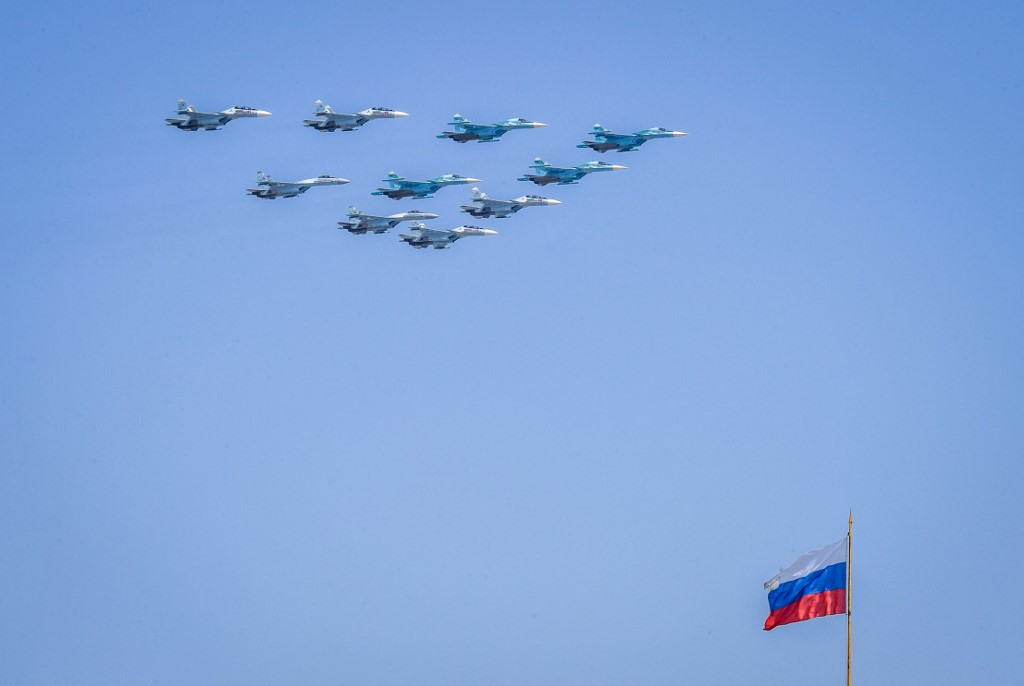
A New York Times investigation reveals Vietnam is significantly re-establishing military and political ties with Russia, including an estimated $8 billion agreement for advanced defense systems, with payments routed through third-party firms to circumvent sanctions. This strategic pivot away from the U.S. is largely driven by perceived instability in U.S. foreign policy and protectionist trade measures, leading Hanoi to reaffirm its relationship with Moscow and potentially defying global sanctions, which has significant geopolitical implications for regional stability and U.S.-Vietnam relations.
Vietnam is significantly re-establishing military and political ties with Russia, evidenced by an estimated $8 billion defense agreement for advanced systems, including 40 new fighter jets. This strategic pivot, accelerating post-Trump's return, is attributed by analysts to perceived instability in US foreign policy and protectionist trade measures. The deal represents Vietnam's most substantial defense acquisition in years.
The agreement involves clandestine financial flows and alleged circumvention of international sanctions against Russia, utilizing third-party firms and a Russian-Vietnamese oil and gas joint venture. This realignment challenges US efforts to expand arms sales to Vietnam and reflects Russia's broader geopolitical reassertion in the region.
Hanoi's decision is partly a response to US tariffs on Vietnamese goods and a view that Moscow is a more trustworthy partner, with Vietnamese officials citing adverse effects on their economy from erratic US policy. This dynamic suggests potential shifts in regional supply chains and trade relationships, impacting industries reliant on Vietnamese manufacturing.
The overall sentiment surrounding this development is strongly negative and pessimistic, with a moderately high market impact score, indicating significant concerns among analysts regarding geopolitical stability and trade implications.
AI-powered research, real-time alerts, and portfolio analytics for institutional investors.
Overall Sentiment
strongly negative
Sentiment Score
-0.70
