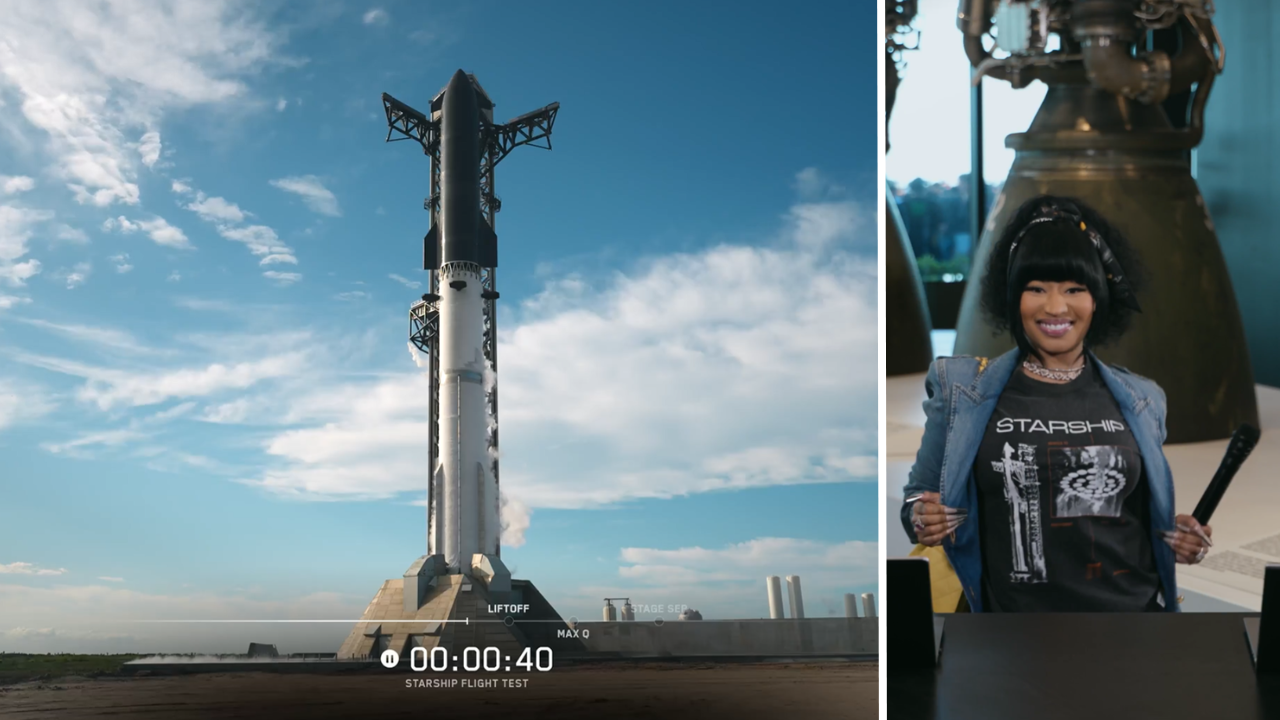
SpaceX scrubbed the first launch of its Starship V3 megarocket at the last minute on May 21 due to technical issues, including a problem with the launch pad water diverter. The next launch window is May 22 from 6:30 p.m. to 8:00 p.m. EDT, and the mission would mark Starship V3's first flight and the program's 12th test overall. The delay is a procedural setback rather than a fundamental program change, so the immediate market impact is limited.
The key market takeaway is not the scrub itself, but the increasing evidence that Starship’s transition from R&D to operational cadence is still bottlenecked by ground systems and pad reliability, not just vehicle design. That matters because the value inflection for SpaceX-adjacent themes comes when launch cadence becomes repeatable; each reset delays that proof point and raises the probability that commercialization timelines for lunar logistics, Starlink deployment efficiency, and heavy-lift defense payloads slip by quarters rather than days.
Second-order, the immediate beneficiaries are the less obvious fallback architectures: providers of smaller launch capacity, legacy launch infrastructure, and payload integrators that can monetize schedule uncertainty. When a super-heavy program misses its first fully integrated pad/vehicle attempt, customers tend to hedge by reserving parallel capacity elsewhere, which can support pricing power for constrained launch alternatives over the next 6–18 months. The competitive dynamic also favors firms with simpler operational stacks and shorter troubleshooting loops, because reliability becomes more valuable than theoretical lift capacity in procurement decisions.
The contrarian view is that a scrub on a first-of-kind system is not negative in isolation; it can actually reduce tail risk by forcing engineering issues to surface before an orbital attempt that would carry much higher reputational and regulatory cost. If the root cause is indeed pad-side and fixable, the market may be underestimating how quickly SpaceX can iterate once the ground architecture is stabilized. The important catalyst is not tomorrow’s launch attempt, but whether the next 2–3 flights show a clean pad/vehicle sequence; that would compress perceived program risk sharply.
AI-powered research, real-time alerts, and portfolio analytics for institutional investors.
Request DemoOverall Sentiment
neutral
Sentiment Score
-0.08
