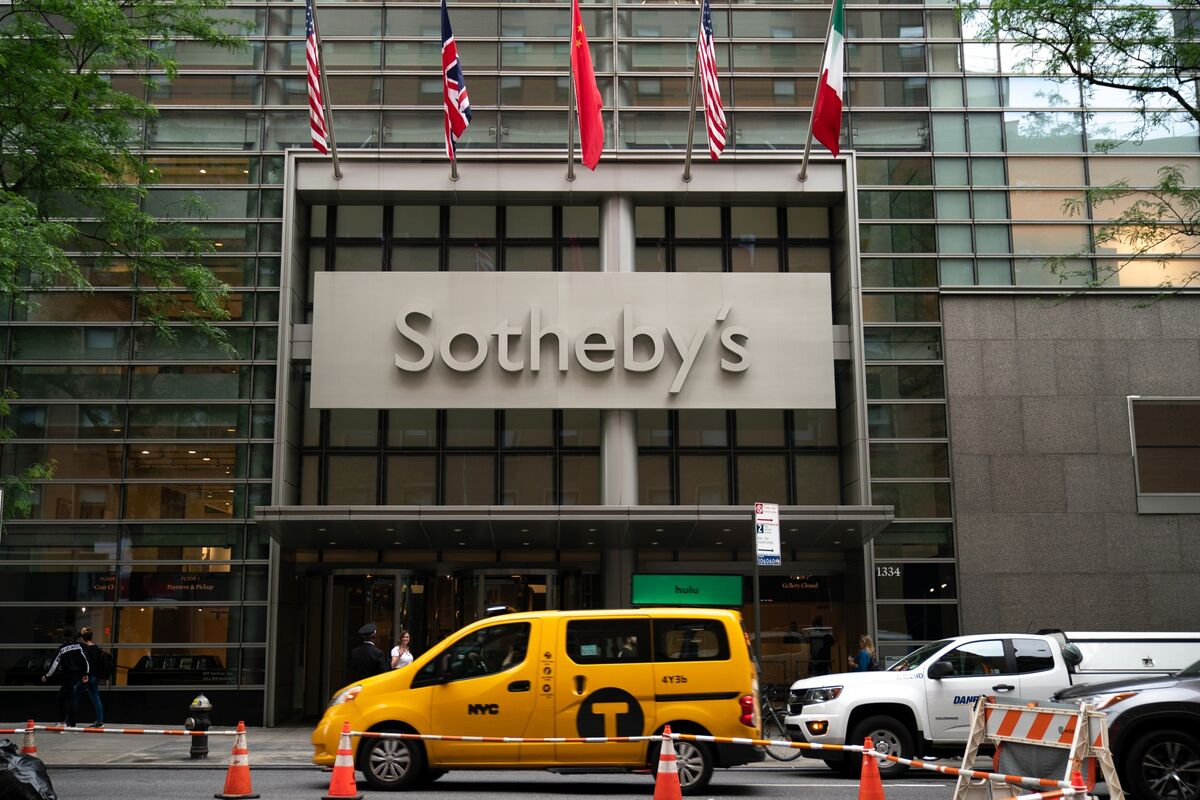
Sotheby's has sold its former headquarters on Manhattan's Upper East Side to Weill Cornell Medicine for $510 million. This transaction represents a significant real estate deal within the high-value New York commercial property market, involving a prominent institutional buyer and a substantial asset.
Sotheby's has completed the sale of its former headquarters on Manhattan's Upper East Side to Weill Cornell Medicine for $510 million. This transaction represents a significant single-asset deal in the New York City commercial real estate market, providing a key valuation benchmark for large, prime properties in a high-demand area. The sale involves a private entity divesting a long-held asset—occupied since 1980—to a major institutional buyer, highlighting the continued role of educational and medical institutions as significant players in the urban real estate landscape. For Sotheby's, this divestiture marks a successful monetization of a non-core asset, unlocking substantial capital as part of a restructuring of its physical footprint. While the direct market impact is limited as no publicly traded entities are involved, the transaction provides a valuable data point on the health and pricing of the premium segment of the NYC commercial property market, suggesting robust demand for well-located, large-scale assets from well-capitalized institutional buyers.
AI-powered research, real-time alerts, and portfolio analytics for institutional investors.
Request DemoOverall Sentiment
neutral
Sentiment Score
0.00
