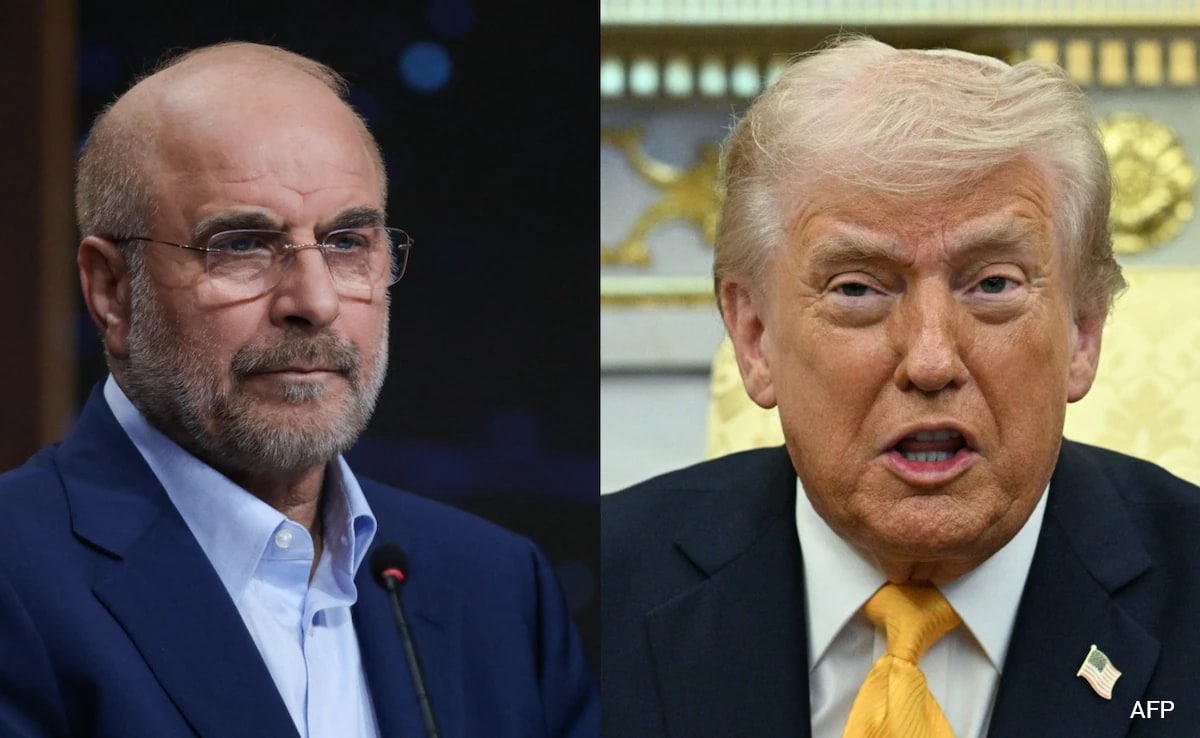
Iran warned it may close the Strait of Hormuz if the US naval blockade continues, raising the risk of disruption to a chokepoint that carries about 20% of global oil supply. While Iran said the strait is currently open for commercial vessels, the threat of renewed restrictions could lift crude prices and worsen shipping risk premiums. The article also highlights a separate US-Iran dispute over enriched uranium, keeping geopolitical tensions elevated.
The market is still underpricing the difference between a headline threat and a credible partial interdiction. Even without a full closure, any Iranian-imposed “authorization” regime raises insurance, rerouting, and vetting friction fast enough to create a de facto tax on cargo flow; that is the channel most likely to move crude and product spreads in the next 1-3 sessions, before any true volume loss is visible. The first-order winner is not just energy producers but anyone with optionality on dislocation: tanker rates, energy volatility, and Gulf-reliant shipping/industrial chains are the cleanest expressions.
The second-order loser is the global refining complex, especially Asia-heavy and Europe-exposed names that depend on uninterrupted Middle East feedstock and marine diesel arbitrage. If vessels hesitate even at low absolute closure rates, the bottleneck shifts from barrels to logistics confidence, which can widen prompt Brent timespreads faster than outright flat price. That makes long-duration inflation prints and front-end rate expectations vulnerable if the disruption persists beyond a week, because the market will price a higher oil pass-through even if the Strait remains technically open.
Contrarian angle: the loudest threat may be a negotiating lever rather than an operational intent to sustain closure, and markets often overpay for the first 24-72 hours of geopolitical messaging. The more relevant tell is whether regional shipping, insurance, and port clearance data normalize; if they do, the premium can collapse quickly. But if the rhetoric is paired with even one interdiction incident, the trade shifts from headline risk to real supply risk, and the repricing becomes much stickier over a 1-3 month window.
AI-powered research, real-time alerts, and portfolio analytics for institutional investors.
Request TrialOverall Sentiment
strongly negative
Sentiment Score
-0.70
